
Auto repair in Cambridge for drivers who want clear answers
If you’re dealing with recurring issues—especially brake concerns—or you just want a mechanic who explains what’s needed and what can wait, we focus on straightforward guidance and reliable work for your vehicle.
- Honest, straightforward guidance
- Fair, market-rate pricing
- Brake repair experience
- priced
- orville
- brakes
What Locals of Cambridge - Greenway-Chaplin say about Veterans Way Automotive
Veterans Way Automotive is seen as a Cambridge shop where people feel taken care of and leave more confident in their vehicle’s safety. Many come in after frustrating repair experiences elsewhere and want to understand what’s actually necessary versus what can reasonably wait. The approach here is to talk to people plainly, avoid pushing unnecessary work, and focus on completing the repair in a way that feels reliable and problem-focused.
Services We Provide
Quality work, honest pricing, and repairs done right the first time.
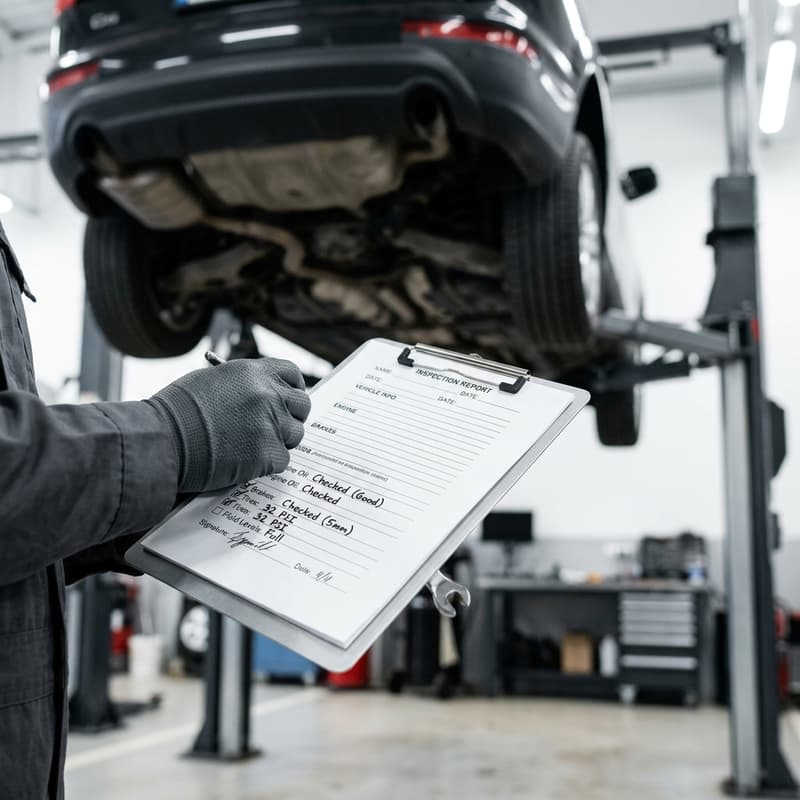
Auto Service & Repair
General auto service and repair starts with the concern, the vehicle’s condition, and its maintenance history. The work may range from routine upkeep to diagnosis and repair of related mechanical or electrical systems.
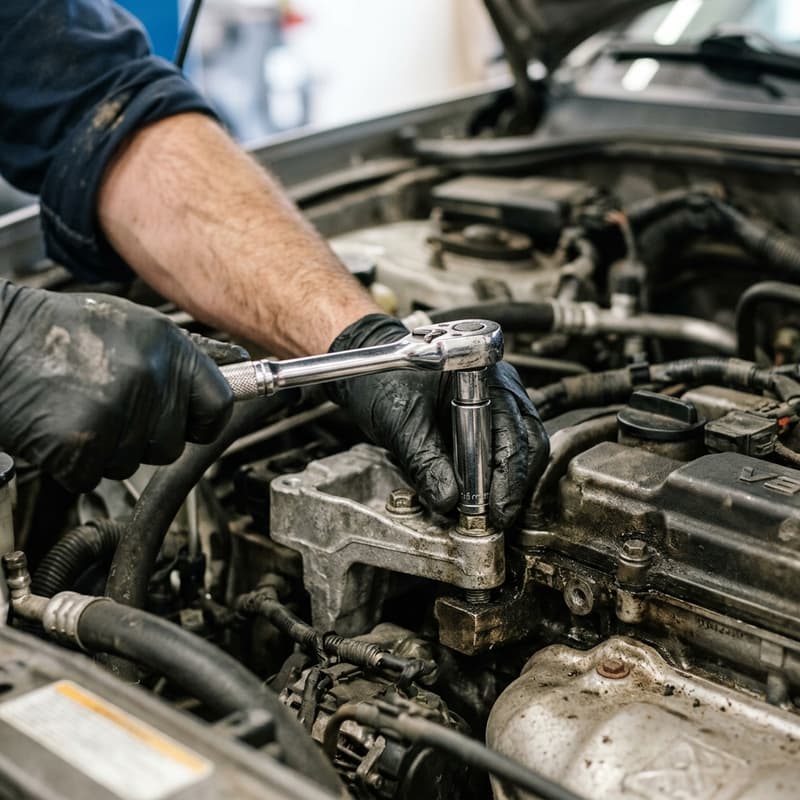
Car Repair
Car repair addresses a specific mechanical, electrical, safety, or drivability concern after the cause has been assessed. The appropriate repair depends on evidence from inspection and testing, not the symptom alone.
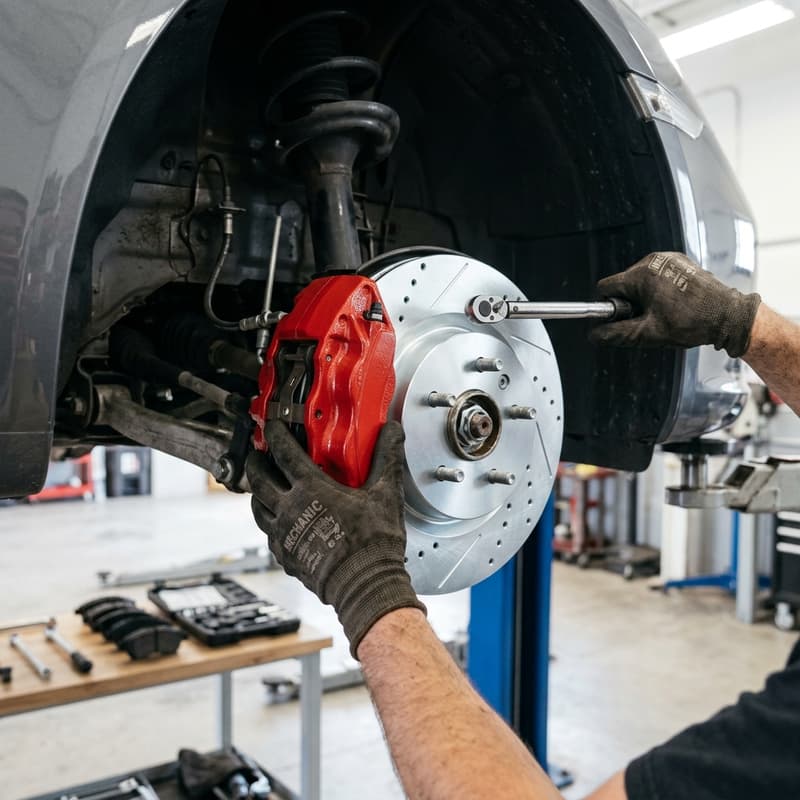
Brake Repair
Brake repair begins with an inspection of the parts that create, transfer, and control braking force. The findings determine whether adjustment, maintenance, or component repair is appropriate.
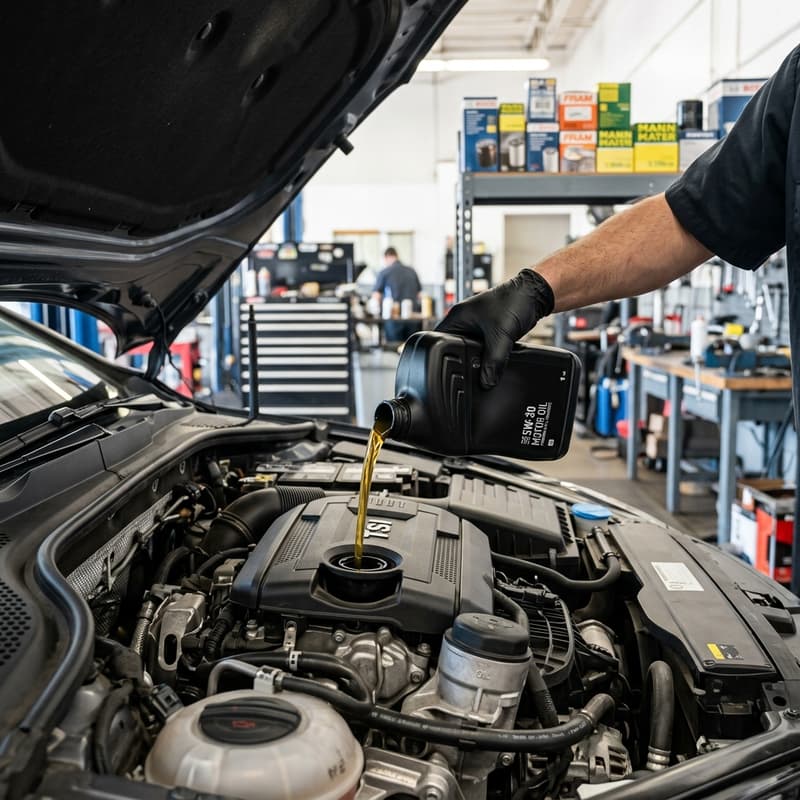
Oil Change
An oil change replaces used engine oil and the filter with products selected for the vehicle. The visit can also provide a limited opportunity to check fluid leaks, the drain area, and items included in the chosen service.
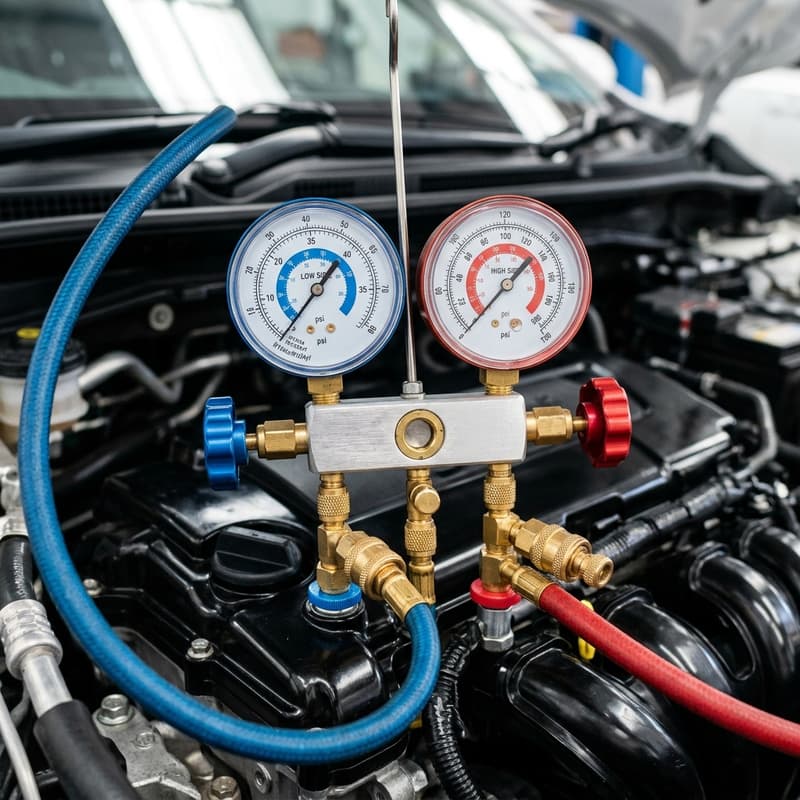
AC & Heat Repair
Heating and air-conditioning repair starts by separating airflow, temperature-control, refrigerant, cooling-system, and electrical concerns. Testing determines which system is responsible before repair is recommended.
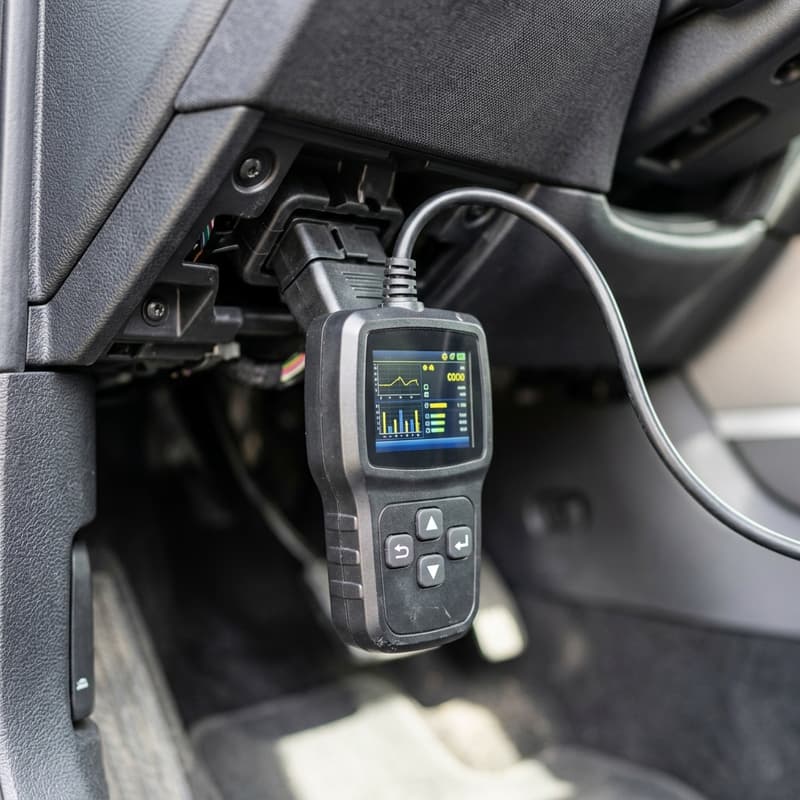
Engine Diagnostics
Engine diagnostics combines the driver’s observations, scan data, operating tests, and targeted checks to identify the cause of a warning light or performance concern.
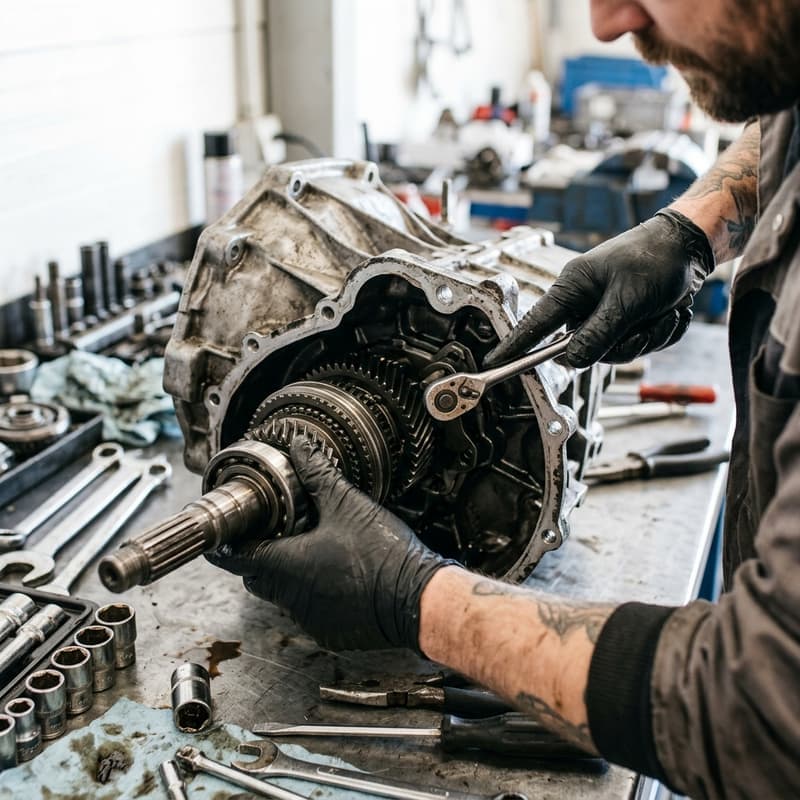
Transmission Repair
Transmission repair addresses shifting, engagement, leakage, control, or internal mechanical concerns after the transmission and related systems have been tested. The repair can range from an external correction to internal work or replacement.
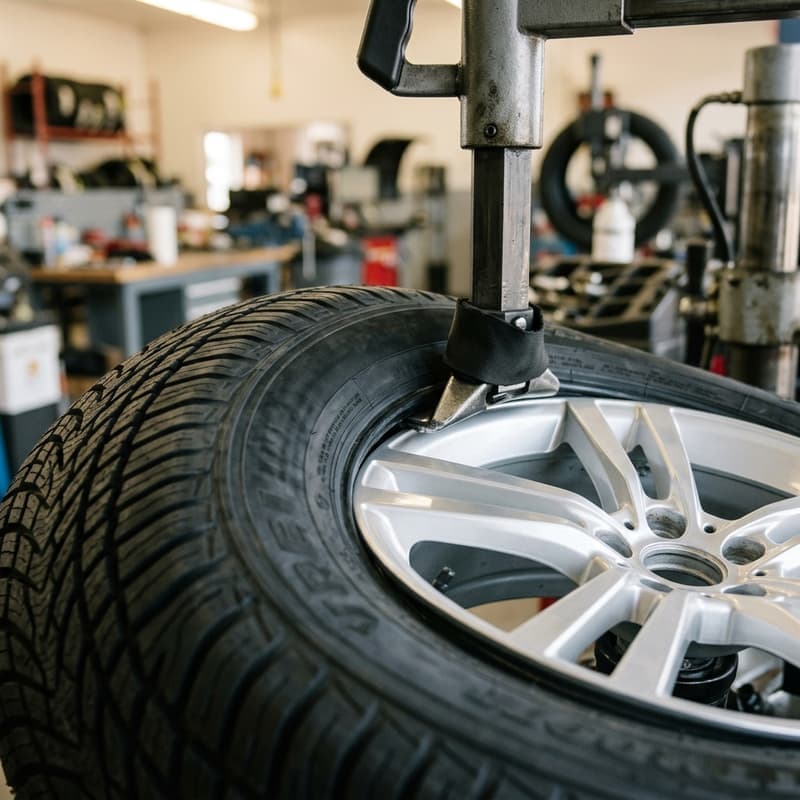
Tire Services
Tire services cover inspection, pressure correction, rotation, balancing, puncture assessment, seasonal changeover, and tire replacement as appropriate. Tire condition, wheel condition, and vehicle requirements determine the work.
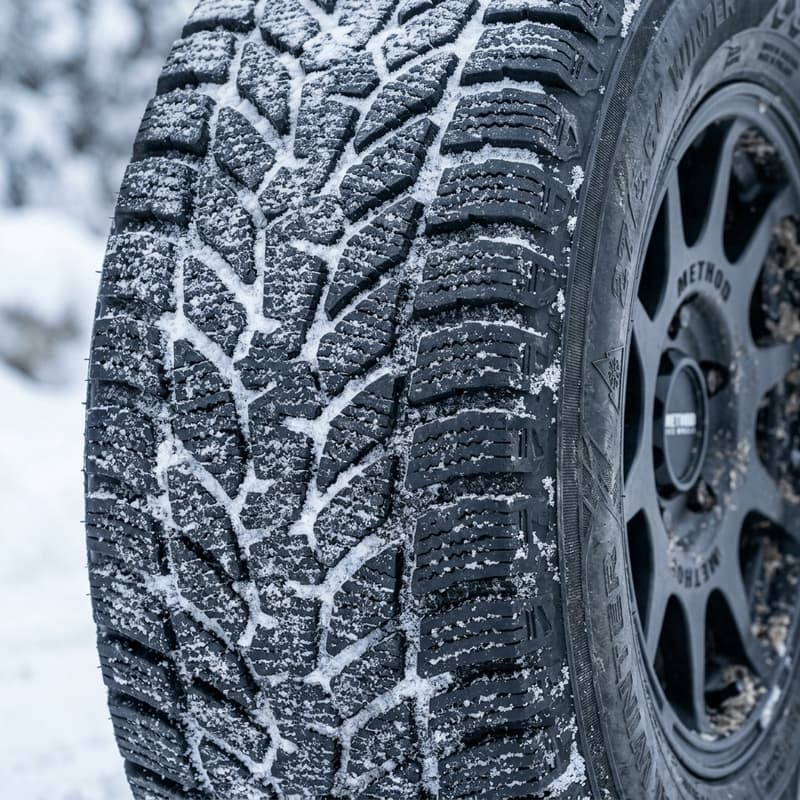
Winter Tire Installation
Winter tire installation prepares a compatible set of seasonal tires and wheels for cold-weather use. Inspection, fitment, pressure, balance, and proper wheel fastening are part of a careful changeover.
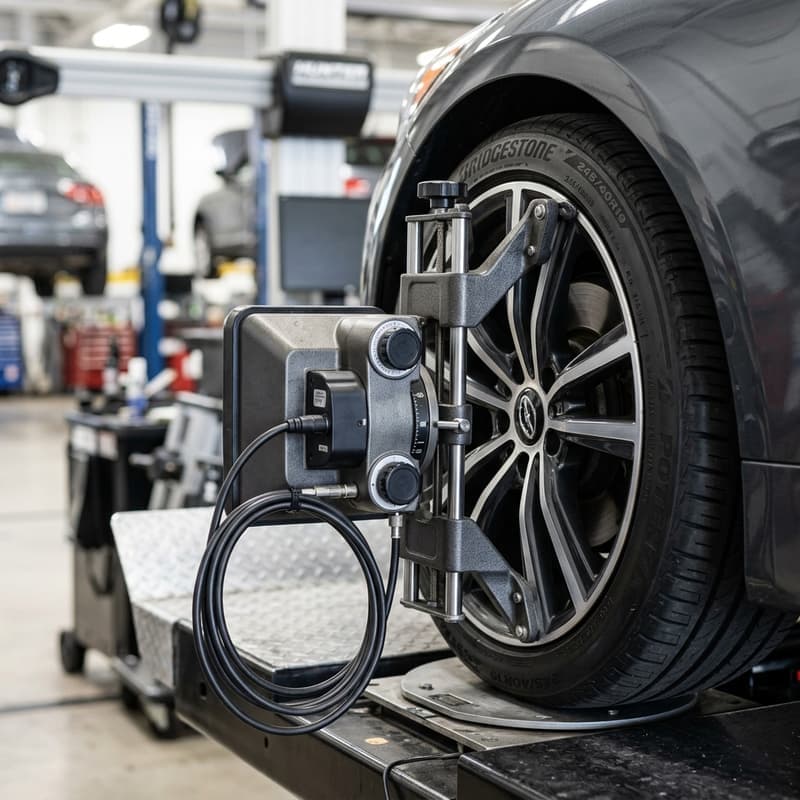
Wheel Alignment
Wheel alignment measures and adjusts applicable suspension angles so the wheels track according to vehicle specifications. Tire condition, ride height, steering position, and worn or damaged parts must be considered first.
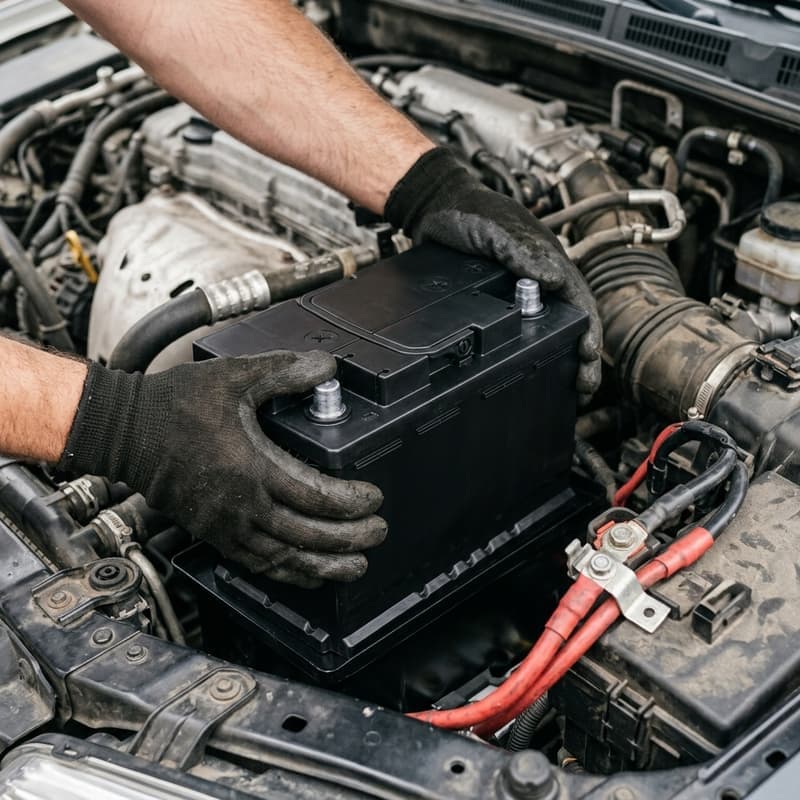
Battery Replacement
Battery replacement involves confirming battery condition and starting or charging-system behaviour before installing a compatible unit. Some vehicles also require battery registration, adaptation, or preserved electronic settings.
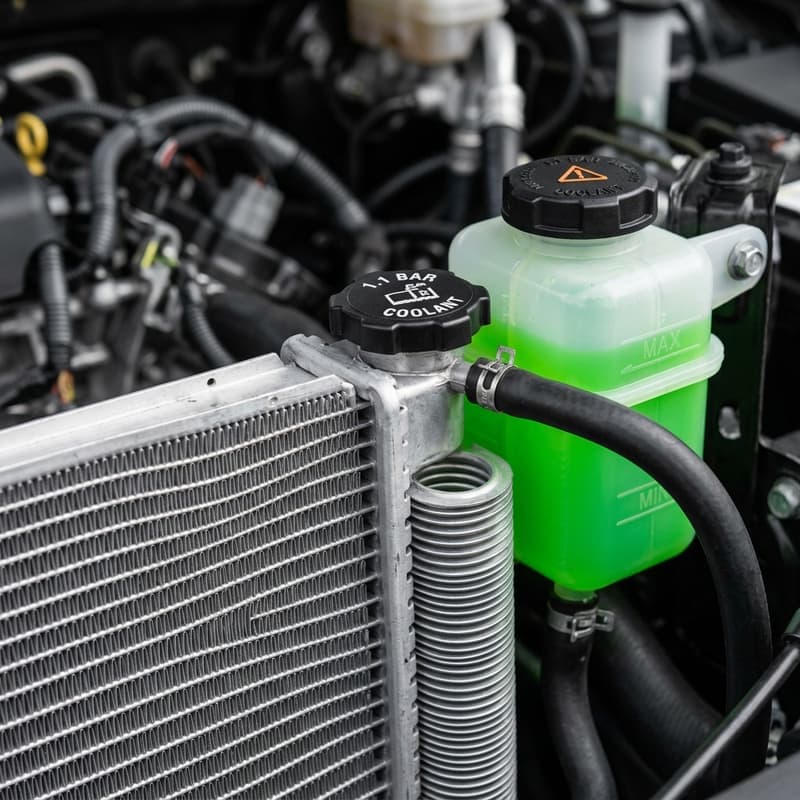
Radiator Repair
Radiator and cooling-system repair addresses coolant loss, restricted heat transfer, pressure problems, airflow faults, or damaged components. The source of overheating or leakage should be confirmed before parts are replaced.
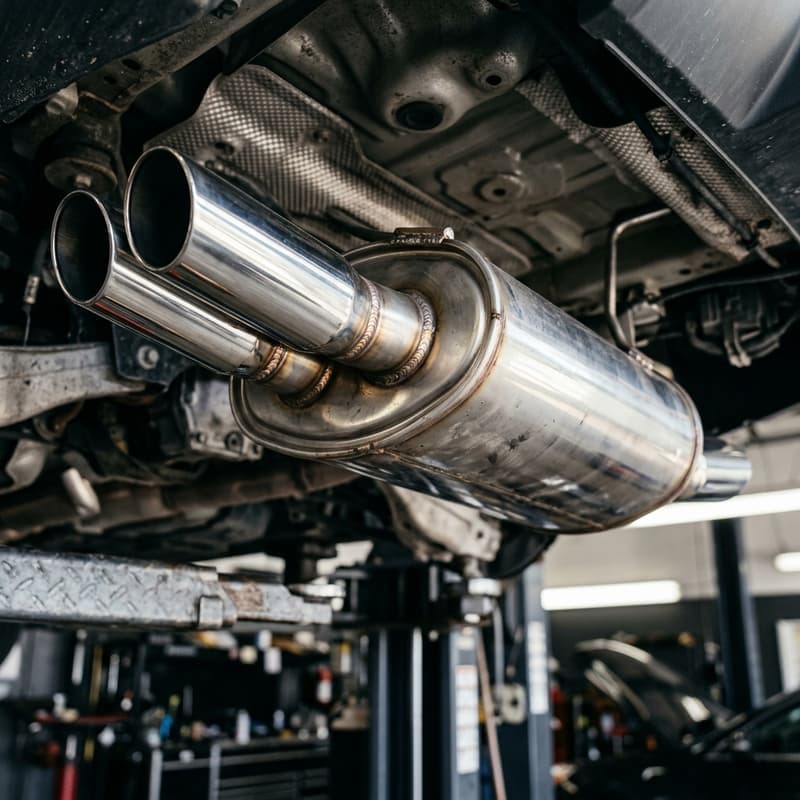
Exhaust Repair
Exhaust repair addresses leakage, noise, damaged supports, emissions-control faults, and restricted flow after the affected section is identified. The system includes more than the visible tailpipe.
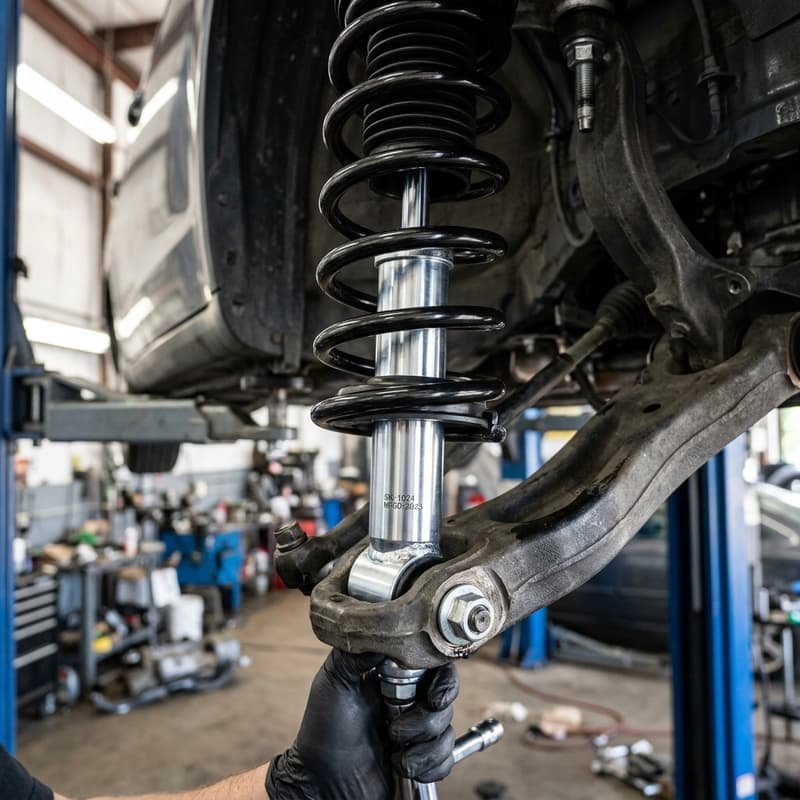
Suspension Repair
Suspension repair addresses worn, loose, leaking, bent, or damaged components that affect ride, tire contact, steering response, and vehicle stability. Inspection identifies which parts and related alignment work are appropriate.
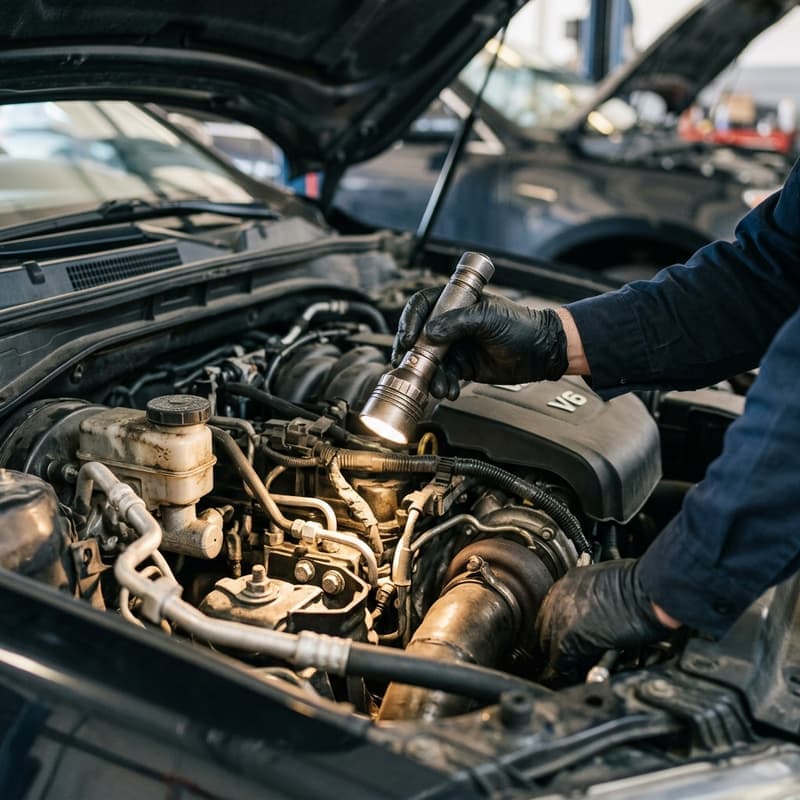
Auto Inspection
An auto inspection documents the condition of the systems included in the requested inspection. It may support maintenance planning, a purchase decision, a regulatory requirement, or diagnosis, but the exact checklist depends on the inspection type.
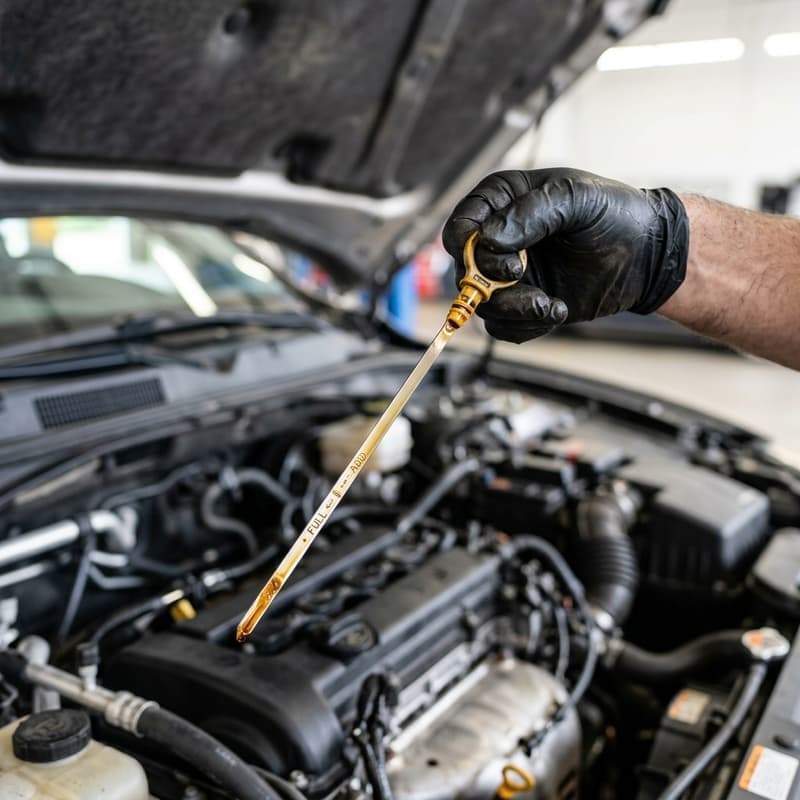
Preventive Maintenance
Preventive maintenance uses vehicle guidance, service history, operating conditions, and current condition to plan upkeep before avoidable wear or fluid deterioration creates a larger concern.
Looking for a service not listed?
Tell us what you need, and we'll let you know how we can help.
Request an Appointment
Why Drivers of Cambridge - Greenway-Chaplin Choose Veterans Way Automotive
Priority-based recommendations
We explain what needs attention now and what can wait, so you can make decisions based on urgency instead of pressure.
Fair pricing approach
Pricing is consistently described as reasonable and in line with market rates.
Works with a range of vehicles
Our shop is used for multiple vehicles, including models like Jaguar, Range Rover, and Volvo.
Signals are derived from aggregated public customer feedback trends.
The team at Veterans Way Automotive is known for honest communication, not pushing unnecessary repairs, and delivering work that helps people feel their vehicle is safe when they leave—especially when coming in with brake-related concerns.
What Our Customers Say
“I went into this shop a.little Leary as I have had nothing but issues with my brakes ever since I went to midas I want to assure anyone who is reading this review to breath easy the these two guys are simply amazing I have to say there prices are market rate but there service and work go over and beyound I found my new shop thanks guys for at least making me feel that there is shops out here that wont steal your money or rip you off on parts see you again thank you”
Find Us in Cambridge
Opening Hours
- Monday8 AM to 5 PM
- Tuesday8 AM to 5 PM
- Wednesday8 AM to 5 PM
- Thursday8 AM to 5 PM
- Friday8 AM to 5 PM
- SaturdayClosed
- SundayClosed
Request a Quote or Ask a Question
Fill out the form below and we’ll follow up shortly.
Helpful Reads
Top 5 Symptoms of a Failing Car Fuel System in Canadian Winters
Recognize failing fuel system symptoms before you get stranded. Learn how cold weather affects fuel lines and what to watch for.
Why Your Car Starter Struggles on -20°C Mornings
Understand why cars won't start in extreme cold and what you can do about it. Learn how cold weather affects your starter and battery.
The Cost of Ignoring a Minor Oil Leak: A $5,000 Cautionary Tale
Understand why a small engine oil leak can trigger catastrophic cascade failures, turning a simple gasket replacement into an expensive $5,000 rebuild.
Are you the owner of Veterans Way Automotive? Claim this listing →
Manage this profile. Sign in to your business dashboard.