
Collision repair and paint match work for damaged vehicles in Concord
If your car was hit and you need body work you can’t see afterward—especially around panels, doors, and paint—this is built for your situation.
- Paint match focused
- Insurance process guidance
- Tow and rental coordination
- vehicle
- brand
- job
What Locals of Concord - Concord say about Car Aid Auto Collision
Car Aid Auto Collision is commonly associated with careful vehicle repair work, paint results that blend in cleanly, and handling the steps that come after an accident, including coordination with an insurance company, tow, and rental needs. The shop’s approach centers on explaining what will be repaired, walking through the process, and returning the vehicle looking properly finished—down to cleaning and detailing before pickup.
Services We Provide
Quality work, honest pricing, and repairs done right the first time.
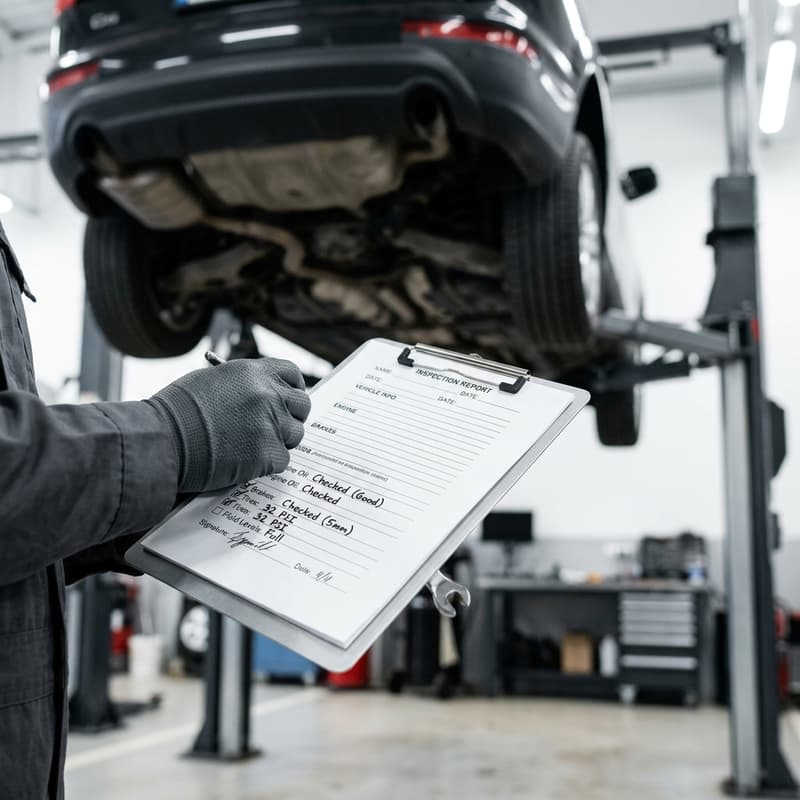
Auto Service & Repair
General auto service and repair starts with the concern, the vehicle’s condition, and its maintenance history. The work may range from routine upkeep to diagnosis and repair of related mechanical or electrical systems.
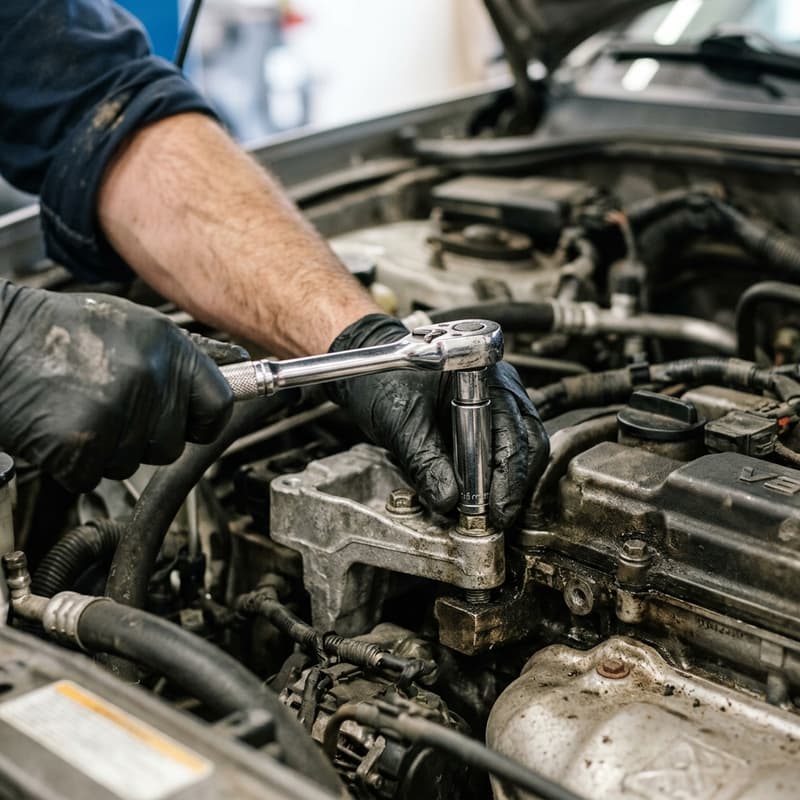
Car Repair
Car repair addresses a specific mechanical, electrical, safety, or drivability concern after the cause has been assessed. The appropriate repair depends on evidence from inspection and testing, not the symptom alone.
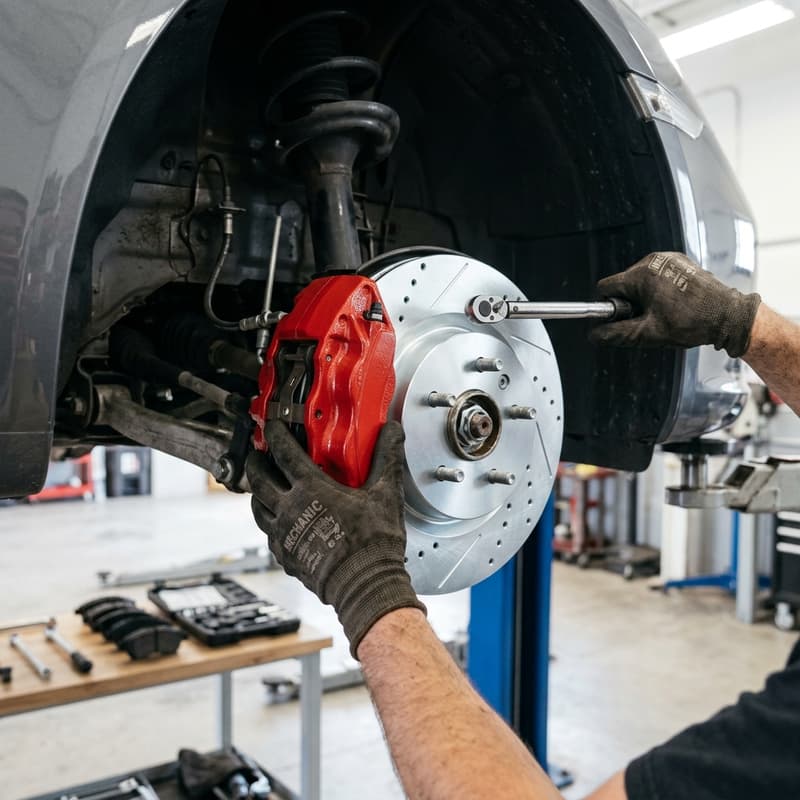
Brake Repair
Brake repair begins with an inspection of the parts that create, transfer, and control braking force. The findings determine whether adjustment, maintenance, or component repair is appropriate.
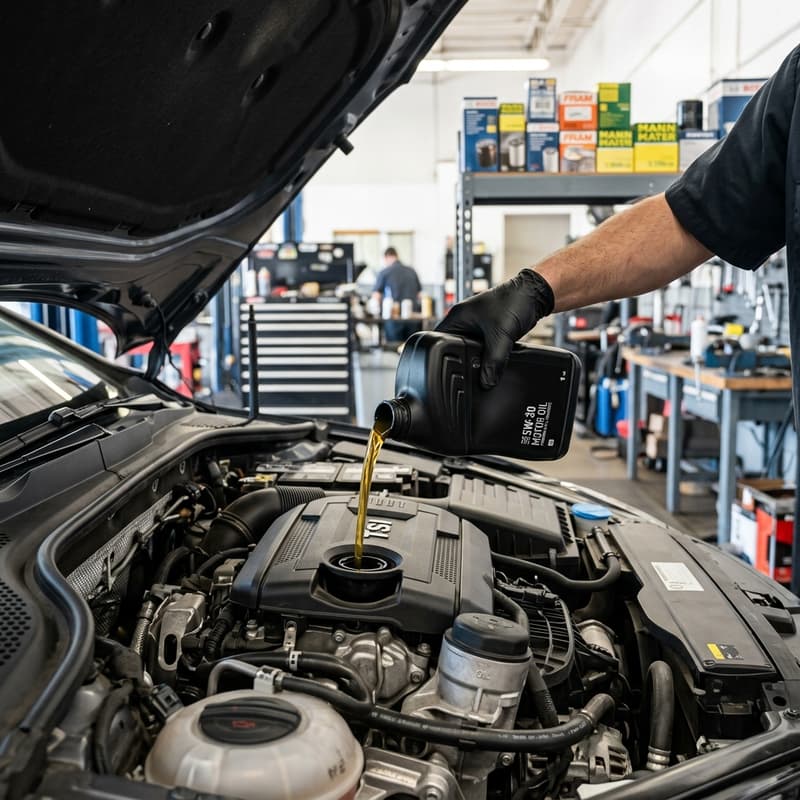
Oil Change
An oil change replaces used engine oil and the filter with products selected for the vehicle. The visit can also provide a limited opportunity to check fluid leaks, the drain area, and items included in the chosen service.
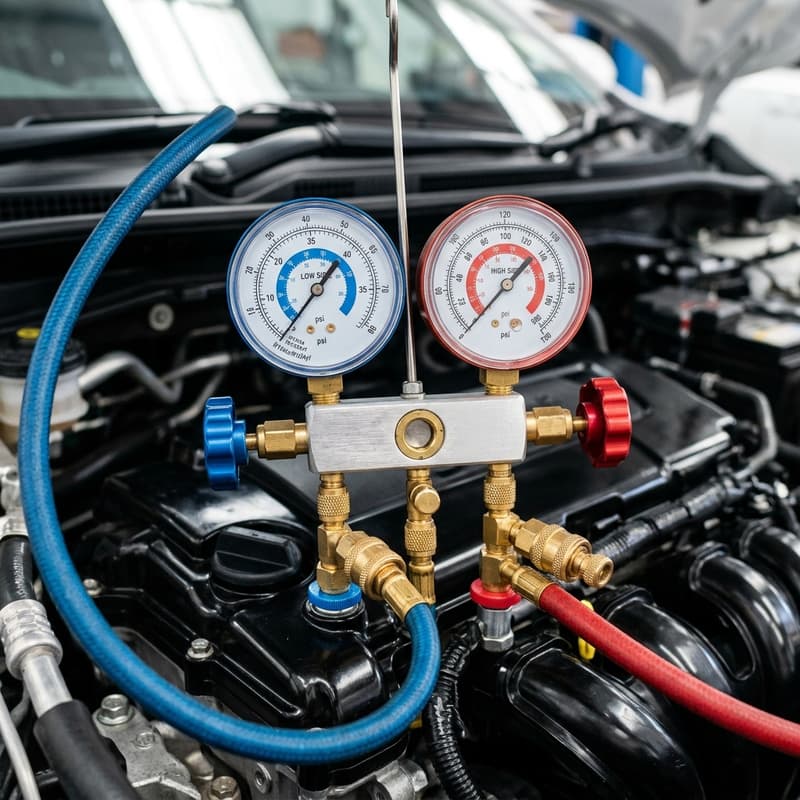
AC & Heat Repair
Heating and air-conditioning repair starts by separating airflow, temperature-control, refrigerant, cooling-system, and electrical concerns. Testing determines which system is responsible before repair is recommended.
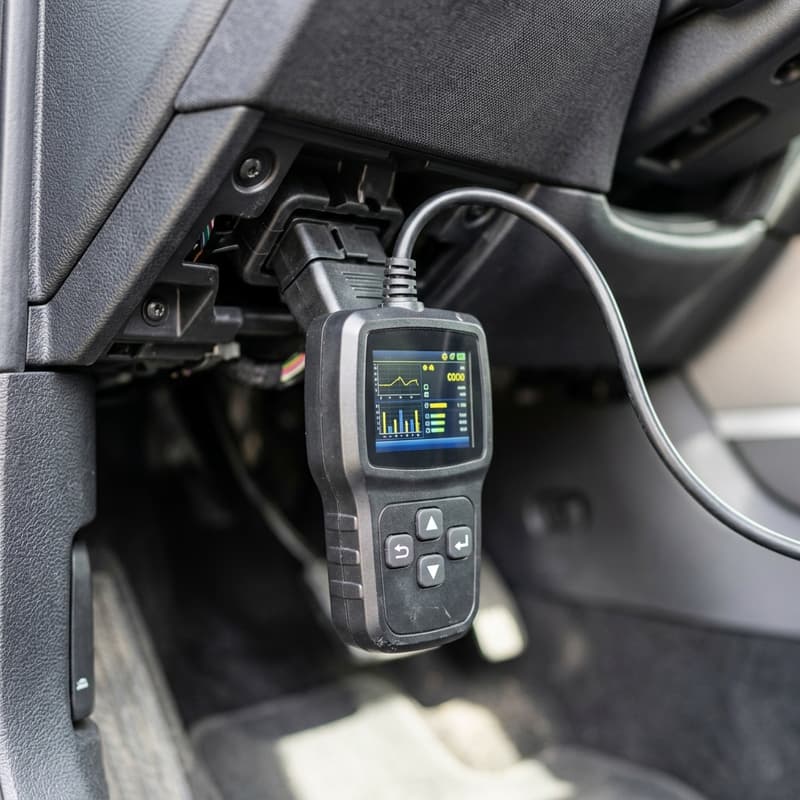
Engine Diagnostics
Engine diagnostics combines the driver’s observations, scan data, operating tests, and targeted checks to identify the cause of a warning light or performance concern.
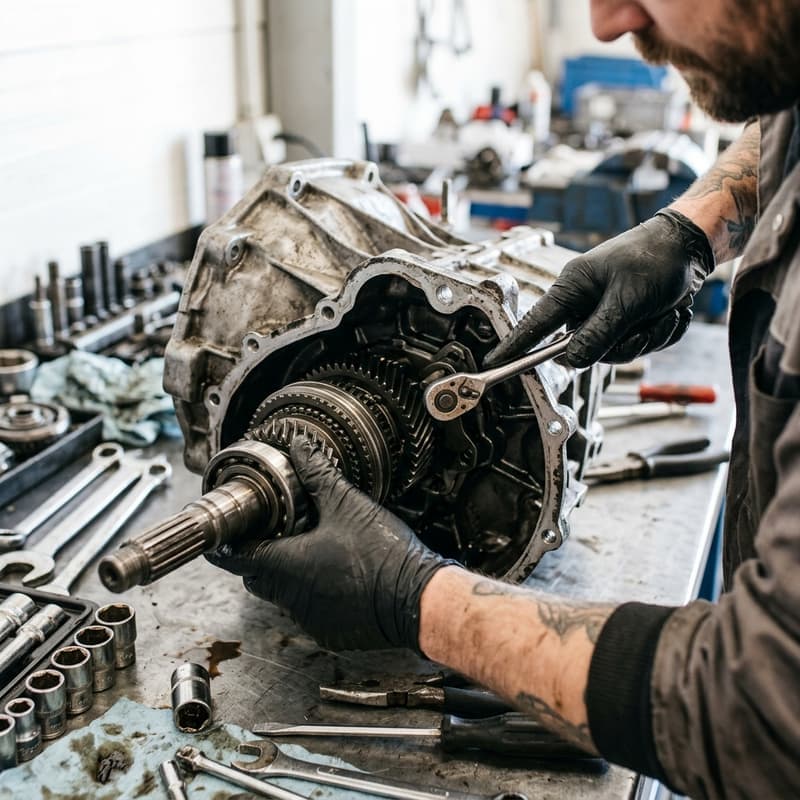
Transmission Repair
Transmission repair addresses shifting, engagement, leakage, control, or internal mechanical concerns after the transmission and related systems have been tested. The repair can range from an external correction to internal work or replacement.
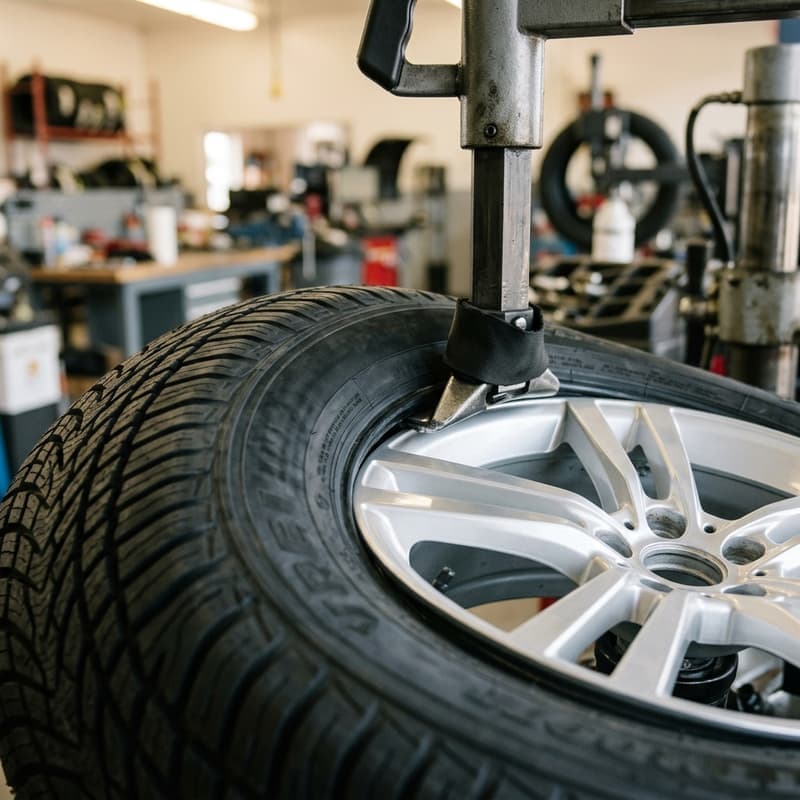
Tire Services
Tire services cover inspection, pressure correction, rotation, balancing, puncture assessment, seasonal changeover, and tire replacement as appropriate. Tire condition, wheel condition, and vehicle requirements determine the work.
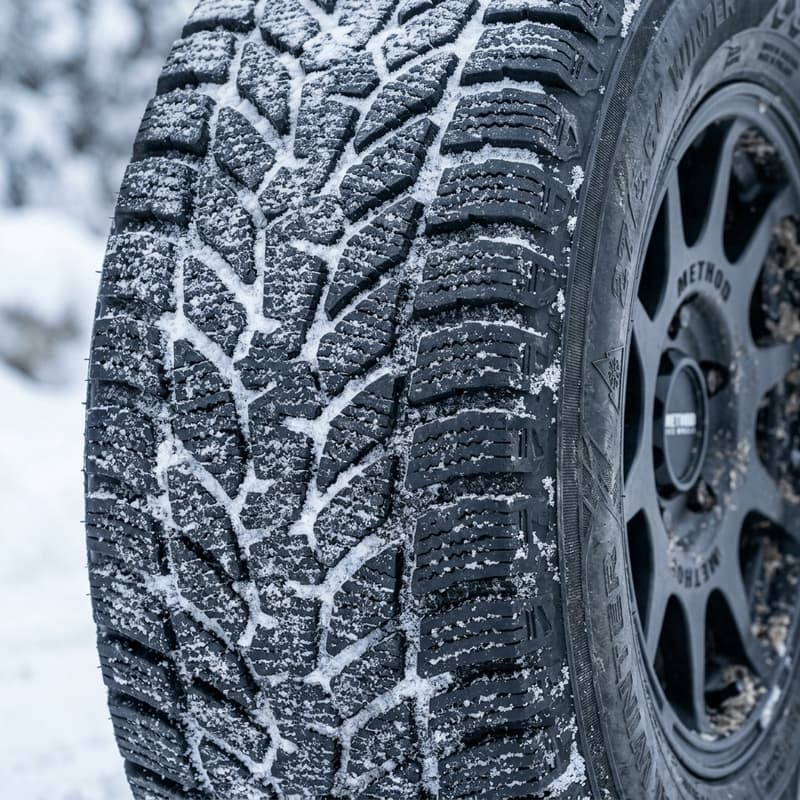
Winter Tire Installation
Winter tire installation prepares a compatible set of seasonal tires and wheels for cold-weather use. Inspection, fitment, pressure, balance, and proper wheel fastening are part of a careful changeover.
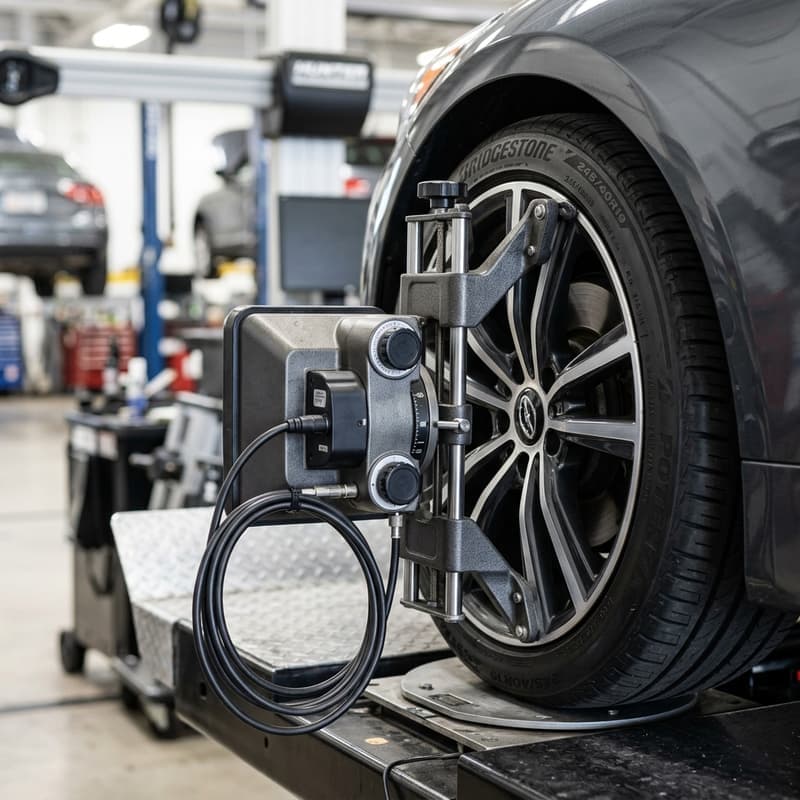
Wheel Alignment
Wheel alignment measures and adjusts applicable suspension angles so the wheels track according to vehicle specifications. Tire condition, ride height, steering position, and worn or damaged parts must be considered first.
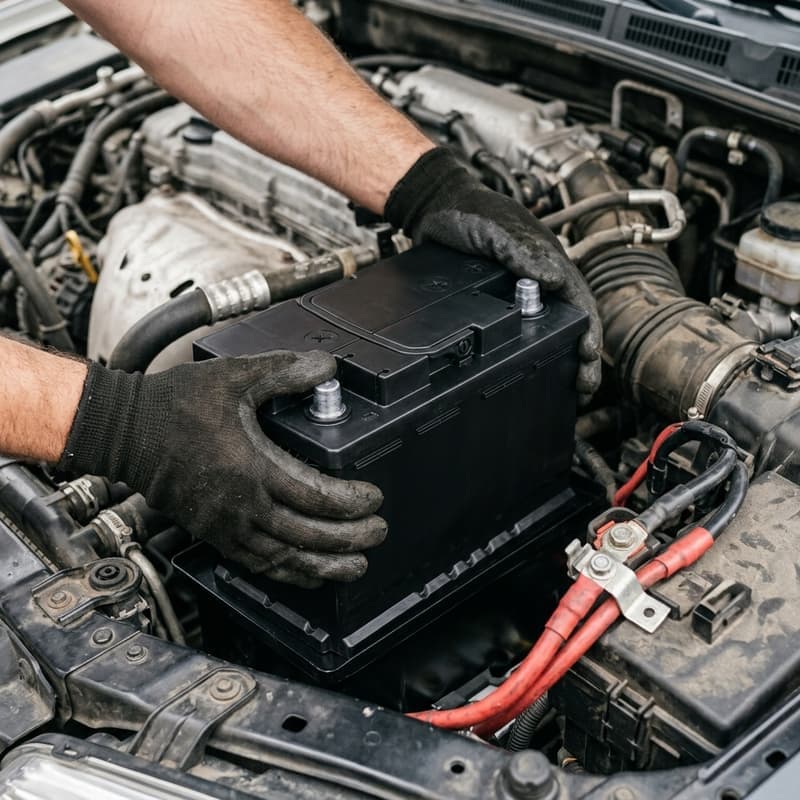
Battery Replacement
Battery replacement involves confirming battery condition and starting or charging-system behaviour before installing a compatible unit. Some vehicles also require battery registration, adaptation, or preserved electronic settings.
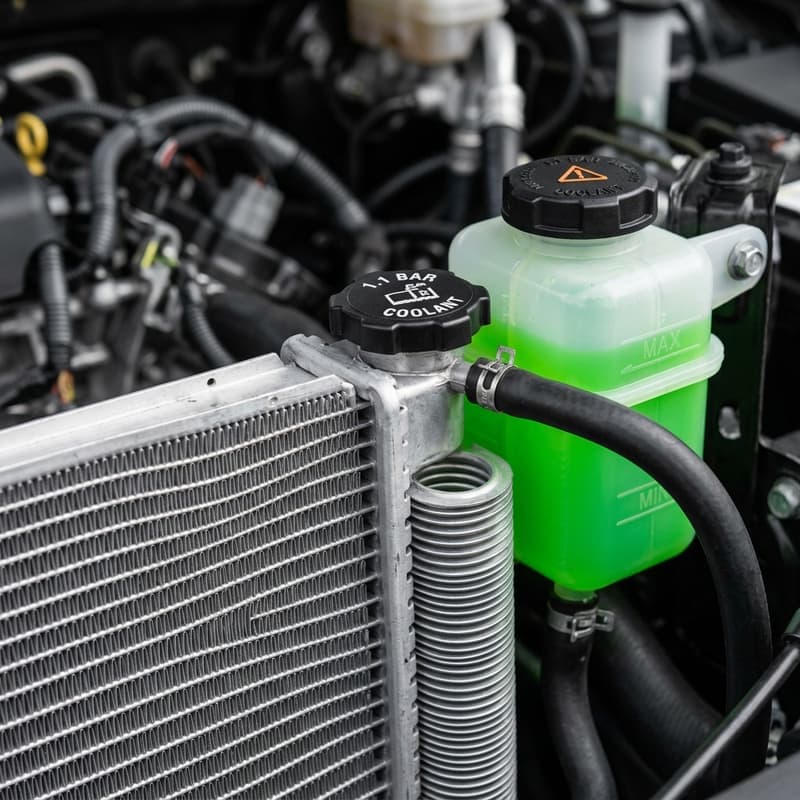
Radiator Repair
Radiator and cooling-system repair addresses coolant loss, restricted heat transfer, pressure problems, airflow faults, or damaged components. The source of overheating or leakage should be confirmed before parts are replaced.
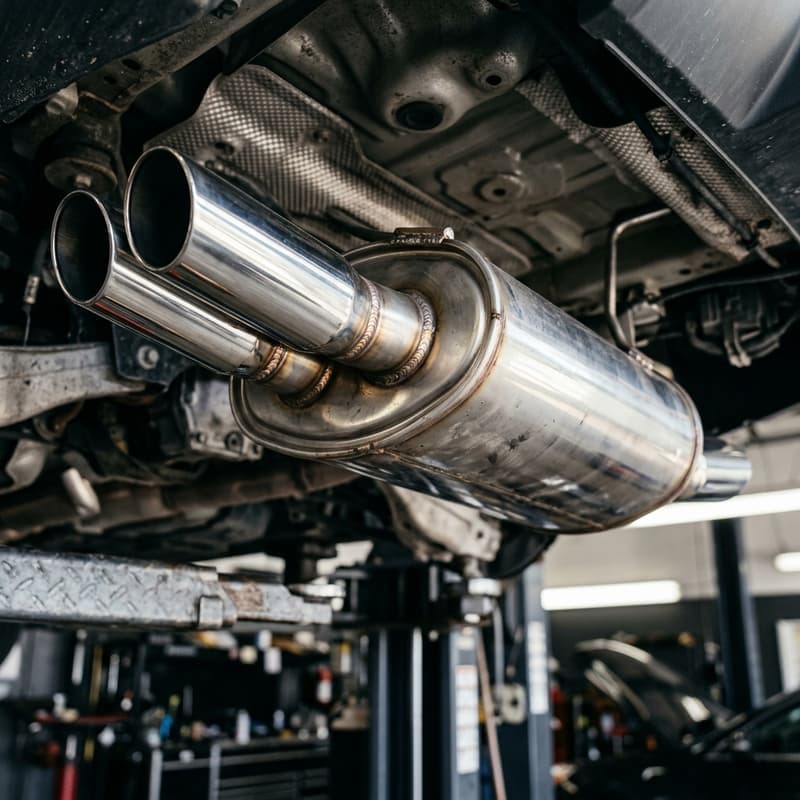
Exhaust Repair
Exhaust repair addresses leakage, noise, damaged supports, emissions-control faults, and restricted flow after the affected section is identified. The system includes more than the visible tailpipe.
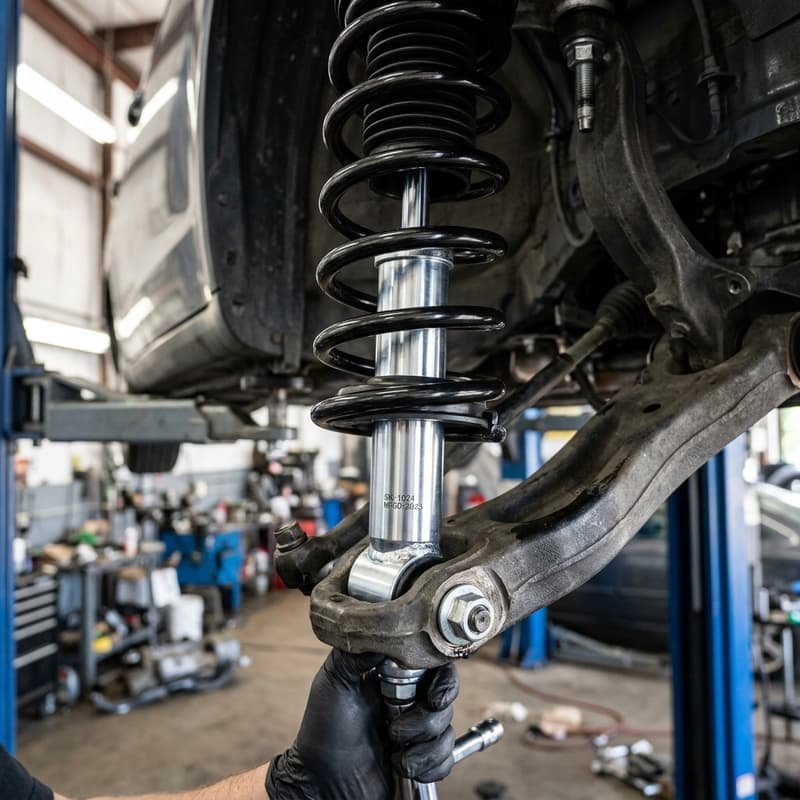
Suspension Repair
Suspension repair addresses worn, loose, leaking, bent, or damaged components that affect ride, tire contact, steering response, and vehicle stability. Inspection identifies which parts and related alignment work are appropriate.
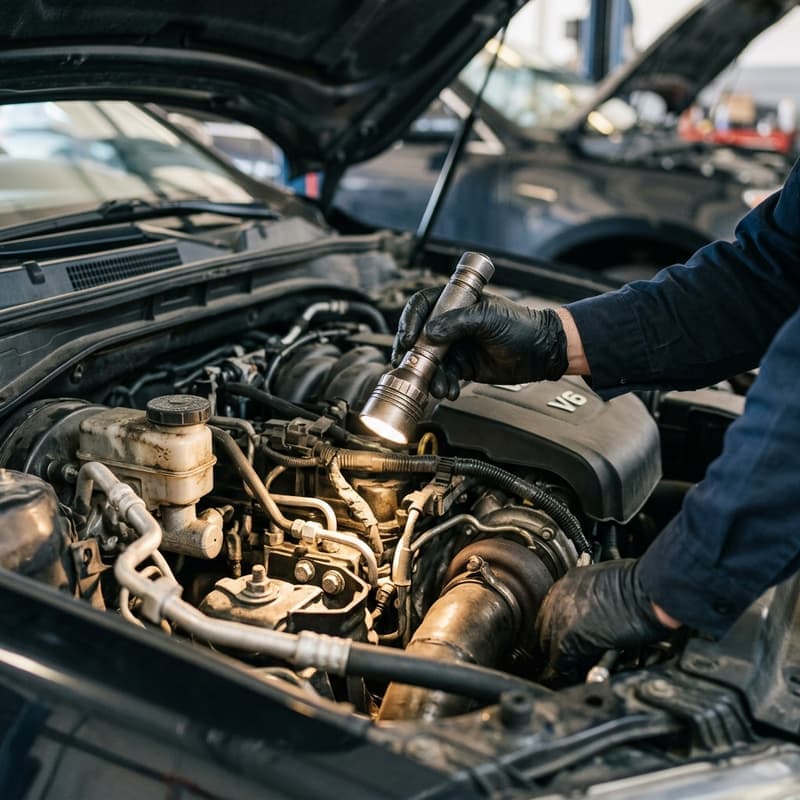
Auto Inspection
An auto inspection documents the condition of the systems included in the requested inspection. It may support maintenance planning, a purchase decision, a regulatory requirement, or diagnosis, but the exact checklist depends on the inspection type.
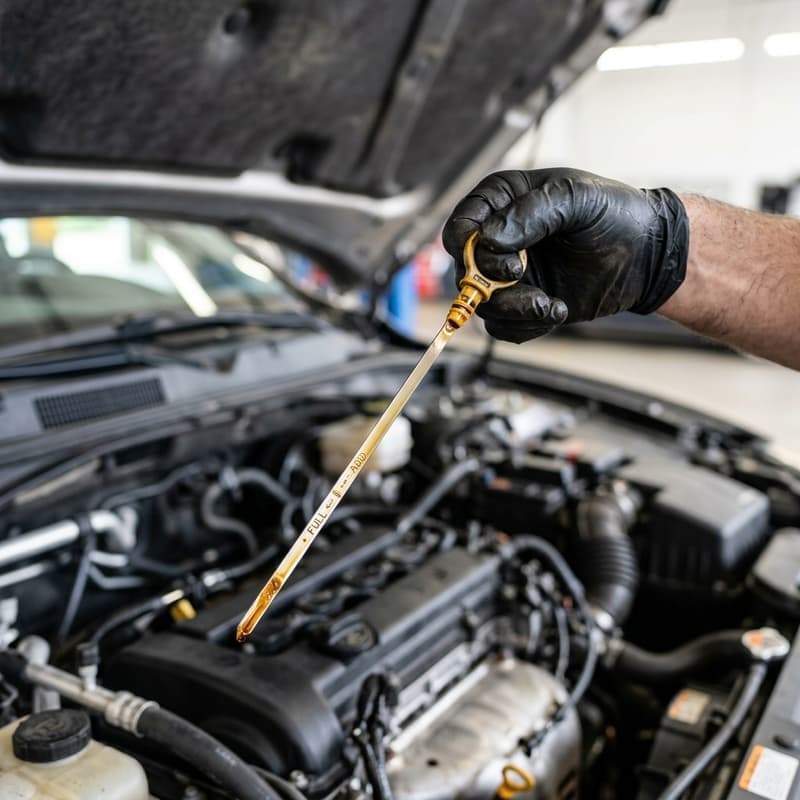
Preventive Maintenance
Preventive maintenance uses vehicle guidance, service history, operating conditions, and current condition to plan upkeep before avoidable wear or fluid deterioration creates a larger concern.
Looking for a service not listed?
Tell us what you need, and we'll let you know how we can help.
Request an Appointment
Why Drivers of Concord - Concord Choose Car Aid Auto Collision
Clear process from intake to pickup
We walk you through the repair plan step by step and keep communication going throughout the job so you know what’s happening and what’s next.
Detail-oriented finishing work
We focus on the visible details that matter after body work—paint blending and panel appearance—so the repair doesn’t stand out once the vehicle is back on the road.
More than collision-only visits
In addition to body repairs, we’re also used for services like window tinting, detailing, oil changes, and seasonal tire swaps.
Signals are derived from aggregated public customer feedback trends.
The team at Car Aid Auto Collision is known for making accident repairs feel manageable, communicating clearly, and returning vehicles looking close to new with strong attention to paint and finishing details.
What Our Customers Say
“I recently had some body work done at Car Aid Auto Collision, and I couldn't be happier with the results! I was particularly concerned about getting the paint to match perfectly on my full carbon fiber hood after the accident. The team at Car Aid went above and beyond to ensure a flawless match. You can't even tell there was ever any damage! The service was professional, the work was top-notch, and the price was fair. I highly recommend Car Aid Auto Collision to anyone looking for quality auto body repairs. Their quality of work can’t be beat!”
Find Us in Concord
Opening Hours
- Monday9 AM to 5 PM
- Tuesday9 AM to 5 PM
- Wednesday9 AM to 5 PM
- Thursday9 AM to 5 PM
- Friday9 AM to 5 PM
- SaturdayClosed
- SundayClosed
Request a Quote or Ask a Question
Fill out the form below and we’ll follow up shortly.
Helpful Reads
Top 5 Symptoms of a Failing Car Fuel System in Canadian Winters
Recognize failing fuel system symptoms before you get stranded. Learn how cold weather affects fuel lines and what to watch for.
Why Your Car Starter Struggles on -20°C Mornings
Understand why cars won't start in extreme cold and what you can do about it. Learn how cold weather affects your starter and battery.
The Cost of Ignoring a Minor Oil Leak: A $5,000 Cautionary Tale
Understand why a small engine oil leak can trigger catastrophic cascade failures, turning a simple gasket replacement into an expensive $5,000 rebuild.
Are you the owner of Car Aid Auto Collision? Claim this listing →
Manage this profile. Sign in to your business dashboard.