
Alberta Class 7 topic
Alberta Class 7 Weather, Visibility & Emergencies
Handle darkness, poor weather, loss of traction, breakdowns, collisions and emergencies.
45 questions, free with an account. 13 of them are hard. Each one has its answer, an explanation and its official source.
- 19 picture questions
- 26 text questions
- 13 of them hard
19 picture questions
Questions in this topic
Select a question to answer it. The answer and the explanation show after you answer.
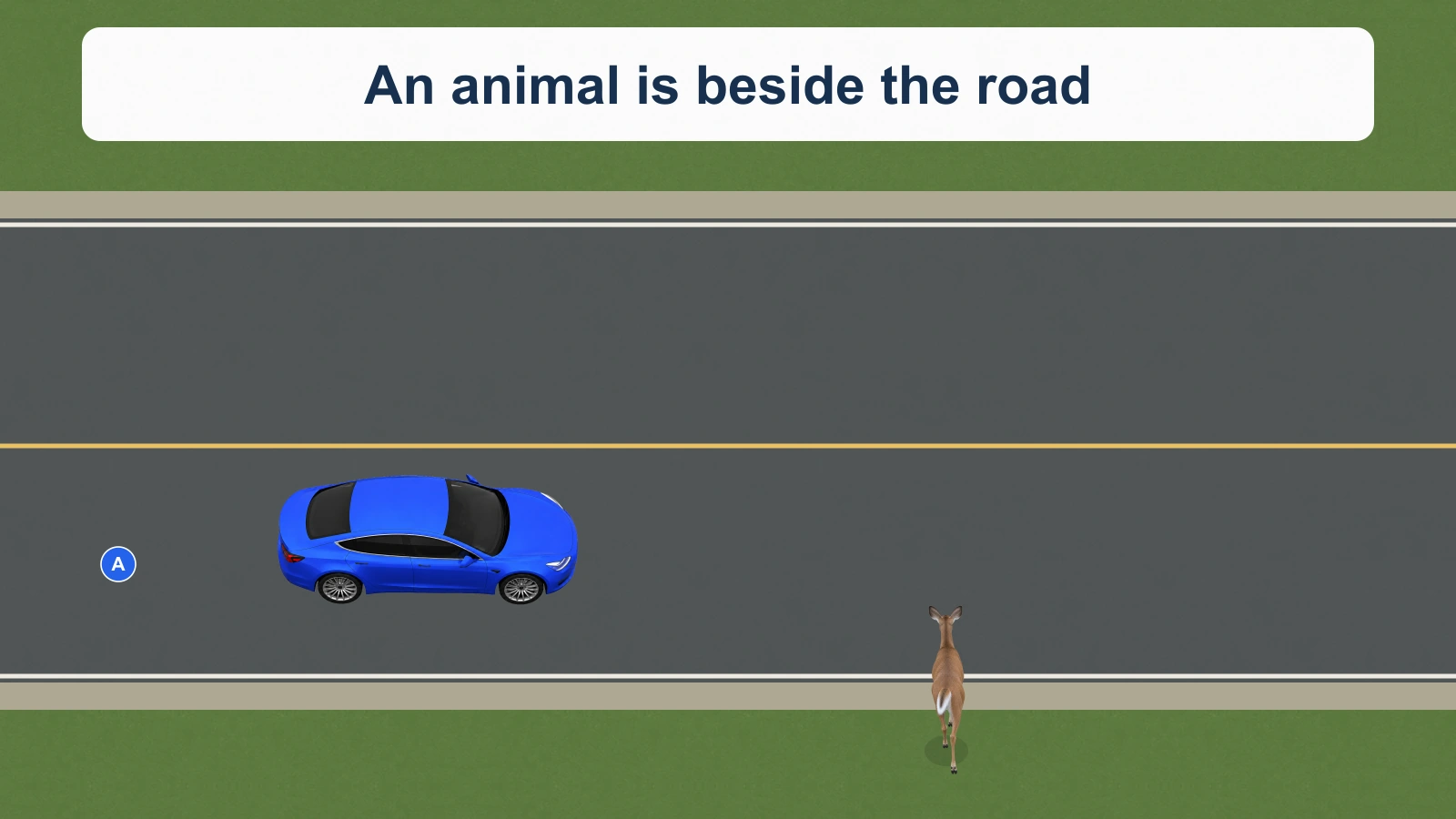 Animals On RoadWhat should a driver do when animals may enter the roadway?Try this question
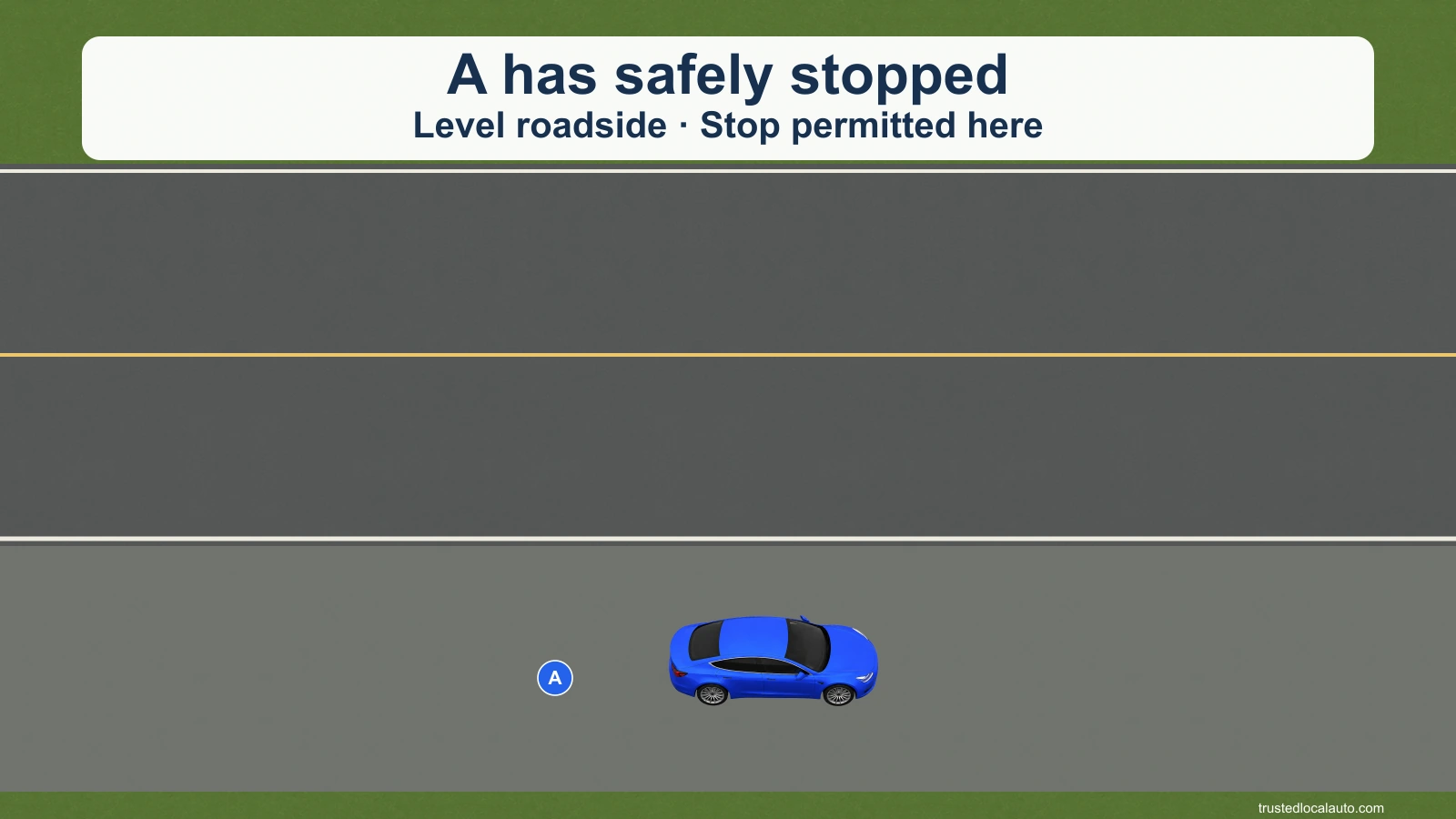 Warning others after a breakdownAfter stopping a disabled vehicle on a highway where it may pose a danger, what should a driver do?Try this question
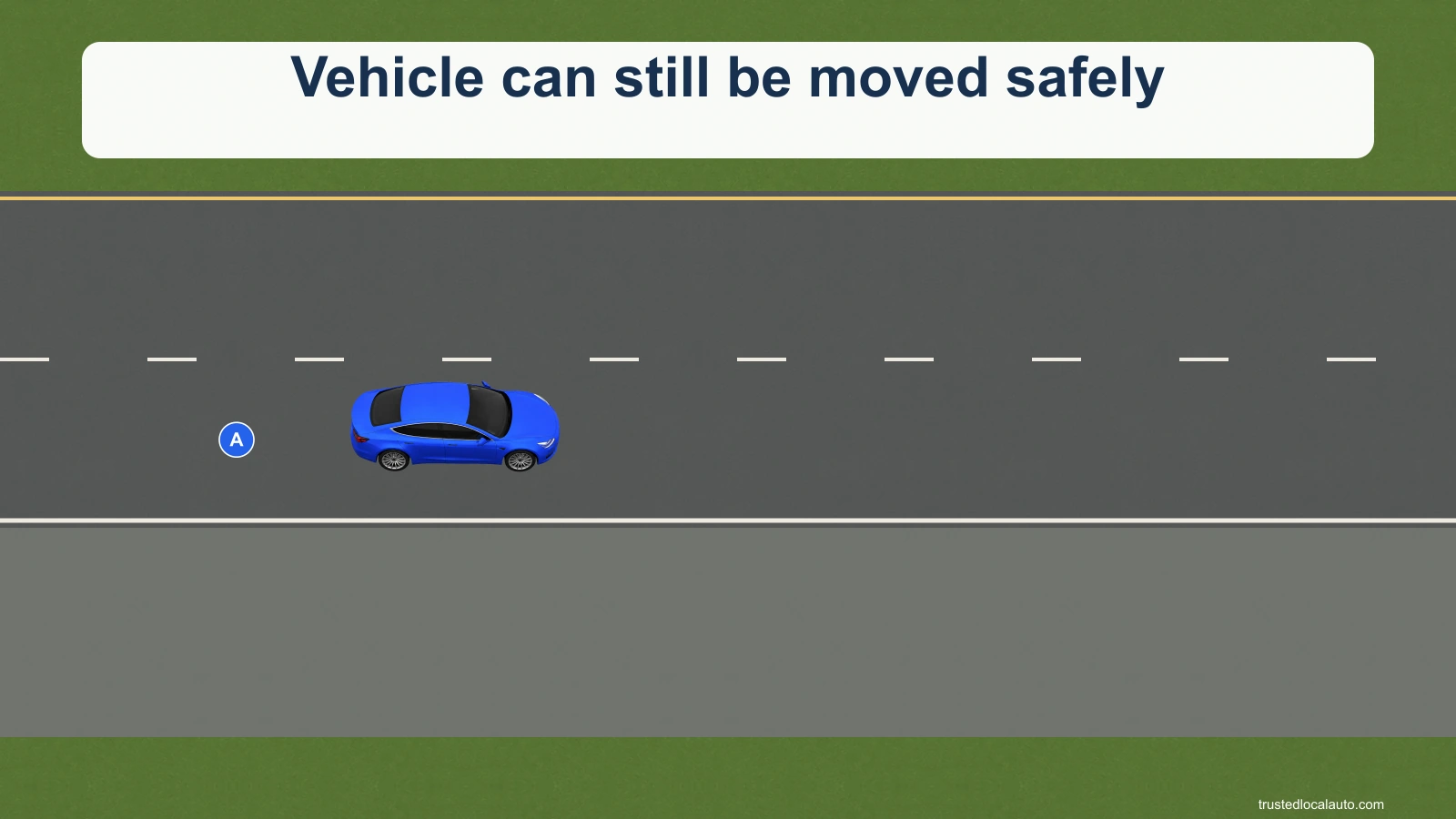 Breakdown Safe LocationWhere should a driver stop after a vehicle breakdown, if possible?Try this question
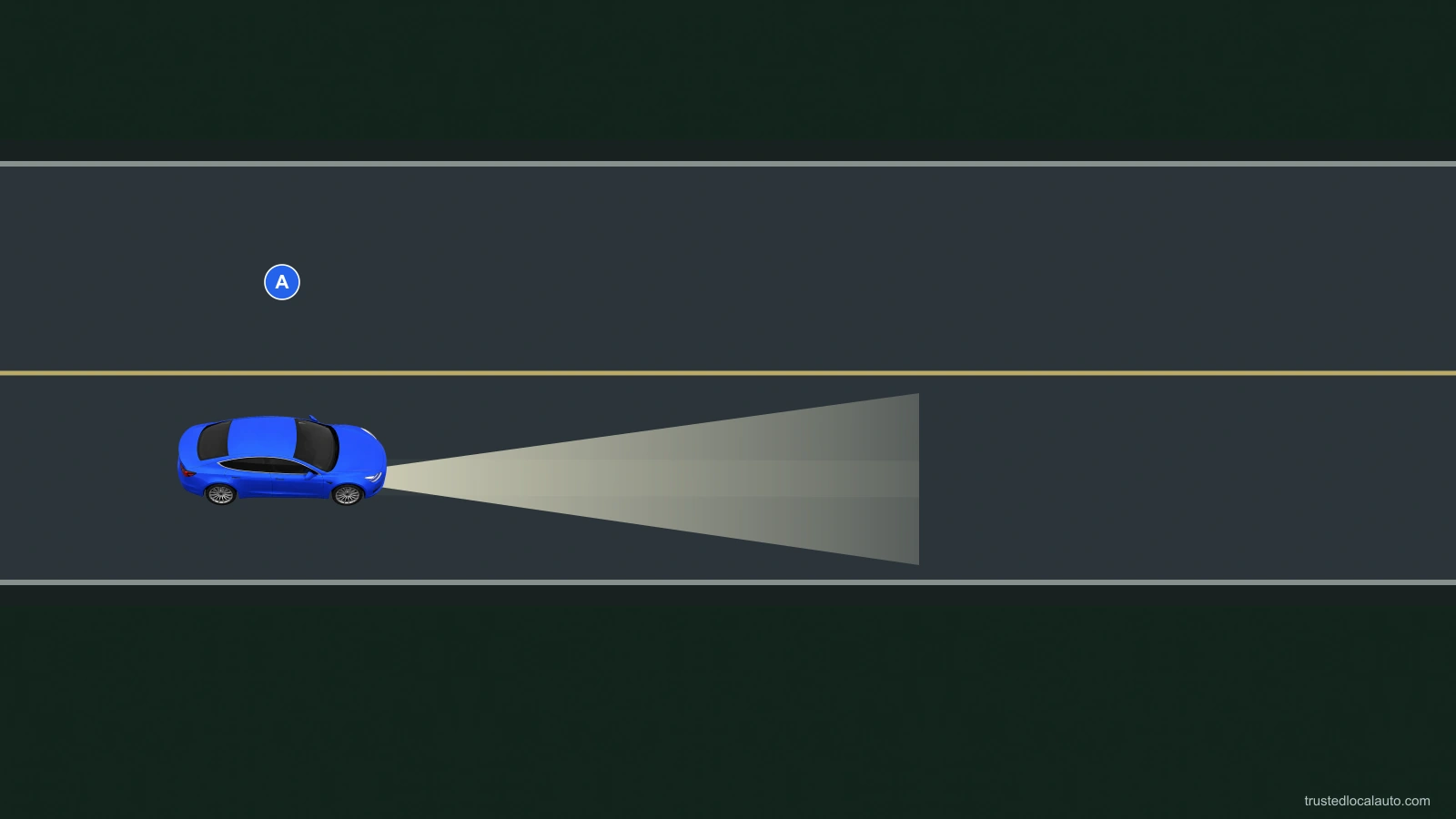 Do Not Overdrive HeadlightsWhat does it mean to overdrive your headlights?Try this question
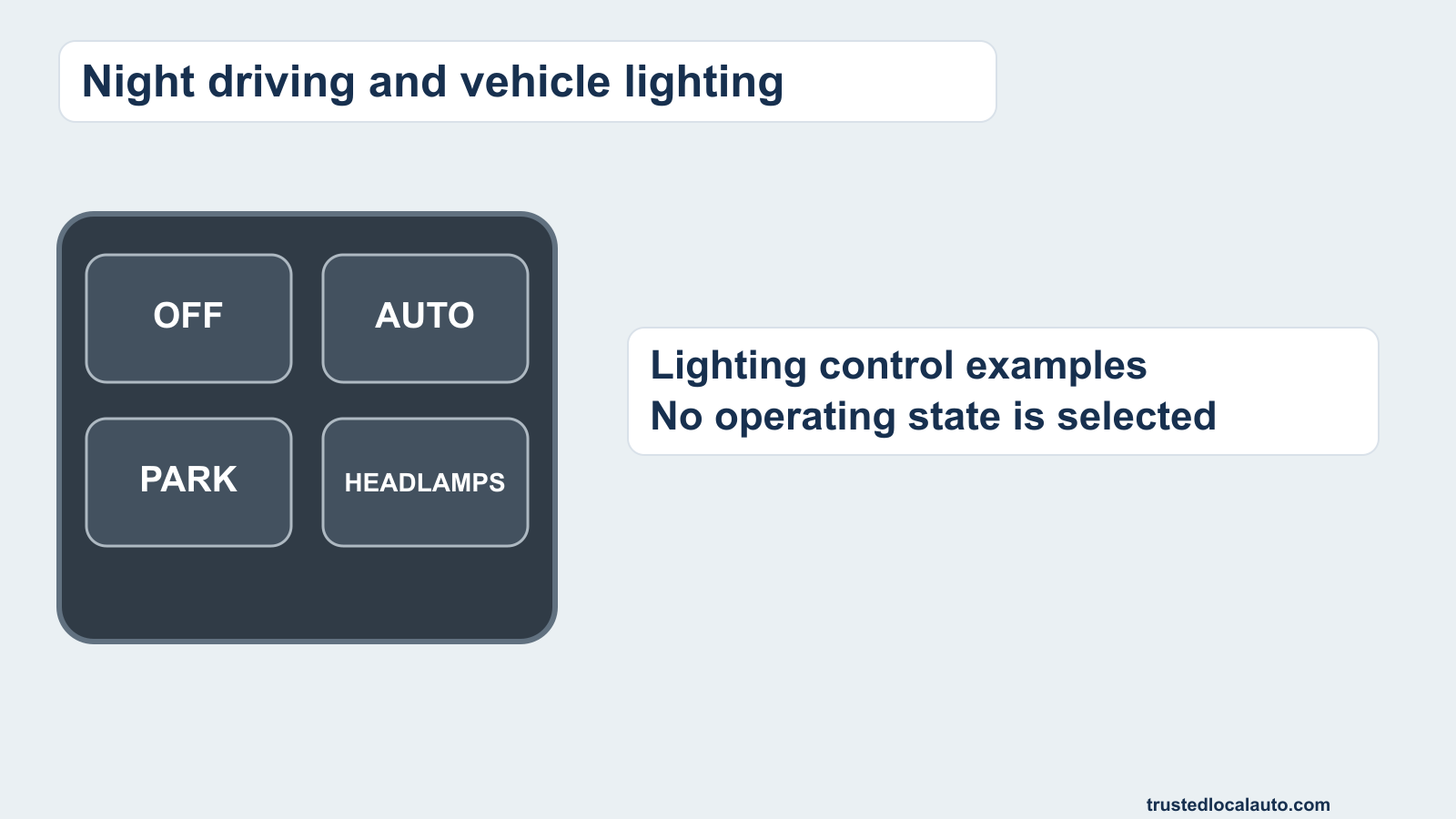 Daytime Running Lights at NightWhy are daytime running lights not enough for night driving?Try this question
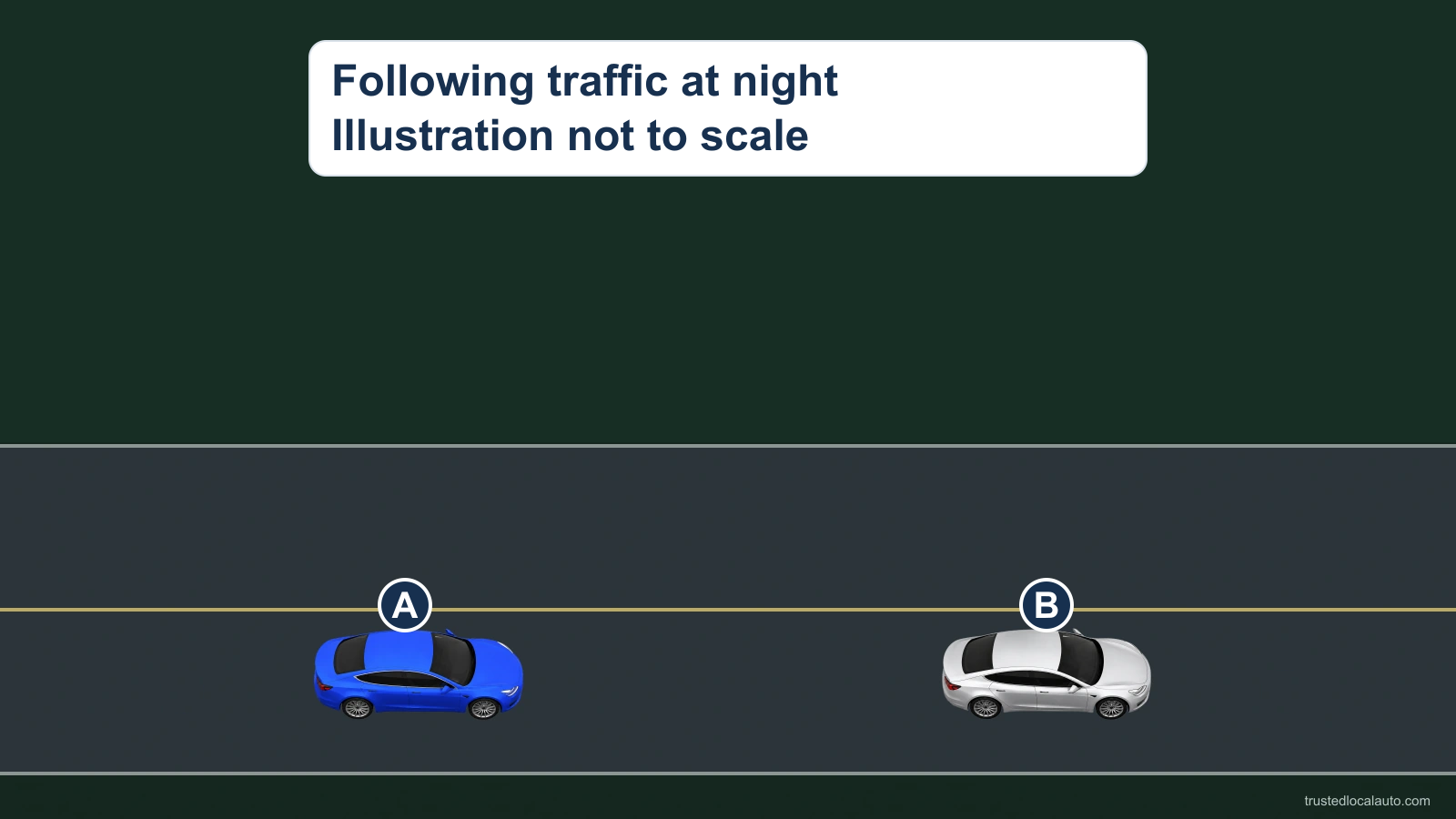 Low Beams Following DistanceWhen following another vehicle at night, when must high beams be dimmed?Try this question
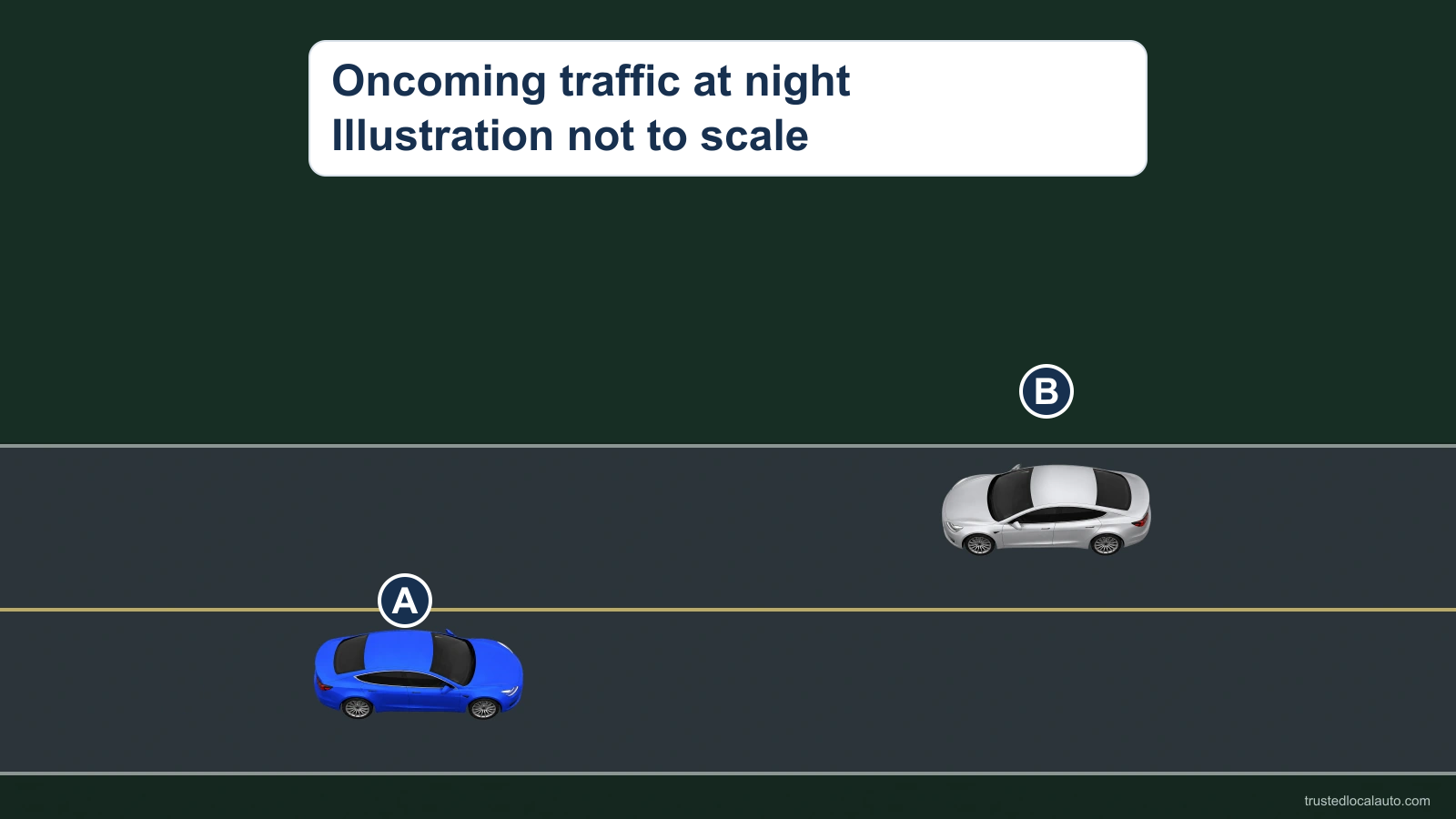 Low Beams Oncoming DistanceWhen approaching an oncoming vehicle at night, when must high beams be dimmed?Try this question
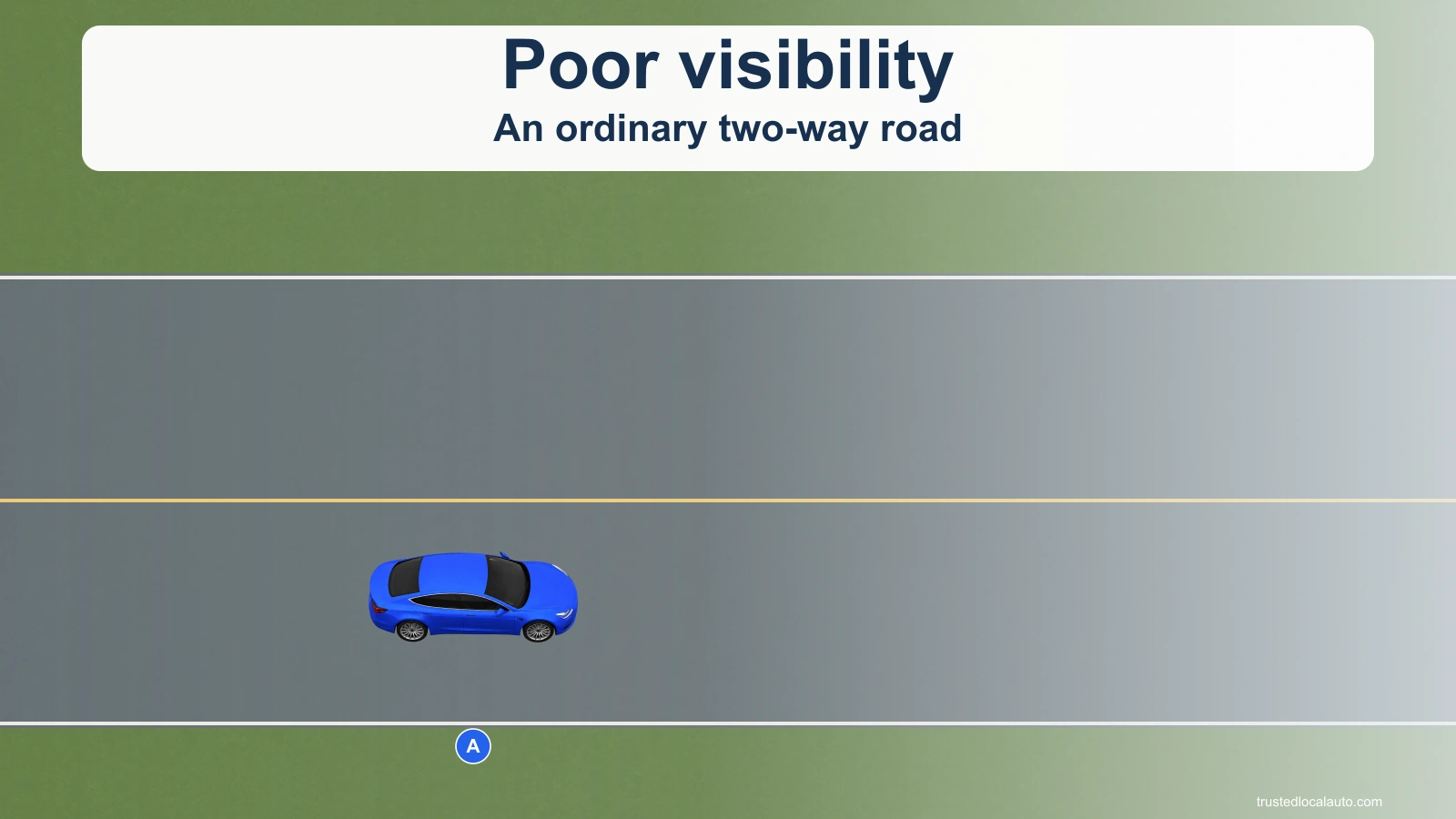 Night Headlight DistanceWhen are headlights required because of limited visibility?Try this question
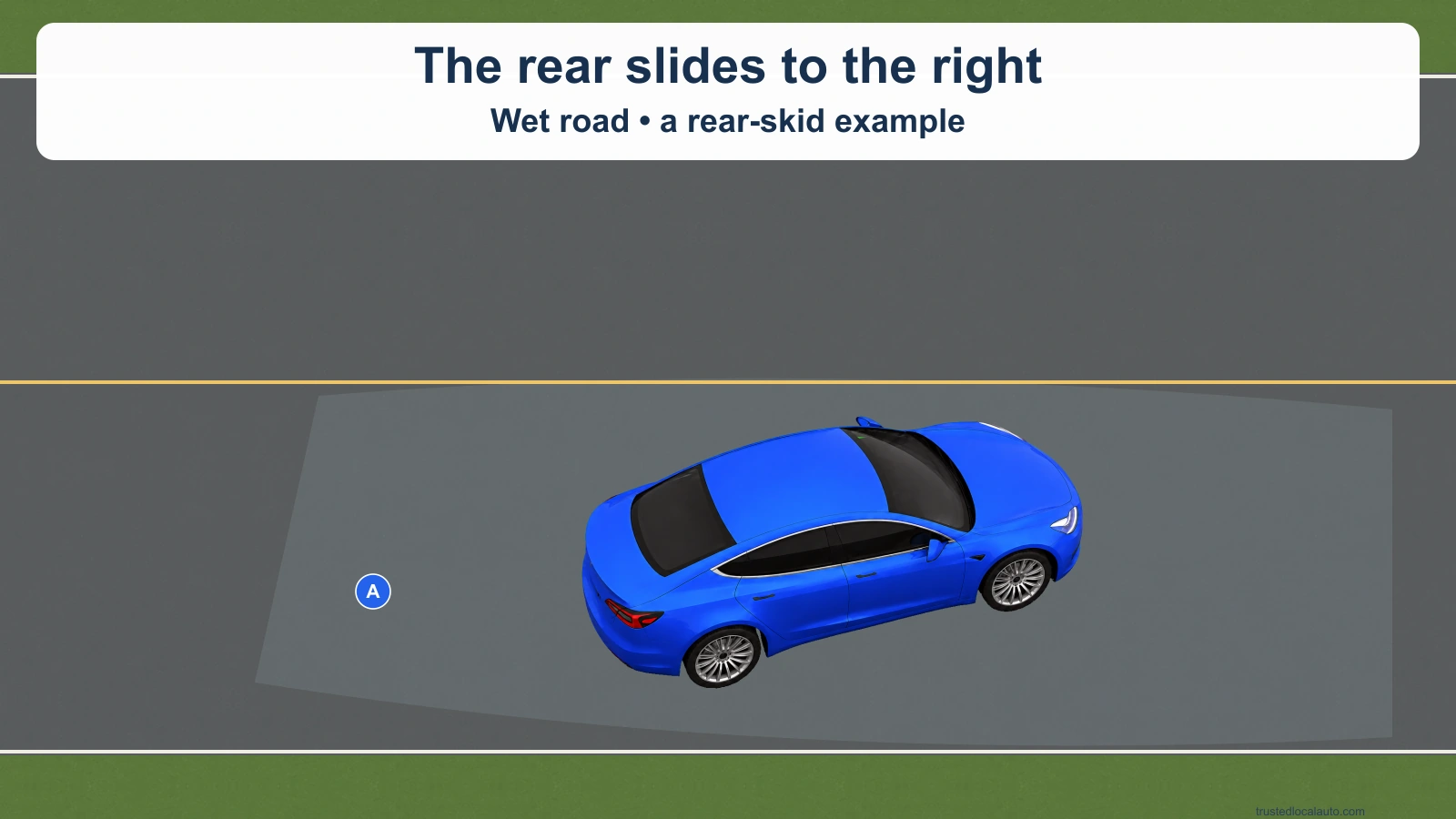 General Skid RecoveryIn a skid that is not an ABS emergency stop, what general response does Alberta’s guide recommend?Try this question
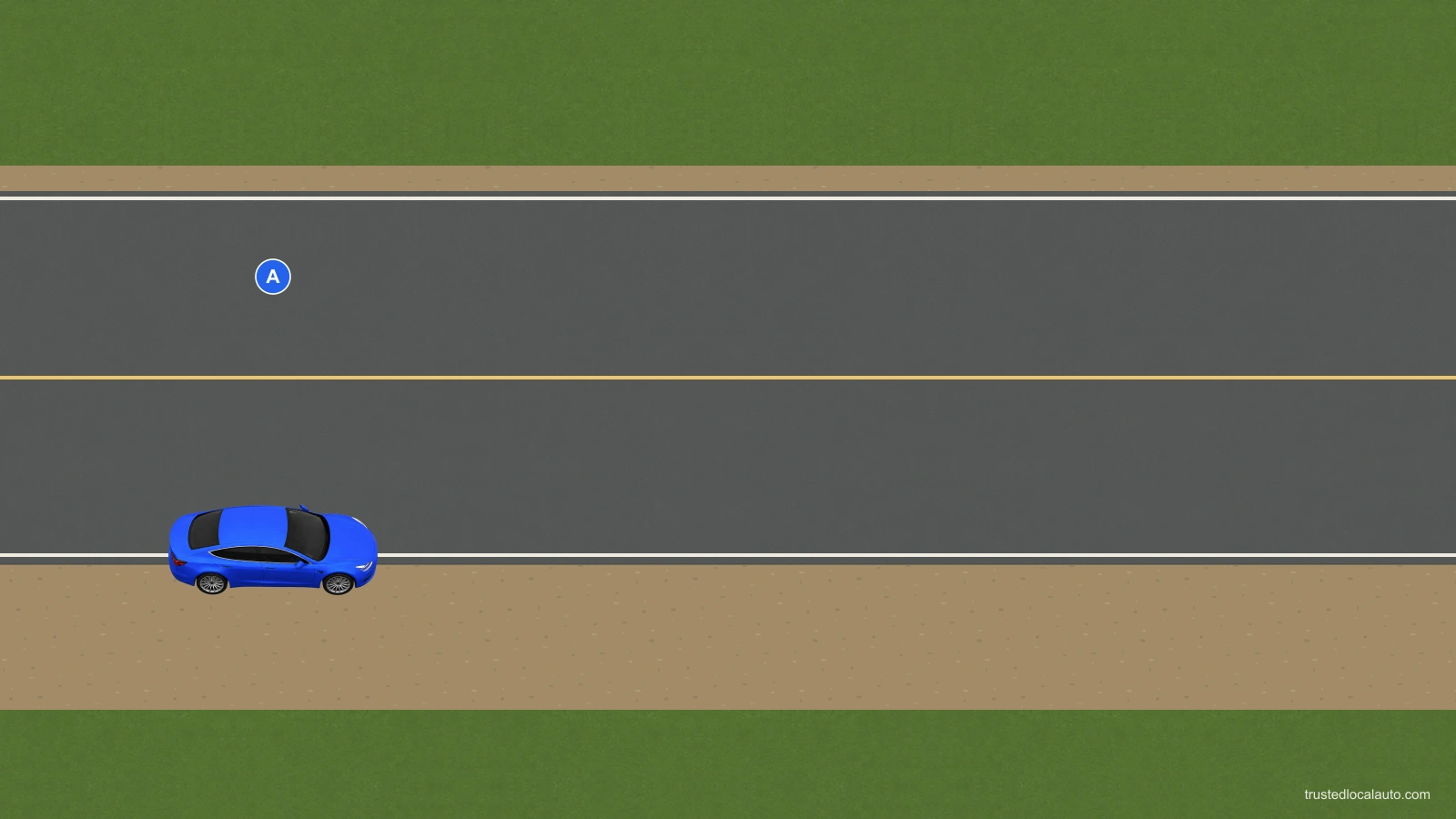 Off Road RecoveryIf the right wheels drop off the pavement, what should the driver do?Try this question
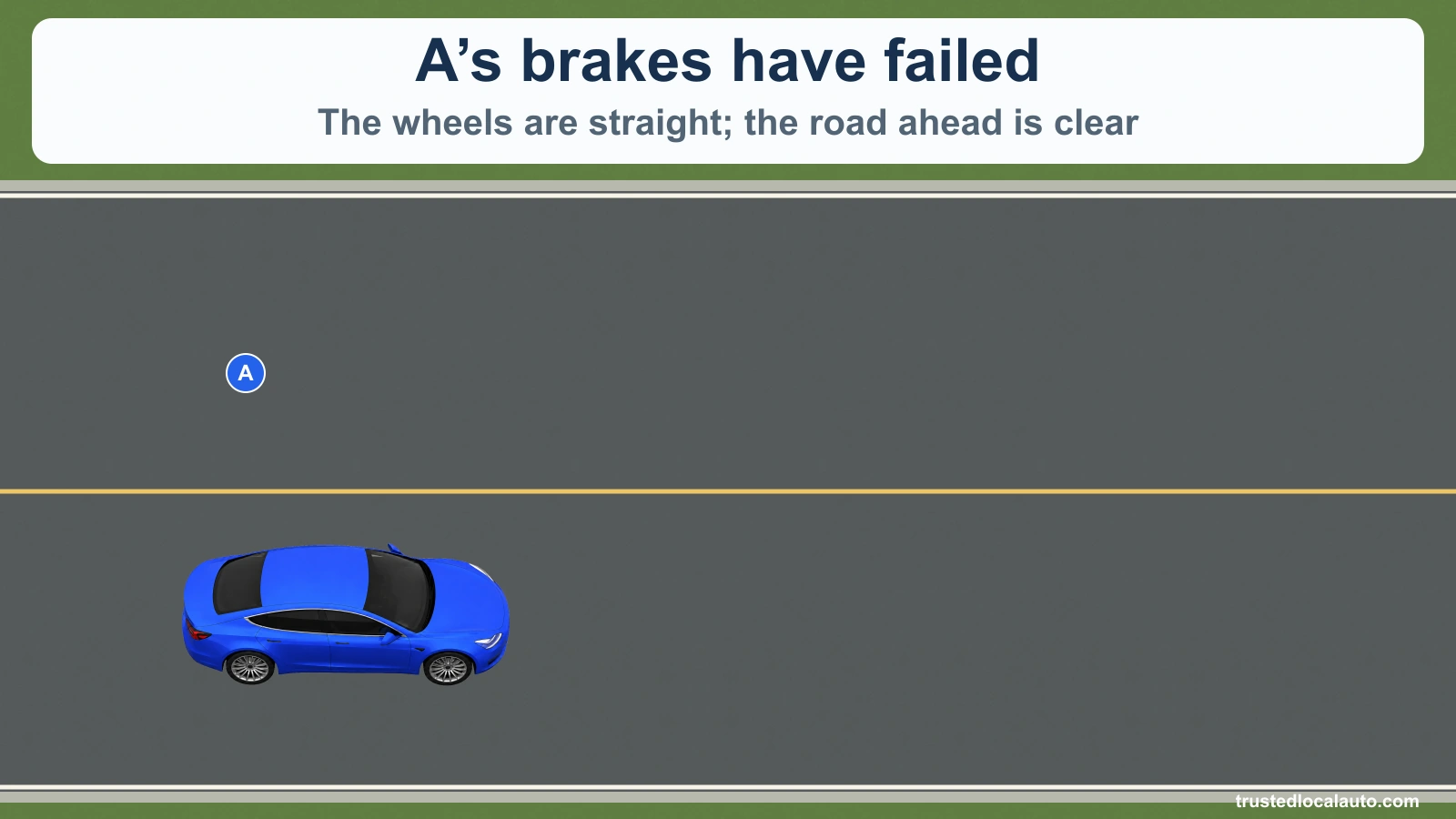 Brake Failure ResponseIf the brakes fail and the wheels are straight, what does Alberta’s guide advise to help stop the vehicle?Try this question
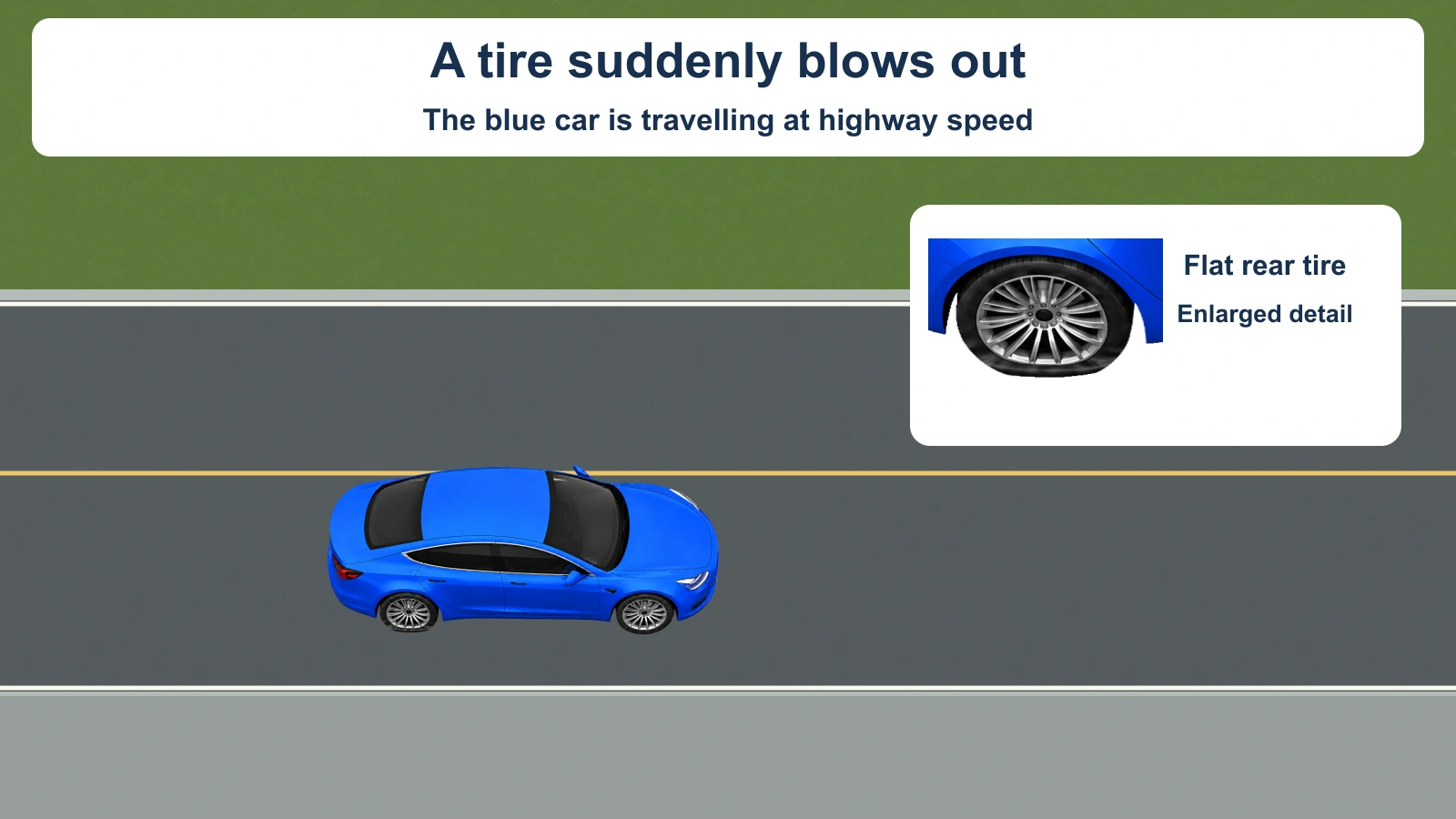 Tire Blowout ResponseWhat should a driver do immediately after a tire blowout?Try this question
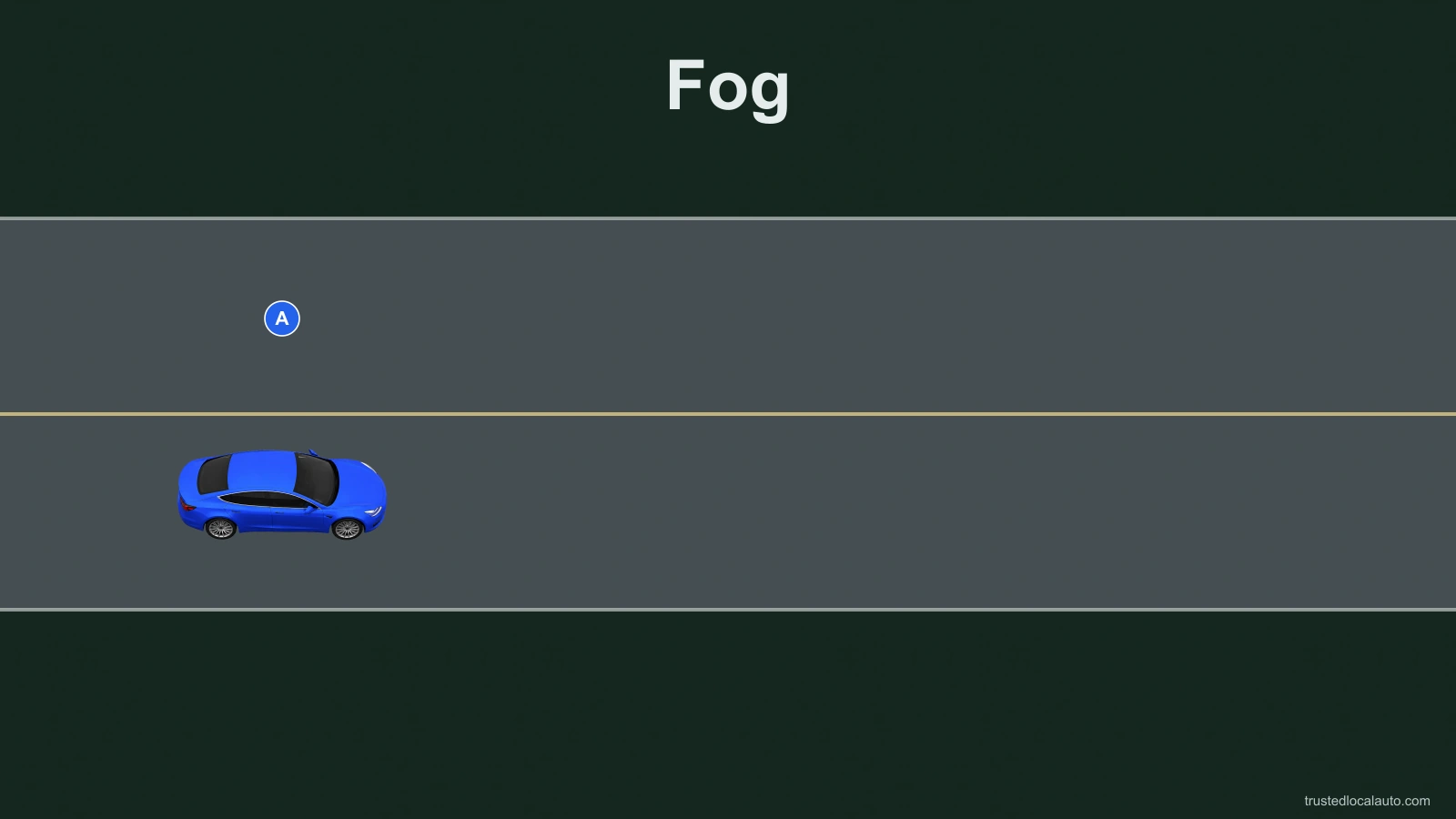 Headlights in fog or smokeWhich headlights should a driver use in fog or smoke?Try this question
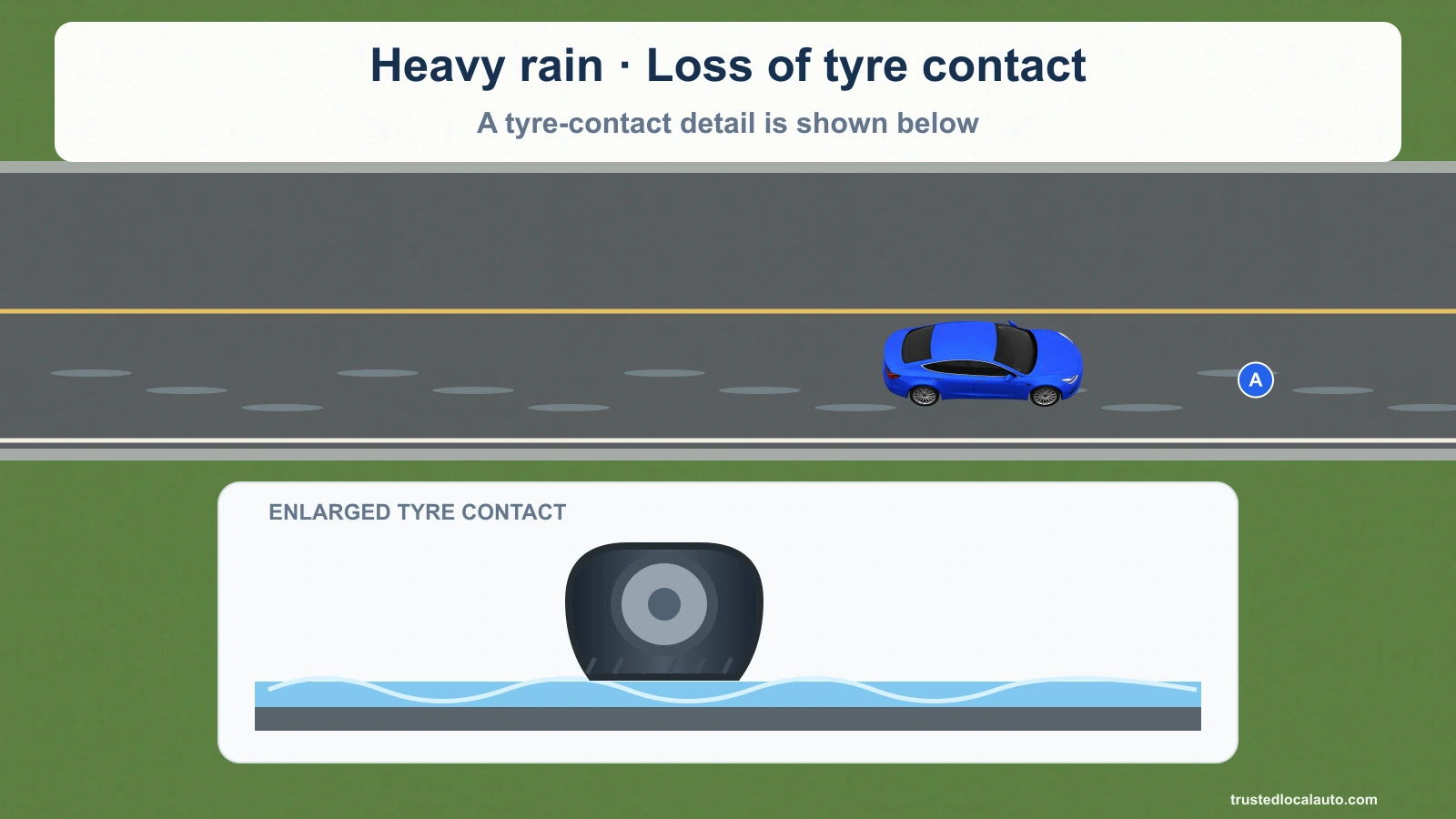 Hydroplaning ResponseWhat should a driver do if the vehicle begins to hydroplane?Try this question
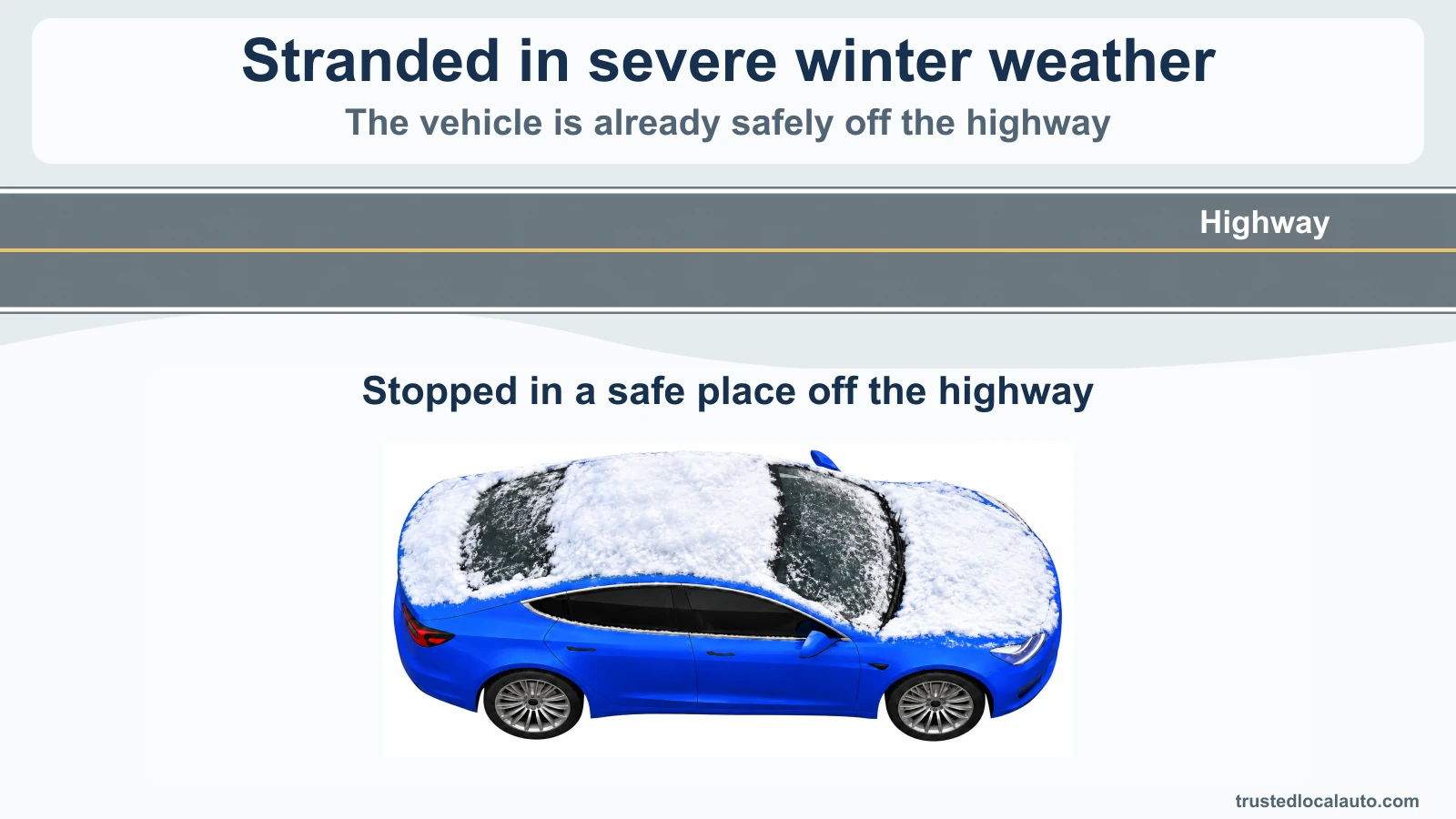 Stranded in winterIf stranded off the highway in severe winter weather with the vehicle in a safe place, what is usually safest?Try this question
- Right wheels off the pavement HardAt highway speed, your right wheels drop off the pavement onto the shoulder. What should you do?Try this question
- Stopping after brake failure HardYour brakes fail while your car travels straight ahead, as in this picture. What does Alberta's guide advise to help you stop?Try this question
- Lights for driving in fog HardYou drive in fog, as in this picture. Which lights should you use?Try this question
- Stranded in a winter storm HardSevere winter weather leaves you stranded off the highway. Your car is stopped in a safe place, as in this picture. What is usually safest?Try this question
26 text questions
More questions in this topic
- If a breakdown leaves the vehicle in a potentially dangerous location, where does the guide advise occupants to wait?
- What information should drivers exchange after a collision?
- In Alberta, which collision must be reported?
- What is the first priority at a collision scene?
- When safely placing reflective triangles behind a disabled vehicle, about how far apart does Alberta’s guide suggest spacing them?
- How should a driver use the brake pedal in an emergency in a vehicle with ABS?
- How should a driver make a hard stop in a vehicle without ABS?
- If non-ABS wheels lock during braking, what should the driver do?
- During a cornering skid, what should a driver avoid?
- What should a driver do if too much acceleration makes the drive wheels spin?
- If the headlights fail at night, what should a driver do?
- What should a driver expect if power steering assistance fails?
- Which road areas deserve extra caution because they can become icy sooner or remain icy longer?
- What should a driver do if fog or smoke makes continued driving unsafe?
- When should cruise control be avoided?
- Which combination is appropriate for a winter driving emergency kit?
- Before running the engine of a snowbound vehicle, what must be checked?
- Alberta's guide gives one distance as about 10 to 20 metres. Which distance is it? Hard
- Your vehicle has broken down in a potentially dangerous place. You can safely place reflective triangles to the rear of the vehicle. What spacing between the triangles does Alberta's guide suggest? Hard
- Your car breaks down beside a highway in a potentially dangerous place. You and your passengers can get out of the car safely. Where does Alberta's guide advise everyone to wait? Hard
- Your car has working anti-lock brakes (ABS). A hazard appears ahead, and you must make an emergency stop. How should you use the brake pedal? Hard
- It is daytime. Fog limits your view, and you can clearly see objects only about 100 metres ahead. Which statement about your headlights is correct? Hard
- At night, your high beams are on, and a vehicle comes toward you in the opposite lane. The rule sets a distance from that vehicle within which you must dim. What is that distance? Hard
- Poor light or weather can require your headlights at any time of day. The rule uses a distance: when you cannot clearly see objects that far ahead, the lights must be on. What is that distance? Hard
- At night, your high beams are on. The rules set the distance at which you must switch to low beams. Which pair of distances is correct? Hard
- On a slippery road, too much acceleration makes your drive wheels spin. What should you do? Hard
Alberta Class 7
More Class 7 topics
Road rules · 12 topics
- Licensing & Test Readiness52 questions
- Traffic Signals & Road Markings32 questions
- Observation, Speed & Space44 questions
- Intersections & Right-of-Way26 questions
- Turns, Lanes, Passing & Merging46 questions
- Parking, Reversing & Roadside Stops30 questions
- Sharing the Road51 questions
- Freeways & High-Speed Roads5 questions
- School Zones, Railways & Work Areas33 questions
- Weather, Visibility & Emergencies45 questions · This topic
- Vehicle Safety, Documents & Towing66 questions
- Safe & Responsible Driving65 questions
Each question page shows the answer, the explanation and the official source of the question.