
Hawaii Class 3 Learner's Permit topic
Hawaii Class 3 Learner's Permit Vehicle Safety, Documents & Towing
Review vehicle condition, restraints, required documents, loads, trailers and towing.
32 questions, free with an account. 11 of them are hard. Each one has its answer, an explanation and its official source.
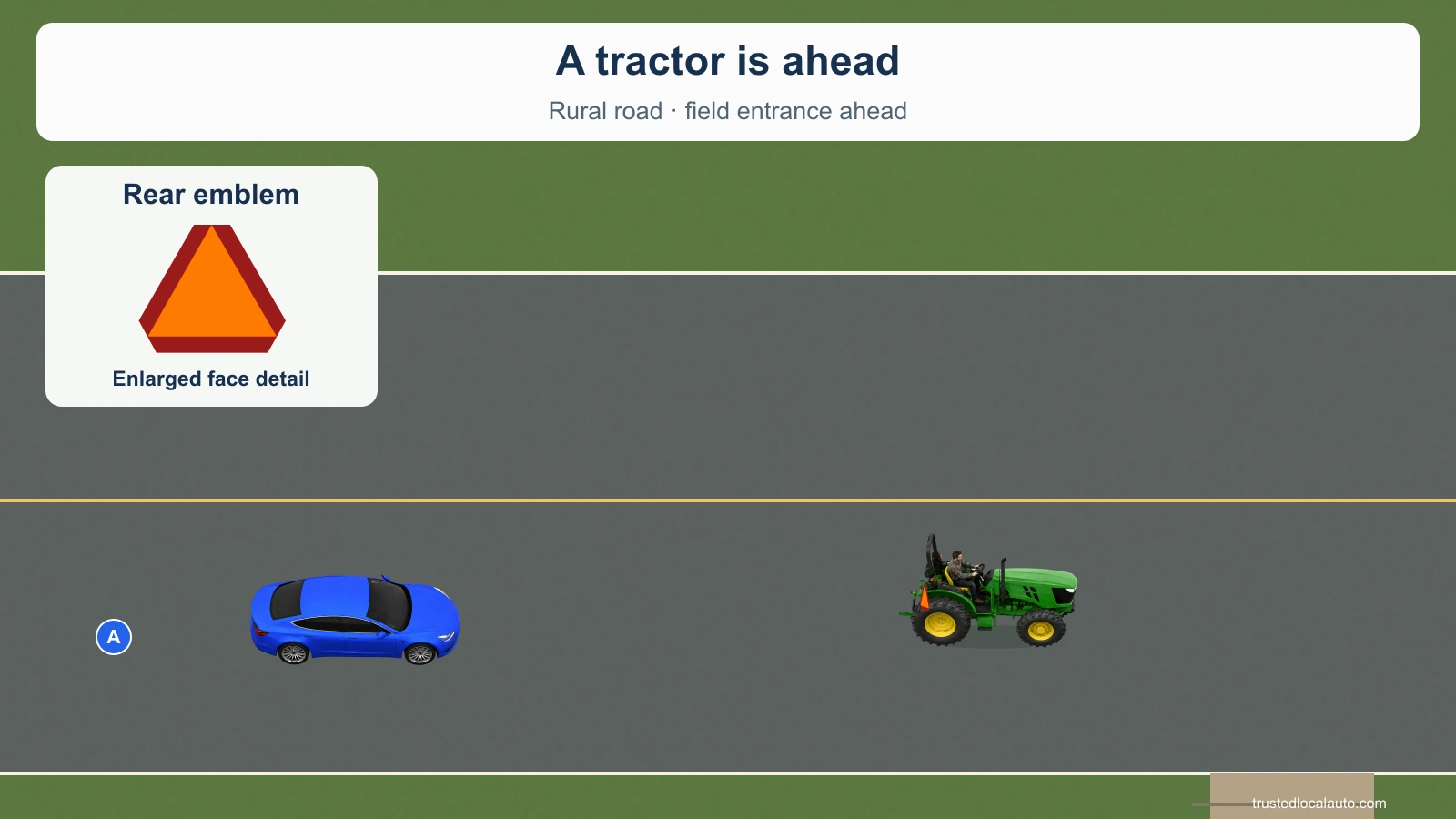
- 1 picture question
- 31 text questions
- 11 of them hard
1 picture question
Questions in this topic
Select a question to answer it. The answer and the explanation show after you answer.
31 text questions
More questions in this topic
- How do badly worn, or bald, tires affect driving?
- While using a vehicle with a suspected exhaust leak, occupants develop headache and dizziness. What is the safest response?
- May a driver leave a child under 9 unattended in a motor vehicle for 5 minutes or longer?
- For an ordinary passenger-car trip with no exemption, how must a child who is 3 years old be restrained?
- A 6-year-old rides in an ordinary passenger car, with no applicable exemption. What restraint is required?
- A family plans an ordinary outing in a pickup truck. A 15-year-old offers to sit on the floor of the open bed because the cab is full. No legal exception applies. May the driver carry the child there?
- Where should you find the recommended cold tire inflation pressure for your passenger car?
- Which period does Hawaii’s ordinary headlight statute specify for a motor vehicle moving on a public highway?
- Why should a driver check the speedometer regularly?
- An 8-year-old is taller than 4 feet 9 inches and can be properly secured by the available lap-and-shoulder belt. With no other special circumstances, what does Hawaii law allow?
- May a driver use only the parking lights while the vehicle is moving?
- The power steering stops assisting, but the mechanical steering still works. What should you expect and do?
- How should a driver set the seat before starting?
- For an ordinary passenger-car trip with no exemption, how must a child younger than 2 be restrained in Hawaii?
- Before an ordinary passenger-car trip, what should the driver ensure about occupant restraints?
- Before driving with loose cargo, what should you do?
- How should a driver normally press the accelerator when starting or increasing speed?
- During an uncontrolled-acceleration emergency, you need to shut off an engine with a keyed ignition. What must you avoid?
- You are loading a trailer for an ordinary trip. Which approach best supports stable towing?
- After a covered car crash in Hawaii, what does the no-fault part of an ordinary motor vehicle policy generally pay, up to its personal injury protection limit?
- A driver plans to leave an 8-year-old alone in the parked car for exactly 5 minutes. Which description of Hawaii law is correct for this plan? Hard
- A driver wants to leave a 7-year-old in the parked car for 10 minutes with the child's 11-year-old sibling. The windows will be slightly open. Which statement is correct? Hard
- A child turned 2 last week. The trip is an ordinary passenger-car trip with no exemption. Which statement about Hawaii law is correct? Hard
- Sunset was 45 minutes ago. You drive a car on a public highway in town, and bright street lights light the road. The air is clear. Which statement about Hawaii's ordinary headlight statute is correct? Hard
- An 8-year-old is 4 feet 11 inches tall and rides in the rear seat of a passenger car. In that seat, the only belt is a lap belt. No exemption applies. Which statement about the restraint for this child is correct? Hard
- An 8-year-old is exactly 4 feet 9 inches tall. The seat has a lap-and-shoulder belt that fits the child properly. The trip is an ordinary passenger-car trip with no exemption. Which statement is correct? Hard
- On a two-lane road, you come up behind a vehicle with a reflective orange triangle with a red border on its rear. Which statement is correct? Hard
- A reflective orange triangle with a red border is on the rear of a vehicle ahead. Which design speed does the emblem mark? Hard
- Hawaii's ordinary headlight statute gives the period when a motor vehicle that moves on a public highway must use headlights. Which statement of that period is correct? Hard
- Which statement about tire pressure for your passenger car is NOT correct? Hard
- On an ordinary passenger-car trip with no exemption, Hawaii law has a rear-facing requirement and an internal-harness requirement for young children. At which age does each requirement end? Hard
Hawaii Class 3 Learner's Permit
More Class 3 Learner's Permit topics
Road rules · 12 topics
- Licensing & Test Readiness21 questions
- Traffic Signals & Road Markings23 questions
- Observation, Speed & Space13 questions
- Intersections & Right-of-Way20 questions
- Turns, Lanes, Passing & Merging12 questions
- Parking, Reversing & Roadside Stops11 questions
- Sharing the Road20 questions
- Freeways & High-Speed Roads13 questions
- School Zones, Railways & Work Areas35 questions
- Weather, Visibility & Emergencies14 questions
- Vehicle Safety, Documents & Towing32 questions · This topic
- Safe & Responsible Driving25 questions
Each question page shows the answer, the explanation and the official source of the question.