
Quebec Class 5 topic
Quebec Class 5 Traffic Signals & Road Markings
Understand lights, arrows, lane-control signals, pavement lines and other roadway markings.
30 questions, free with an account. 10 of them are hard. Each one has its answer, an explanation and its official source.
- 17 sign questions
- 8 situation questions
- 5 text questions
- 10 of them hard
17 sign questions
Signs and what they mean
Select a question to answer it. The answer and the explanation show after you answer.
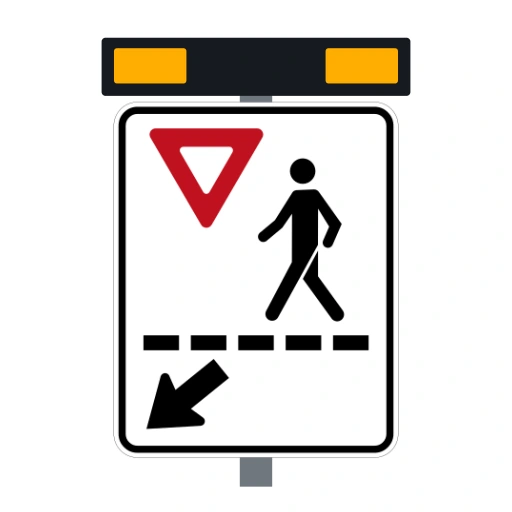 Approaching a Pedestrian CrossingTry this question
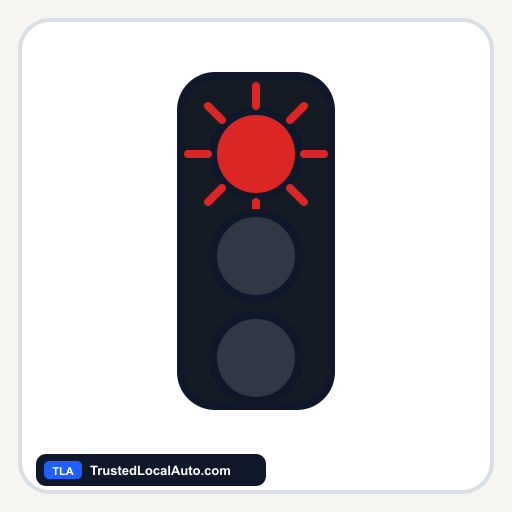 A Flashing Intersection SignalTry this question
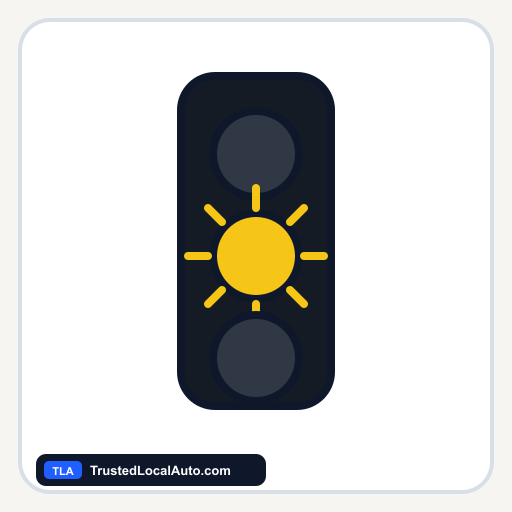 A Flashing Yellow SignalTry this question
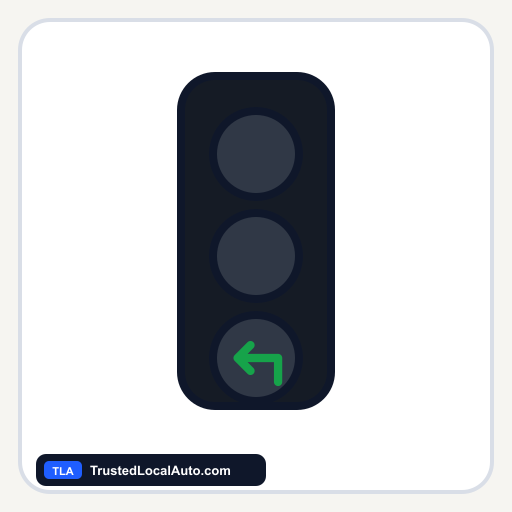 Following a Directional SignalTry this question
 An Overhead ArrowTry this question
 Reading an Overhead Lane SignalTry this question
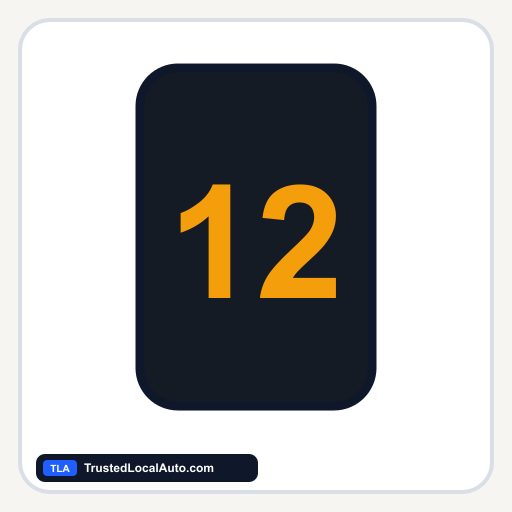 Reading a Pedestrian CountdownTry this question
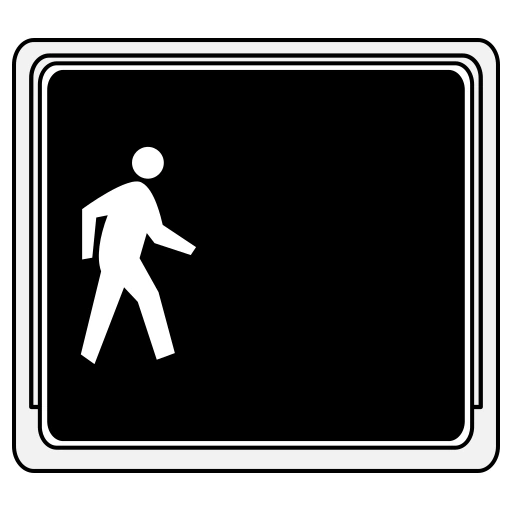 A Pedestrian SignalTry this question
 A Directional Traffic LightTry this question
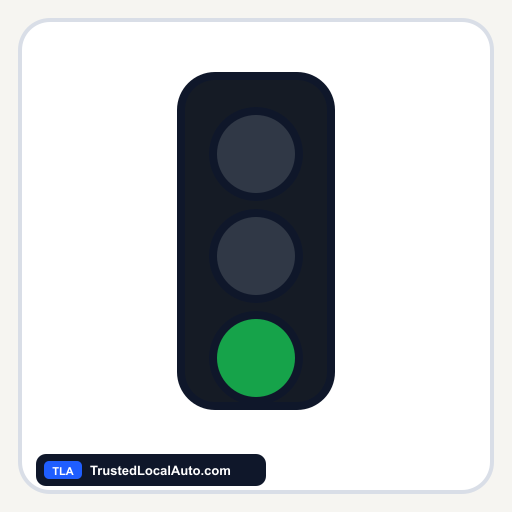 Entering on a Green LightTry this question
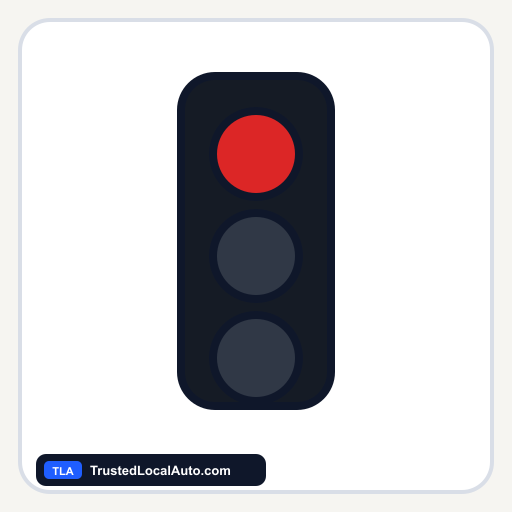 Facing a Traffic SignalTry this question
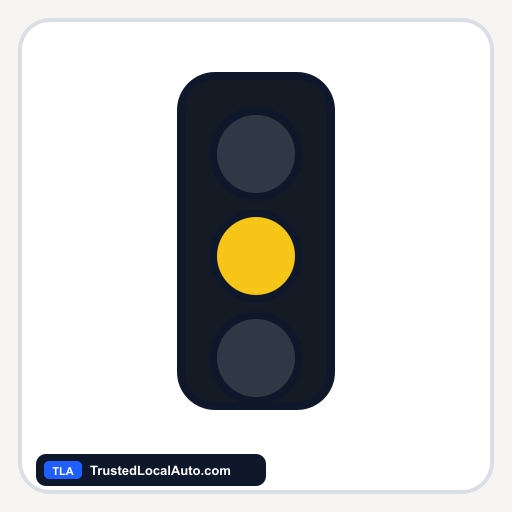 A Signal Changes on ApproachTry this question
- Green arrow and a driver going straight HardTry this question
- Overhead lane signal with a red X HardTry this question
- Red left arrow HardTry this question
- Red light with flash marks HardTry this question
- Steady red with no painted line HardTry this question
8 situation questions
Situations on the road
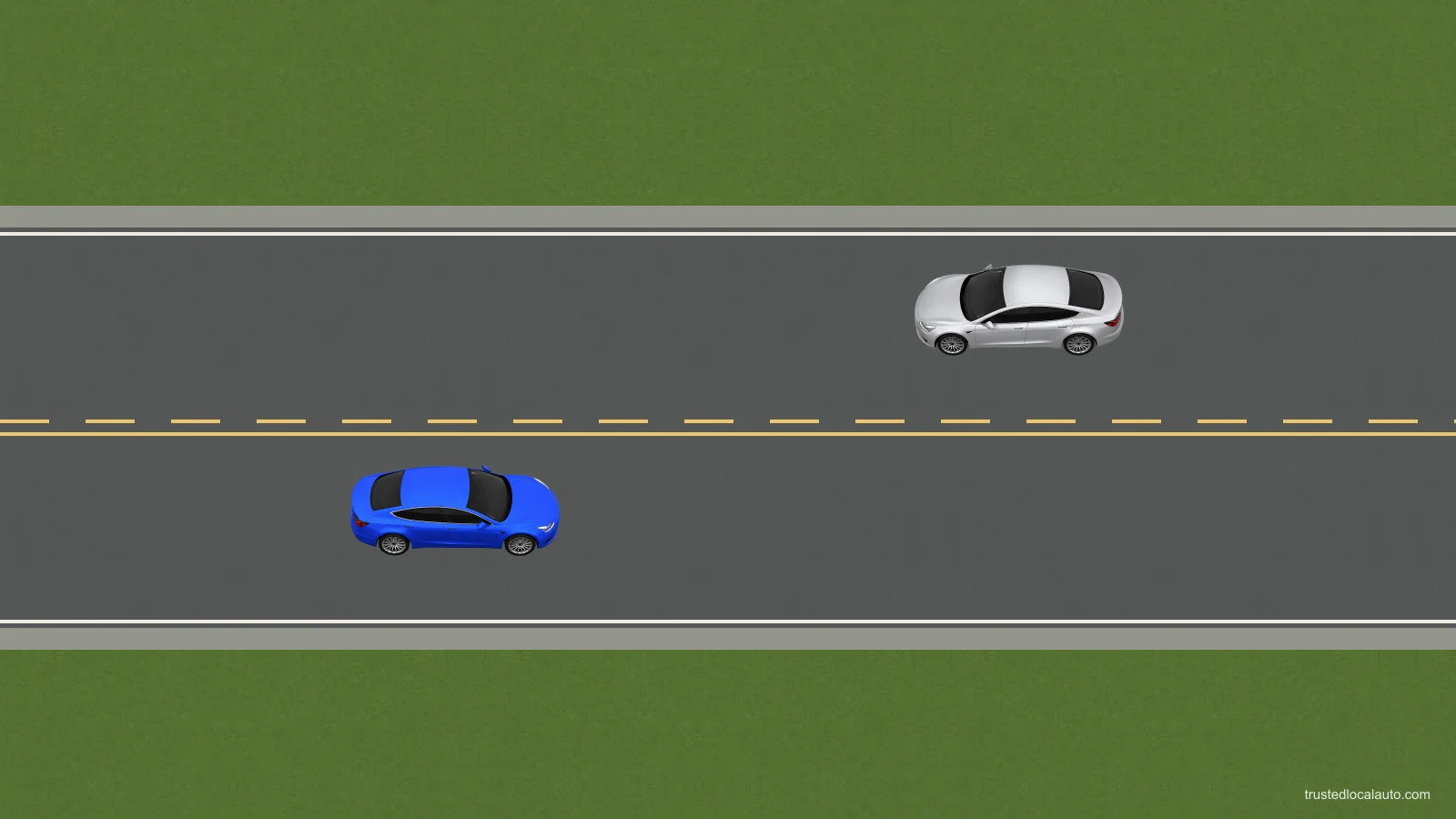 Two Centre-Line PatternsA solid yellow line runs beside a broken yellow line on a Québec road. For an ordinary pass of another car, what does having the broken line on your side mean?Try this question
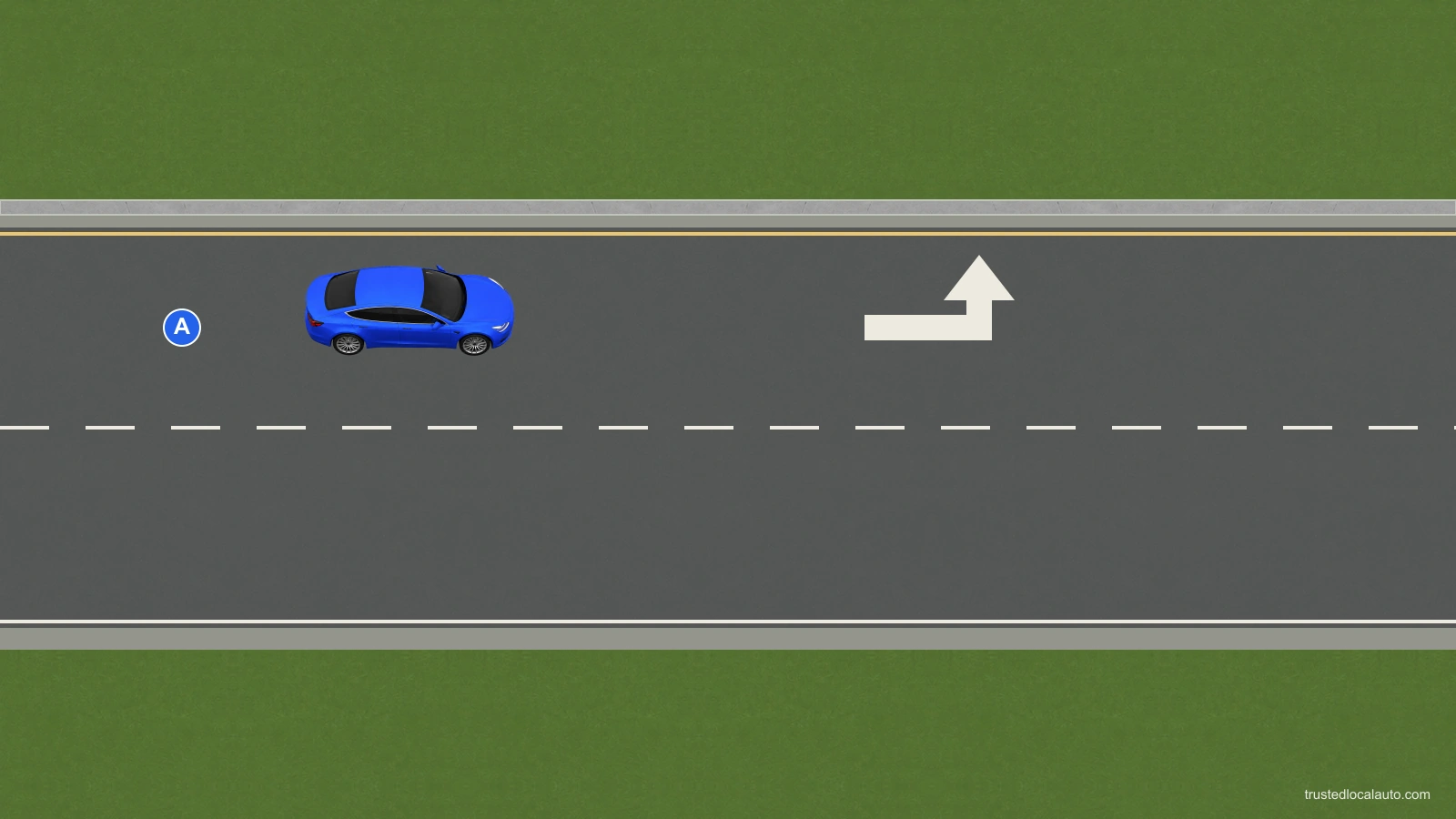 Arrows Painted in a LaneWhat do white directional arrows painted in a Québec traffic lane tell drivers?Try this question
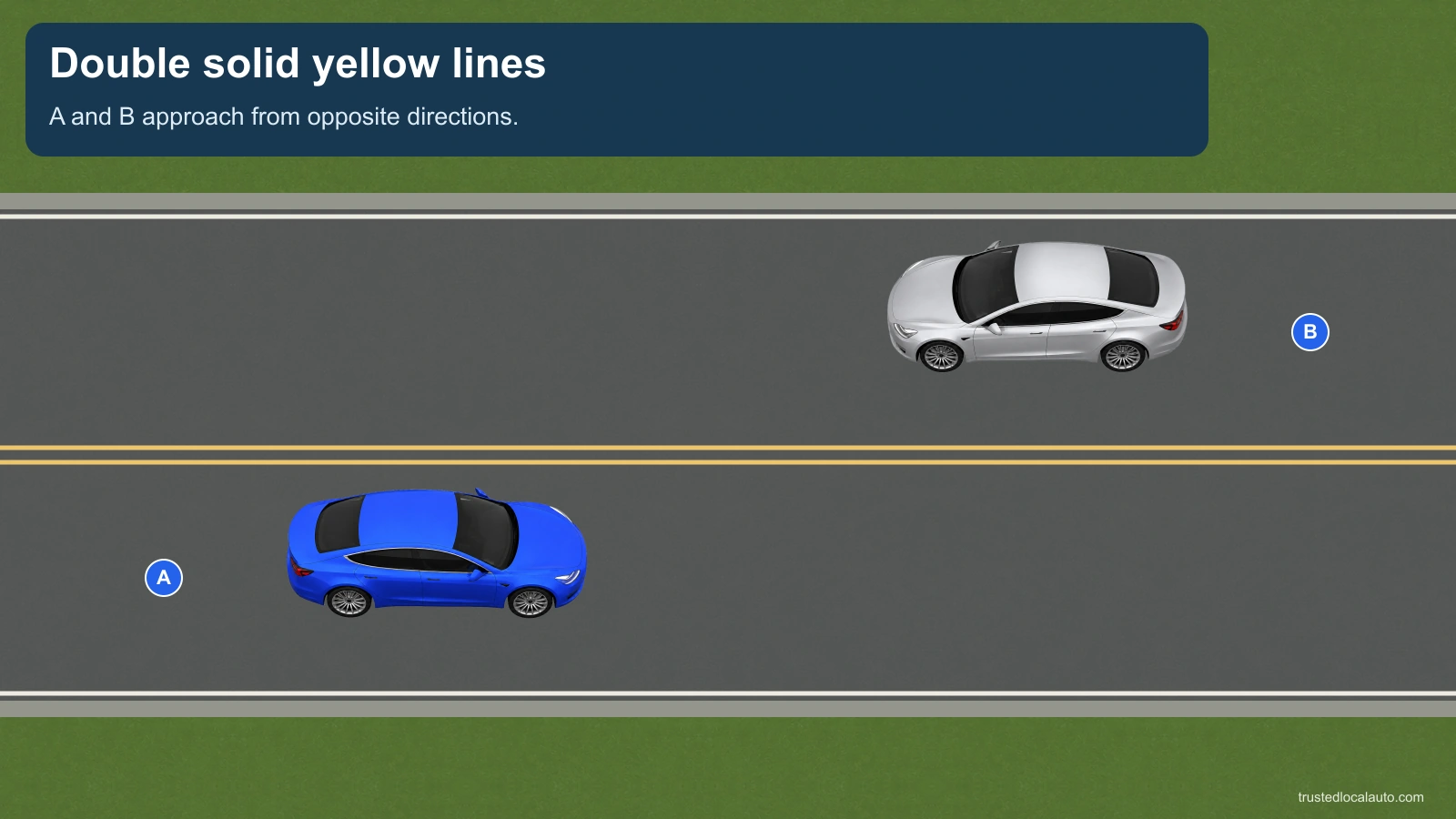 Passing at a Centre LineTwo solid yellow lines separate opposing traffic on a Québec road. May a driver cross them for an ordinary pass of another passenger car?Try this question
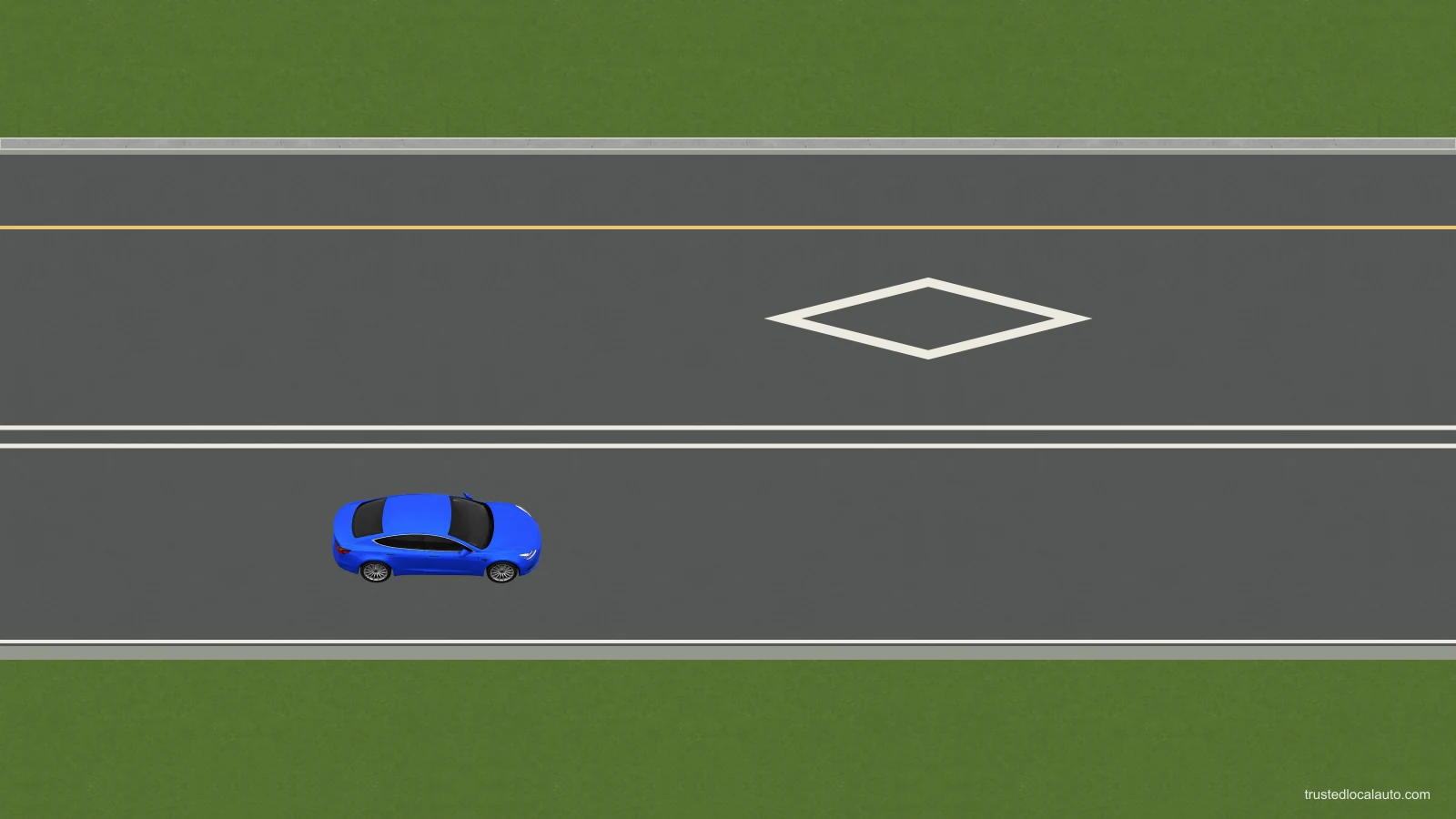 A Symbol Painted in a LaneWhat does an elongated white diamond painted in a Québec traffic lane indicate?Try this question
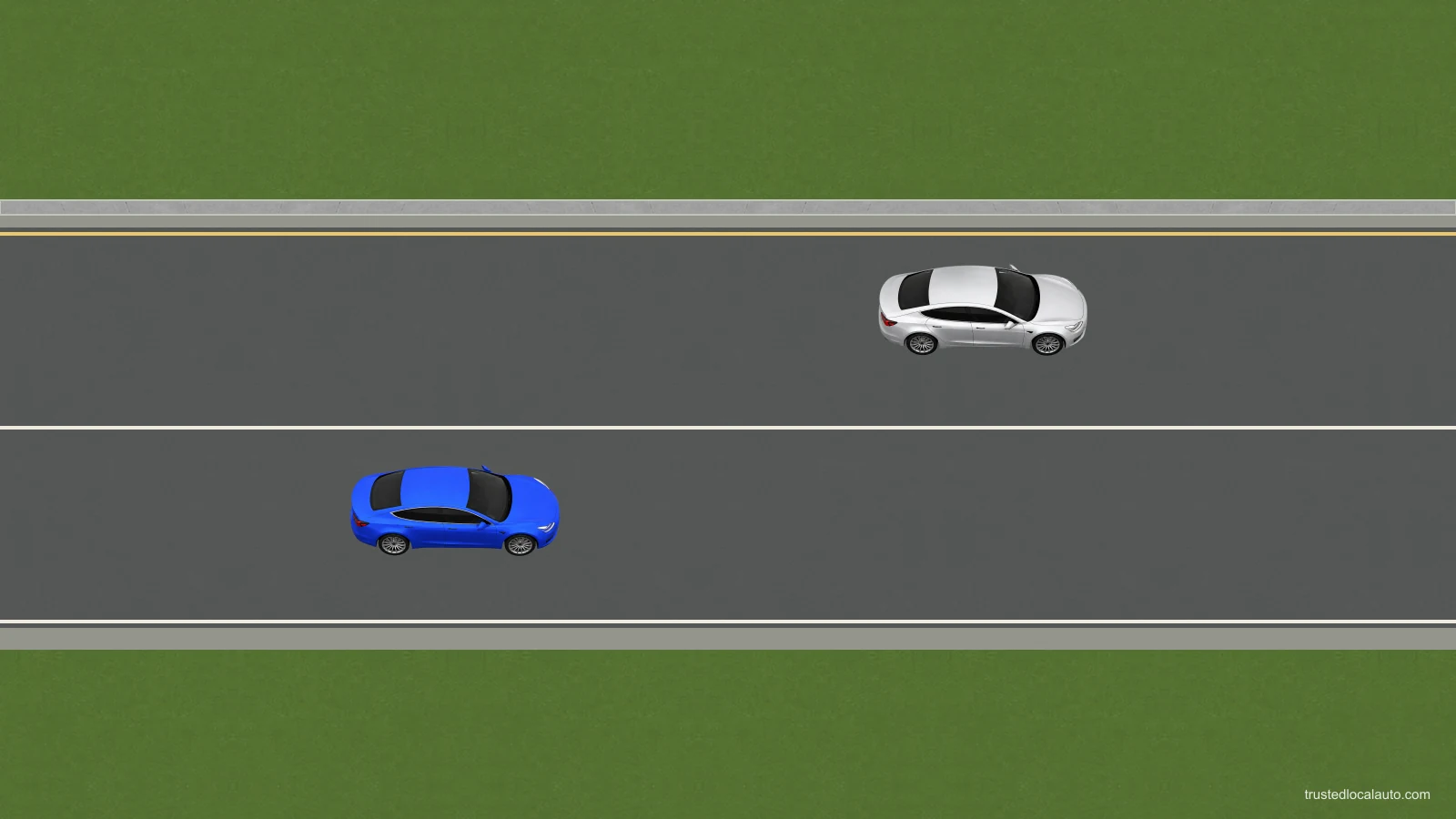 A Solid Lane SeparatorYou are driving beside a solid white line separating two same-direction lanes in Québec. No specific legal exception applies. May you cross it for an ordinary lane change?Try this question
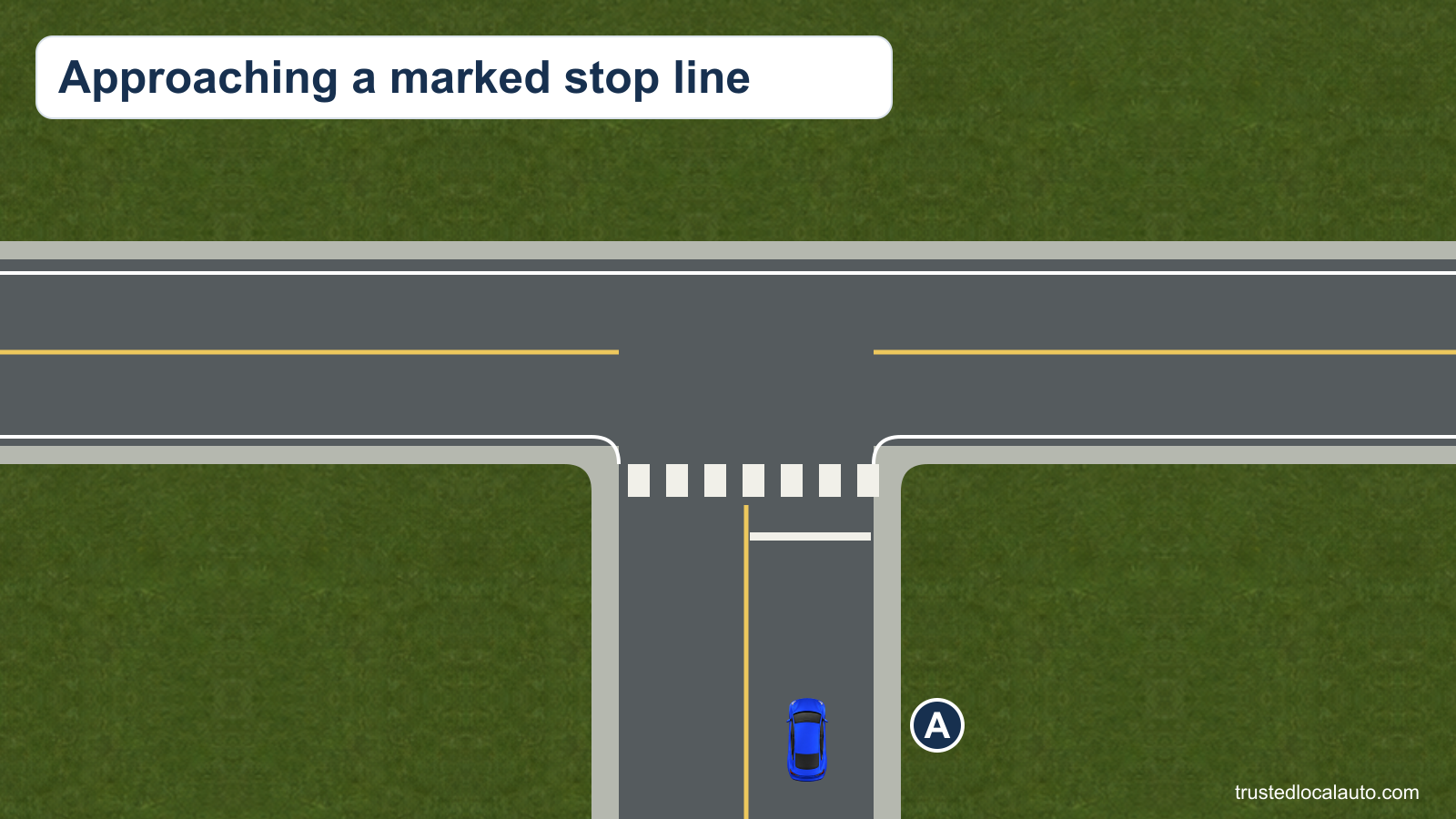 A Transverse Road MarkingWhen a Québec intersection requires you to stop and has a marked white stop line, where must the front of your vehicle remain?Try this question
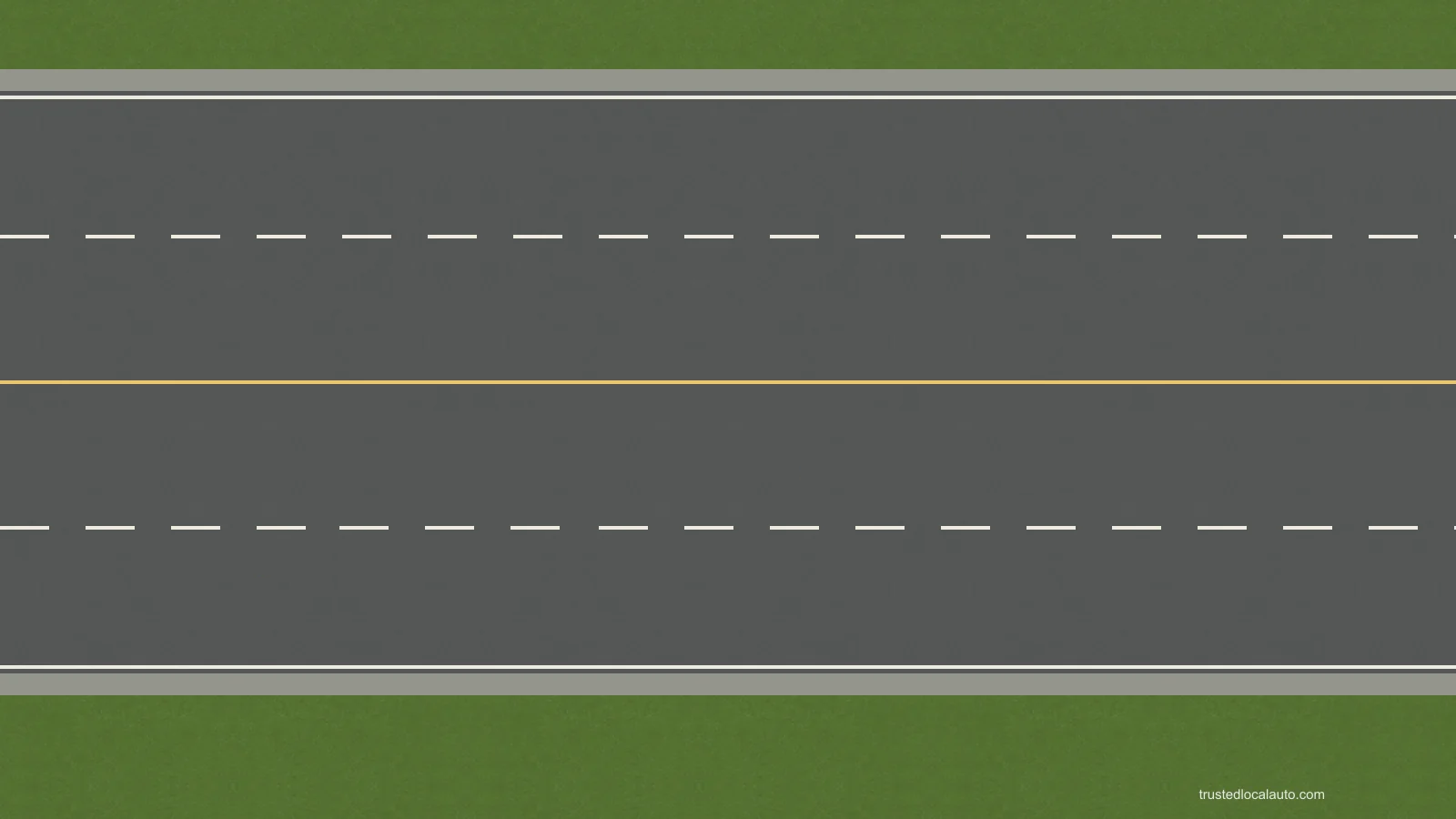 Separating Traffic LanesWhat do white lines between adjacent traffic lanes generally indicate on a Québec road?Try this question
- Road-Line ColoursOn a Québec road, what does a yellow centre line between traffic lanes generally separate?Try this question
5 text questions
More questions in this topic
- Two solid yellow lines separate opposing traffic on a Québec road. You want to turn left into a private driveway across those lines. Which statement is correct? Hard
- A pedestrian faces a flashing orange hand with a countdown that shows 15 seconds left before the hand becomes steady. The pedestrian needs about 10 seconds to reach the other sidewalk. Which statement is correct? Hard
- On a Québec road, which marking generally separates traffic that travels in opposite directions? Hard
- A solid yellow line and a broken yellow line run side by side at the centre of a Québec road. The solid line is next to your lane; the broken line is on the far side. You want to make an ordinary pass of another car. Which statement is correct? Hard
- An elongated white diamond is painted in a lane, and double broken white lines mark the edges of that lane. What does this tell you? Hard
Quebec Class 5
More Class 5 topics
Road rules · 11 topics
- Licensing & Test Readiness30 questions
- Observation, Speed & Space27 questions
- Intersections & Right-of-Way26 questions
- Turns, Lanes, Passing & Merging26 questions
- Parking, Reversing & Roadside Stops27 questions
- Sharing the Road28 questions
- Freeways & High-Speed Roads28 questions
- School Zones, Railways & Work Areas28 questions
- Weather, Visibility & Emergencies26 questions
- Vehicle Safety, Documents & Towing28 questions
- Safe & Responsible Driving29 questions
Each question page shows the answer, the explanation and the official source of the question.