
U.S. Road Signs and What They Mean
93 common signs from the federal Manual on Uniform Traffic Control Devices (MUTCD), which all states use. Select a sign to answer its practice question and read the explanation.
Regulatory signs
These signs give rules that you must obey. Most are white rectangles or squares. STOP and YIELD have their own shapes.
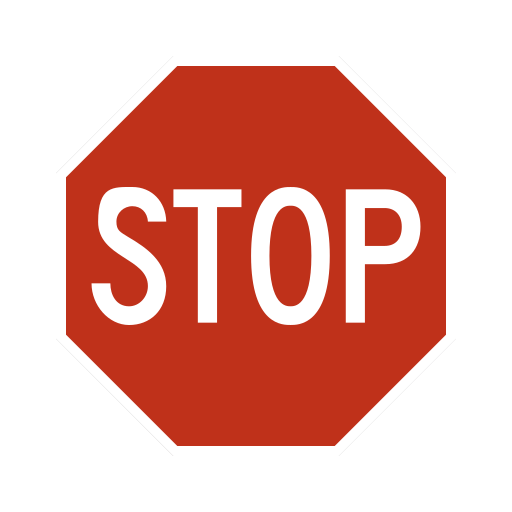 StopCome to a full stop. Then go when the way is clear.
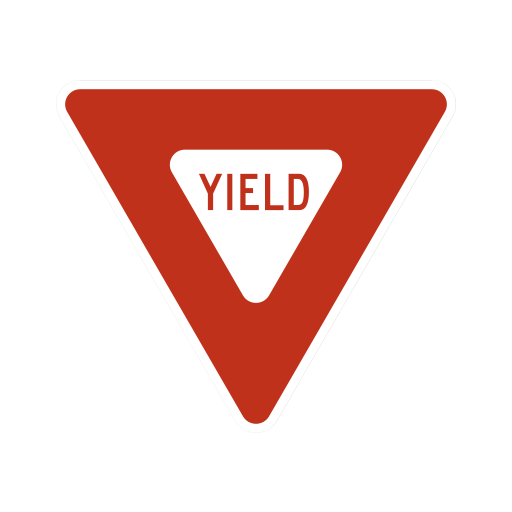 YieldSlow down and let traffic on the other road go first. Stop if necessary.
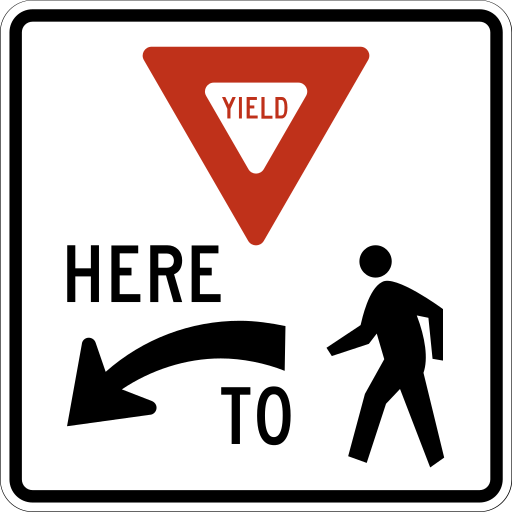 Yield Here to PedestriansYield to people on foot at this point, back from the crosswalk.
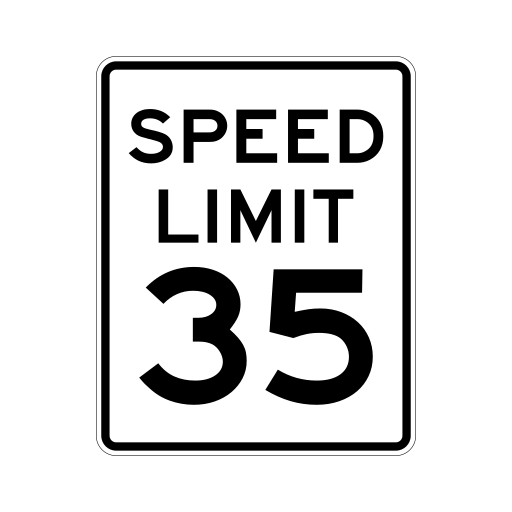 Speed LimitThis is the maximum legal speed on this road, in miles per hour.
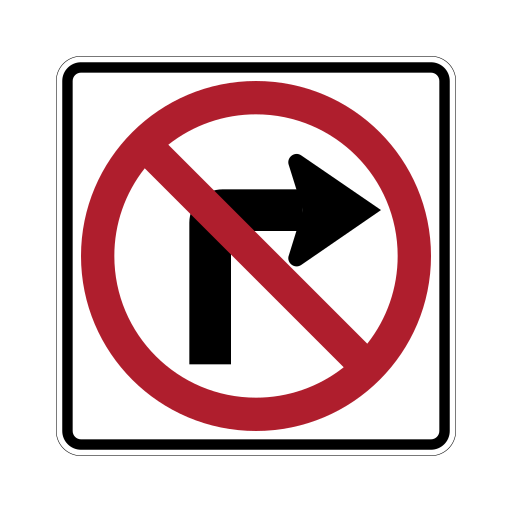 No Right TurnDo not turn right at this intersection.
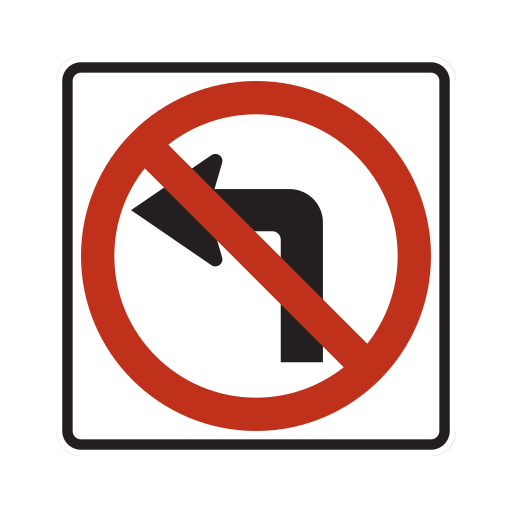 No Left TurnDo not turn left at this intersection.
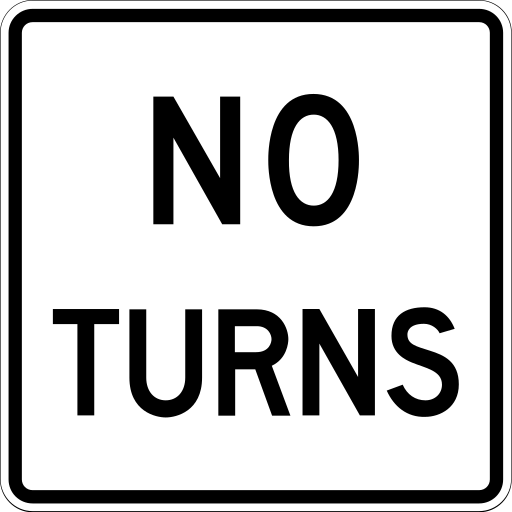 No TurnsDo not turn left or right at this intersection.
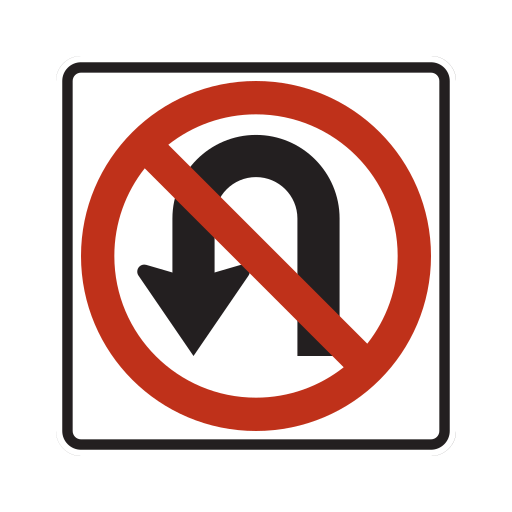 No U-TurnDo not make a U-turn here.
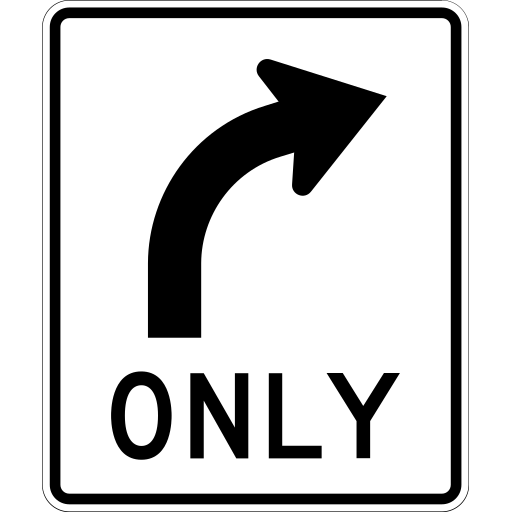 Turn Only LaneTraffic in this lane must turn in the direction of the arrow.
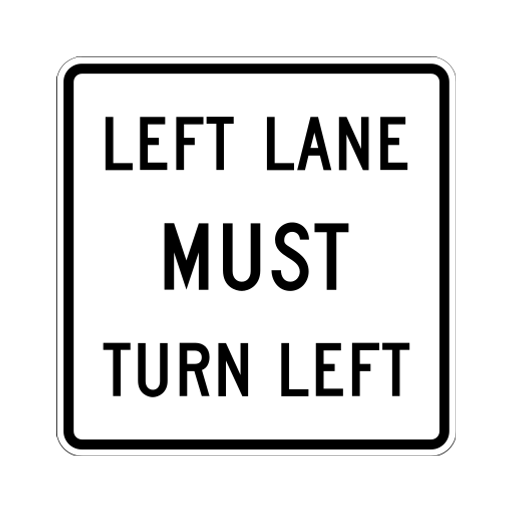 Left Lane Must Turn LeftIf you are in the left lane, you must turn left.
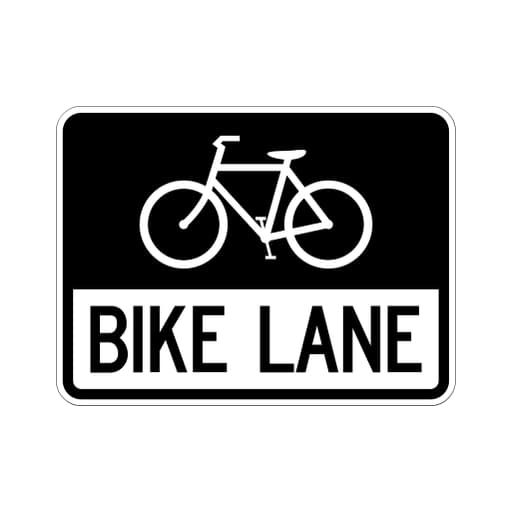 Bike LaneA marked lane on this road is for bicycles.
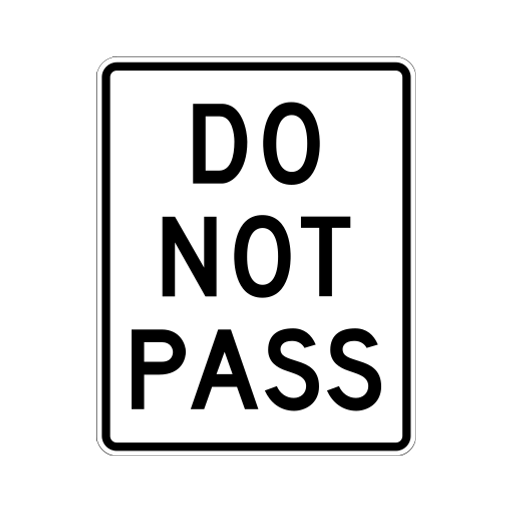 Do Not PassDo not pass other vehicles on this part of the road.
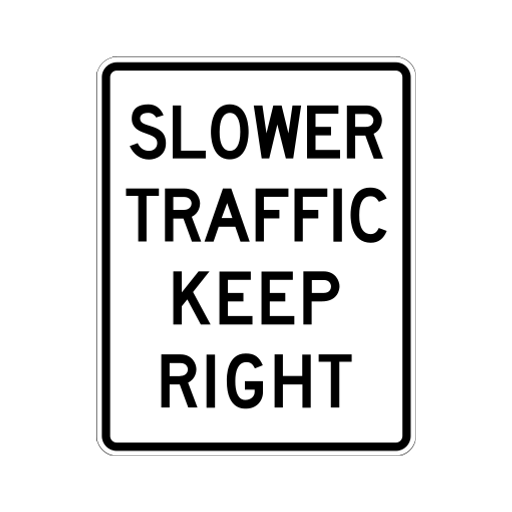 Slower Traffic Keep RightIf you drive slower than other traffic, use the right lane.
 Keep RightKeep to the right of the island or object ahead.
 Keep Right Except to PassDrive in the right lane. Use the left lane to pass.
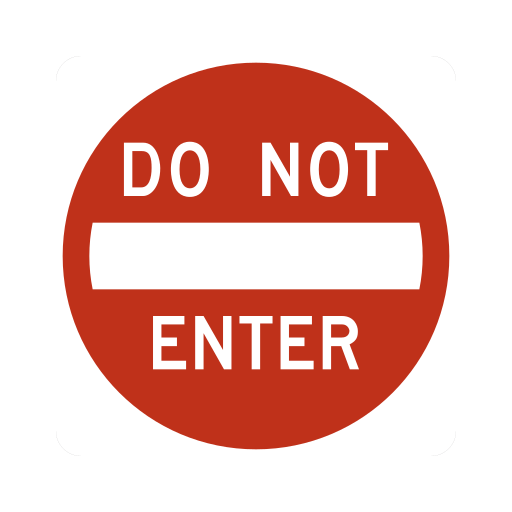 Do Not EnterDo not drive into this road or ramp from this direction.
 Wrong WayYou drive against traffic on a one-way road or ramp.
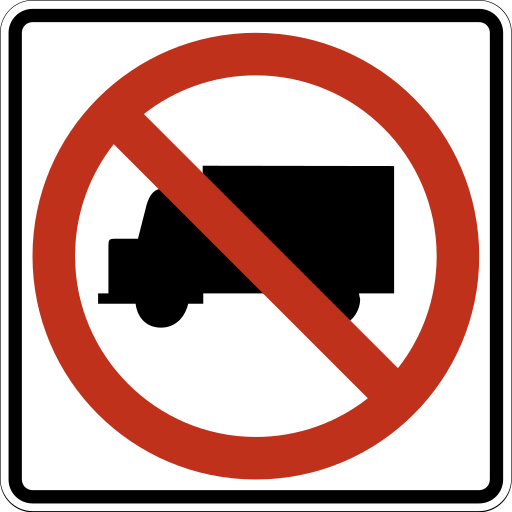 No TrucksTrucks may not use this road.
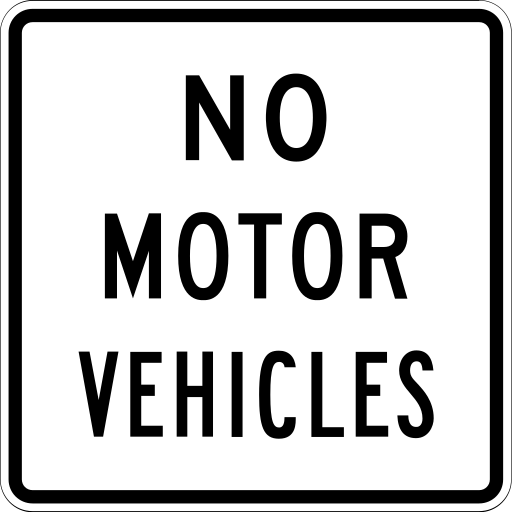 No Motor VehiclesCars, trucks and motorcycles may not use this road or path.
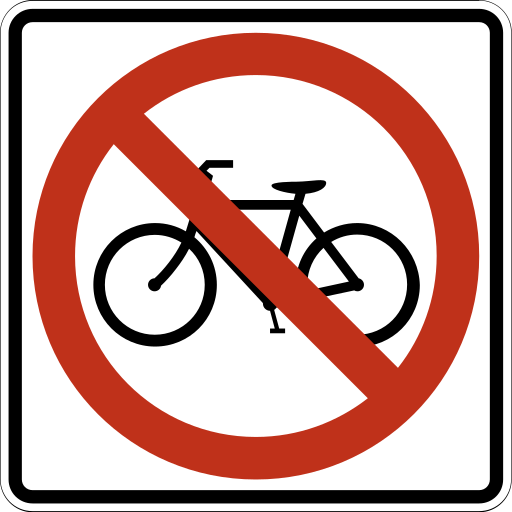 No BicyclesBicycles may not use this road.
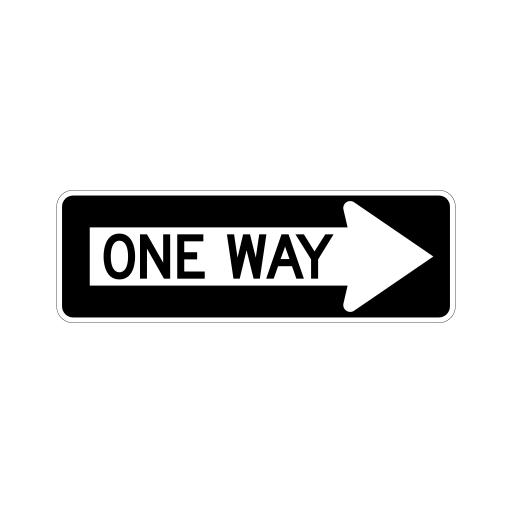 One Way (horizontal)Traffic on this street moves in the direction of the arrow.
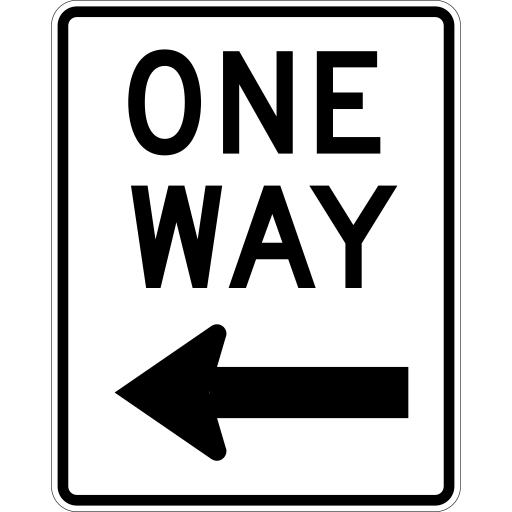 One Way (vertical)Traffic on this street moves in the direction of the arrow.
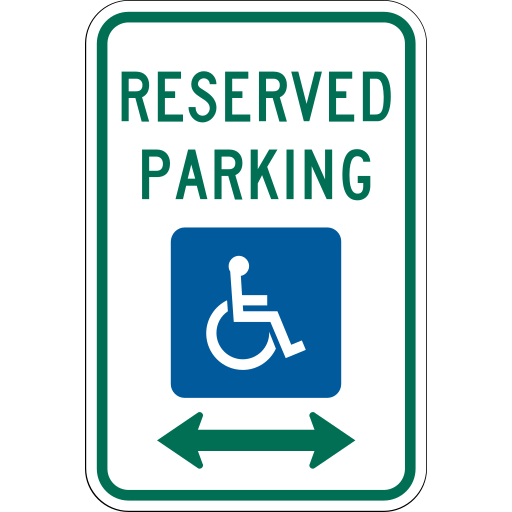 Accessible ParkingThis parking space is for vehicles with a disability parking permit.
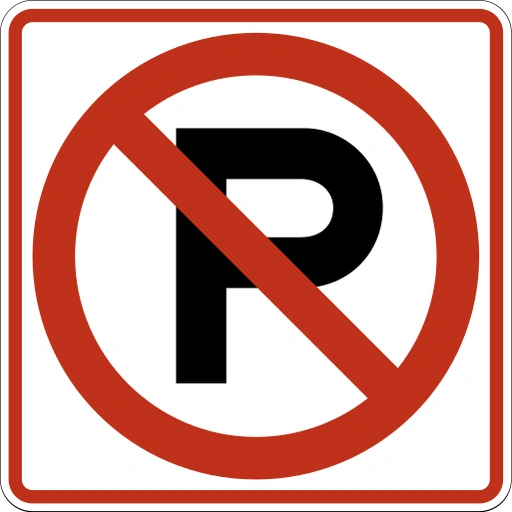 No ParkingDo not park where this sign applies.
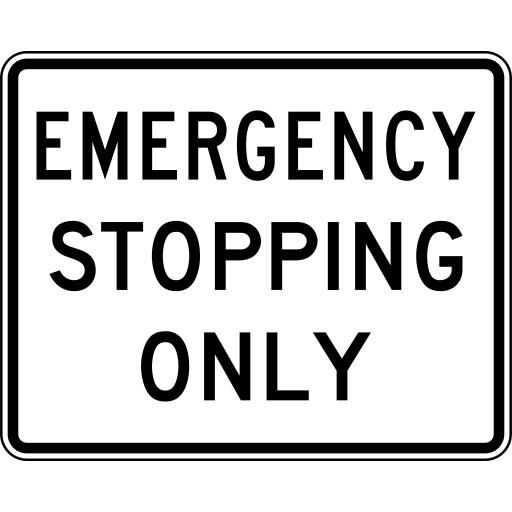 Emergency Stopping OnlyStop here only for an emergency, such as a breakdown.
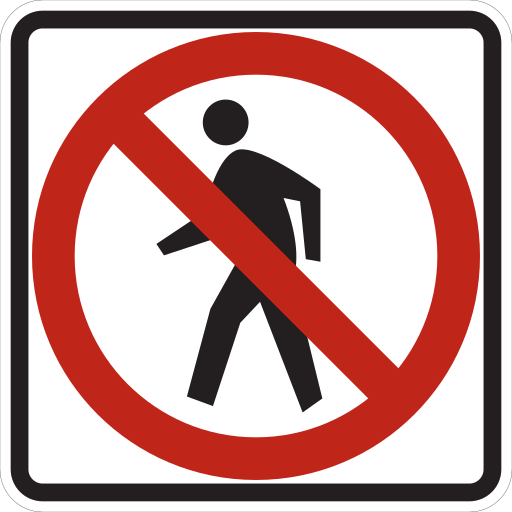 No Pedestrian CrossingPeople on foot may not cross the road here.
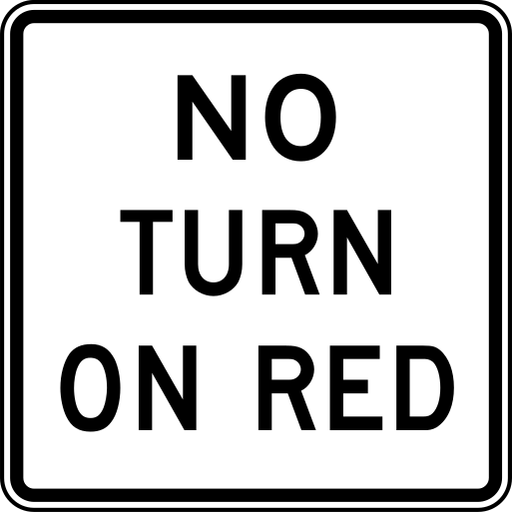 No Turn on RedDo not turn while the signal shows a red light.
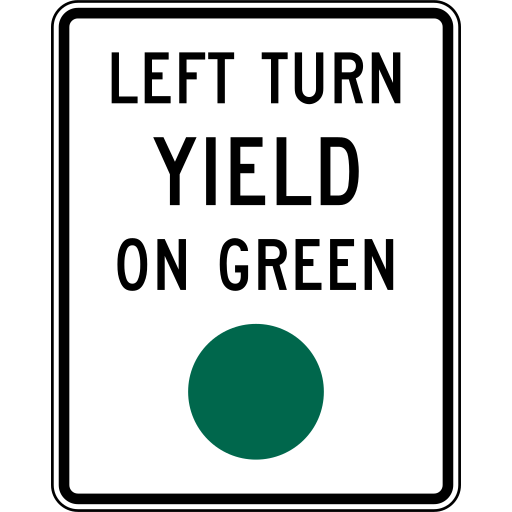 Left Turn Yield on GreenOn a green circle, you may turn left after you yield to oncoming traffic.
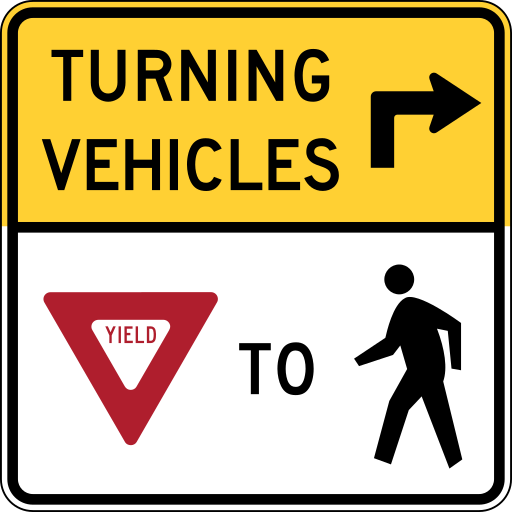 Turning Vehicles Yield to PedestriansWhen you turn, yield to people on foot who cross the street that you turn onto.
Warning signs
These signs warn of a hazard or a change in the road ahead. Most are yellow diamonds.
 TurnThe road turns sharply ahead in the direction of the arrow. Slow down before the turn.
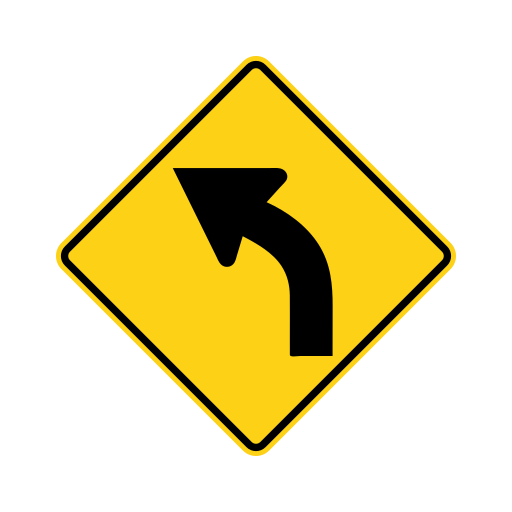 CurveThe road ahead curves in the direction of the arrow.
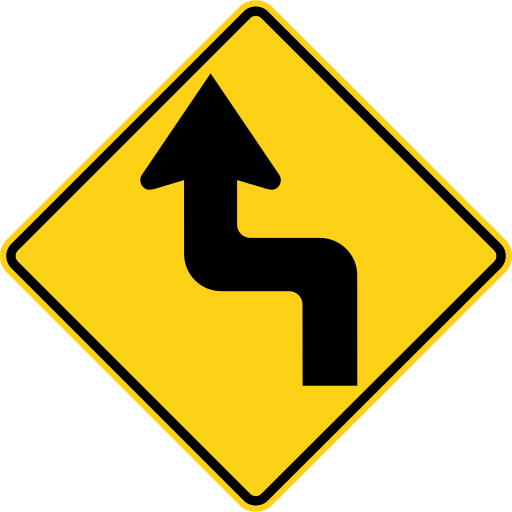 Reverse TurnTwo sharp turns in opposite directions are close together ahead.
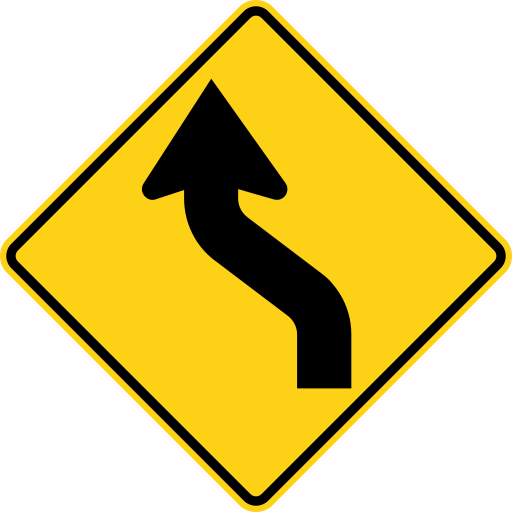 Reverse CurveThe road ahead curves one way and then back the other way.
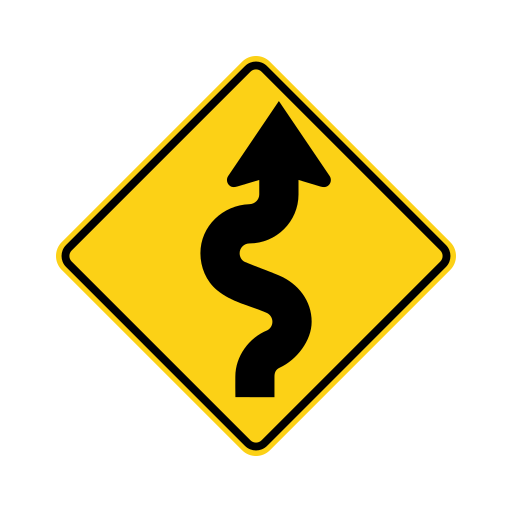 Winding RoadThree or more curves are close together on the road ahead.
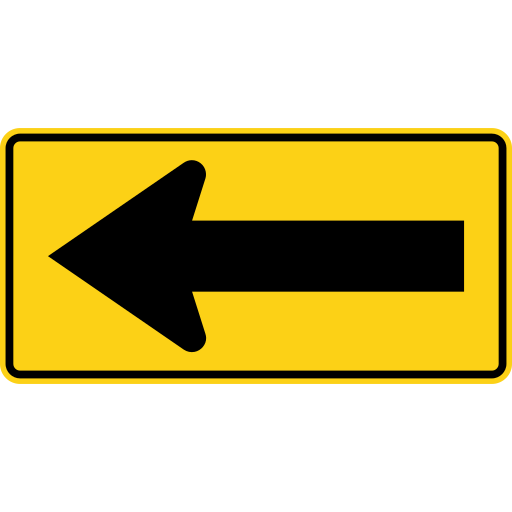 One-Direction Large ArrowThe road changes direction sharply here. Follow the arrow.
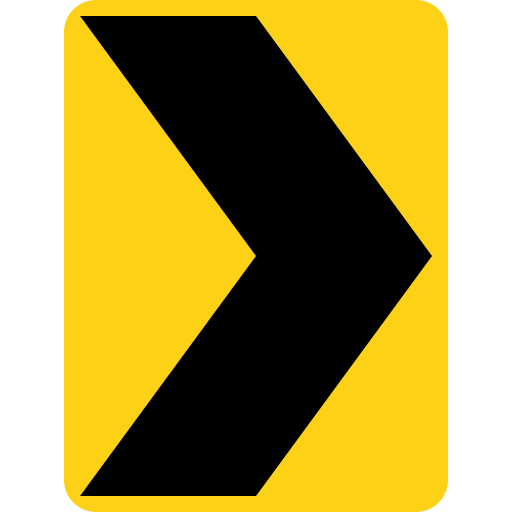 Chevron AlignmentThis sign marks the outside of a curve. The chevron points in the direction of the curve.
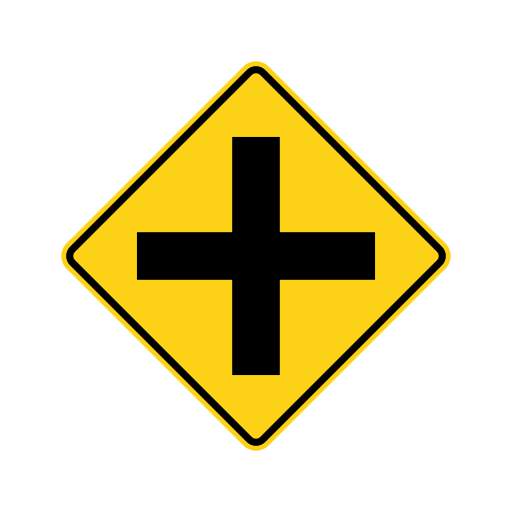 Cross RoadA road crosses your road ahead.
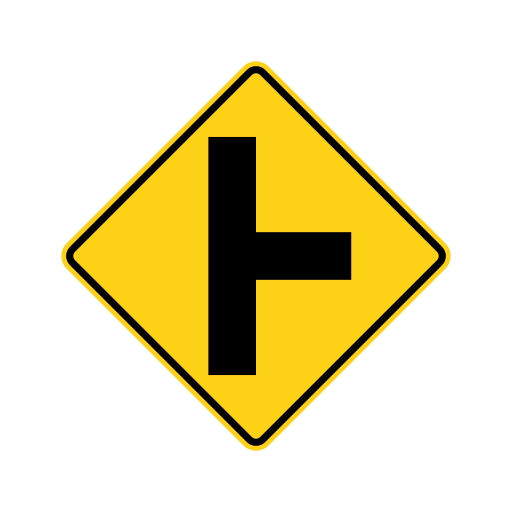 Side RoadA side road joins your road ahead.
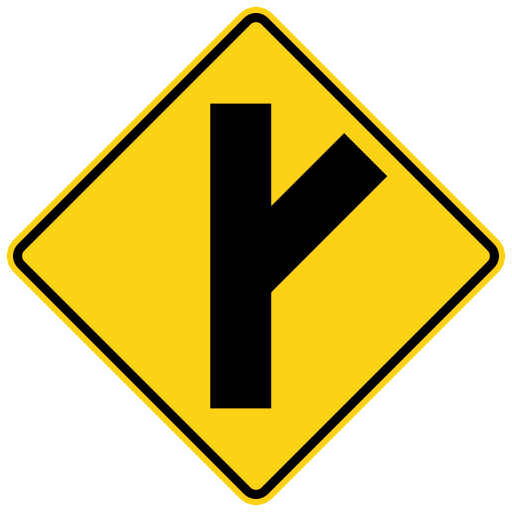 Side Road at an AngleA side road joins your road at an angle ahead.
 T IntersectionYour road ends ahead. You must turn left or right.
 Y IntersectionThe road divides into two roads ahead.
 Circular IntersectionA roundabout or traffic circle is ahead.
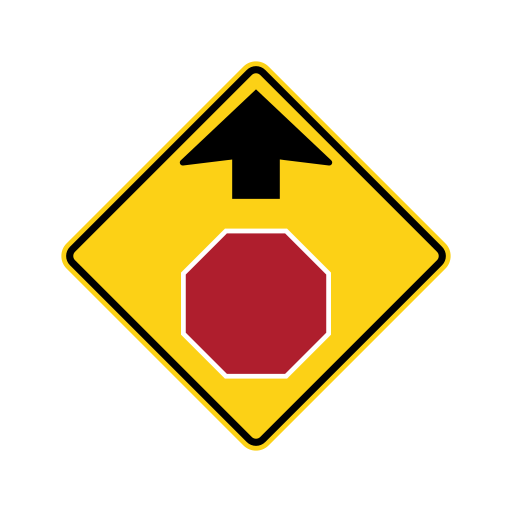 Stop AheadA STOP sign is ahead. Be ready to stop.
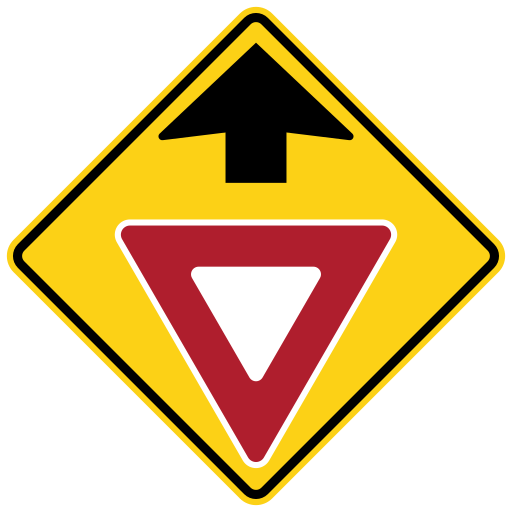 Yield AheadA YIELD sign is ahead. Be ready to slow down or stop.
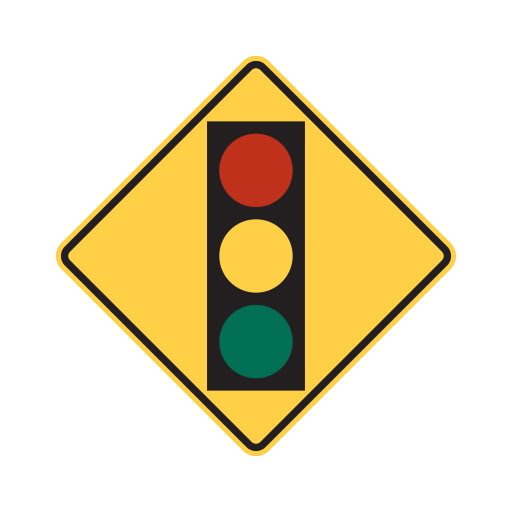 Signal AheadA traffic signal is ahead. Be ready to stop.
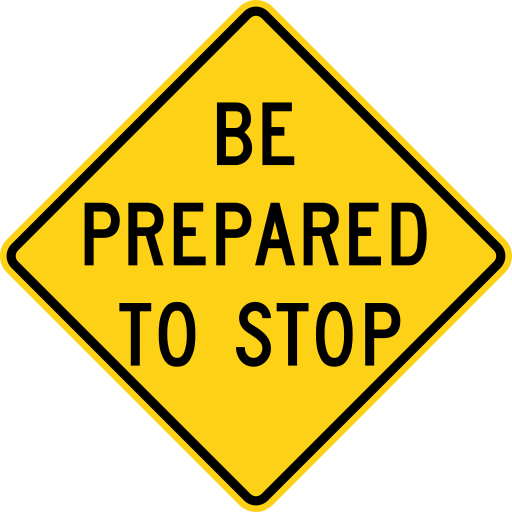 Be Prepared to StopStopped traffic can be ahead. Slow down and be ready to stop.
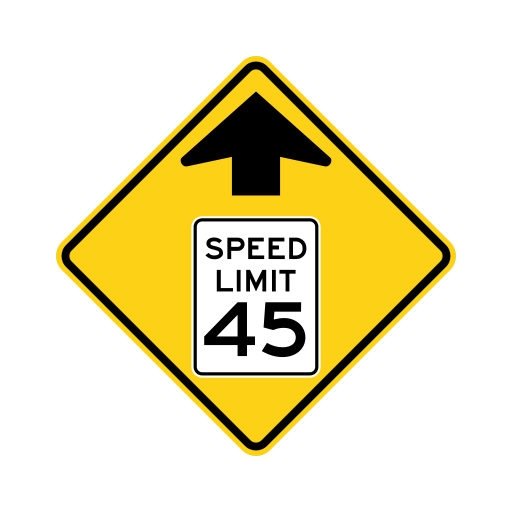 Reduced Speed Limit AheadA lower speed limit starts ahead.
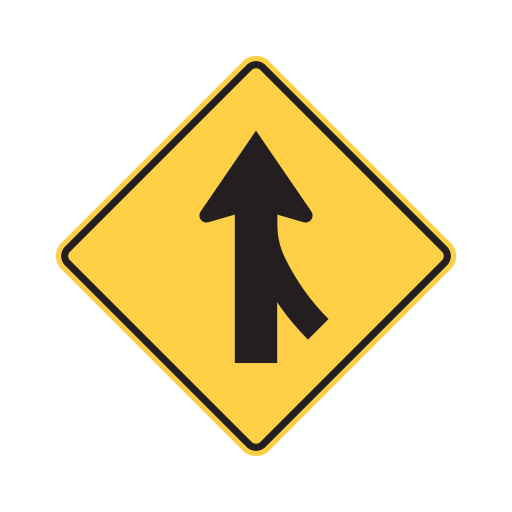 MergeTraffic from another road can move into your lane ahead.
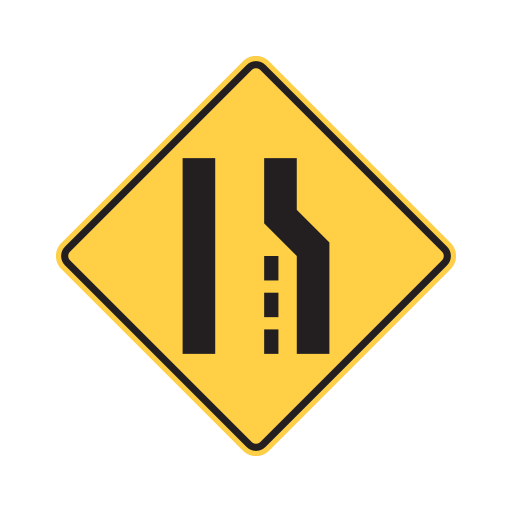 Lane EndsA lane ends ahead. Merge when there is a safe gap.
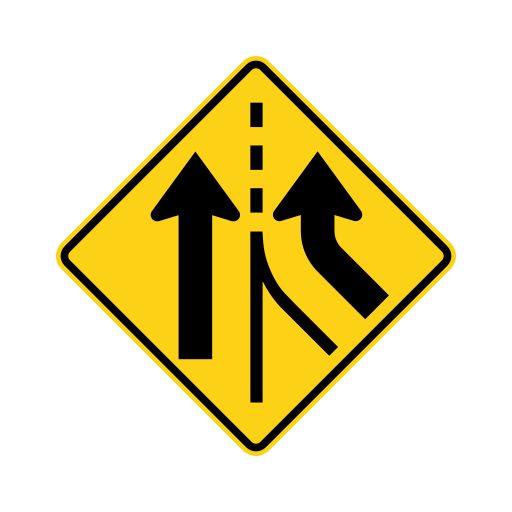 Added LaneA road joins ahead, and its traffic gets its own lane.
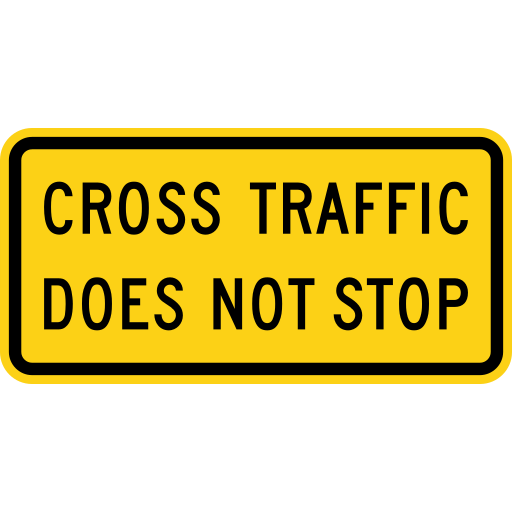 Cross Traffic Does Not StopTraffic on the cross road does not stop. Wait for a safe gap before you go.
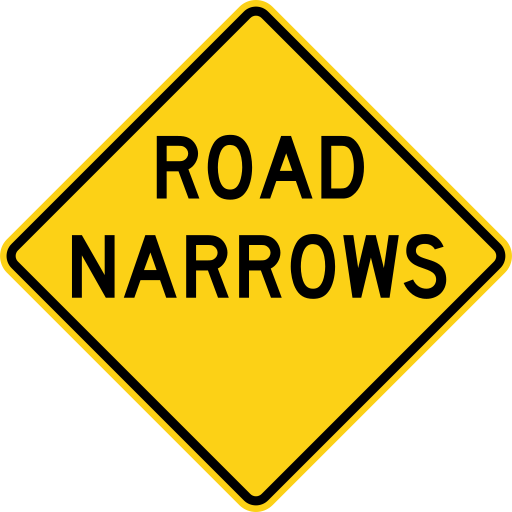 Road NarrowsThe road becomes narrower ahead.
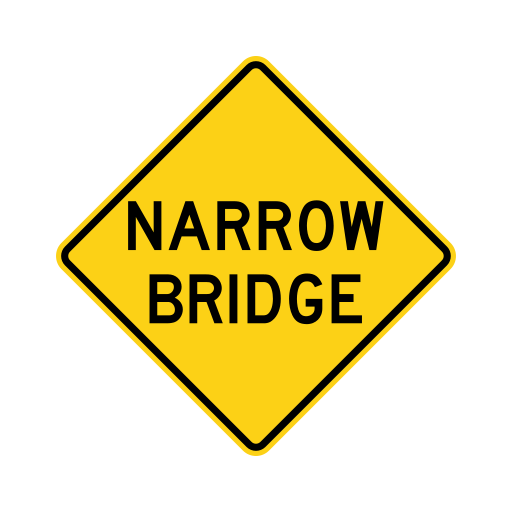 Narrow BridgeThe bridge ahead is narrower than the road.
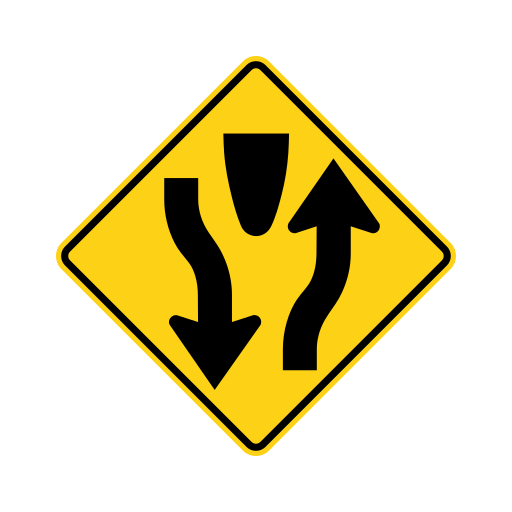 Divided HighwayA divided highway starts ahead. A median separates the two directions.
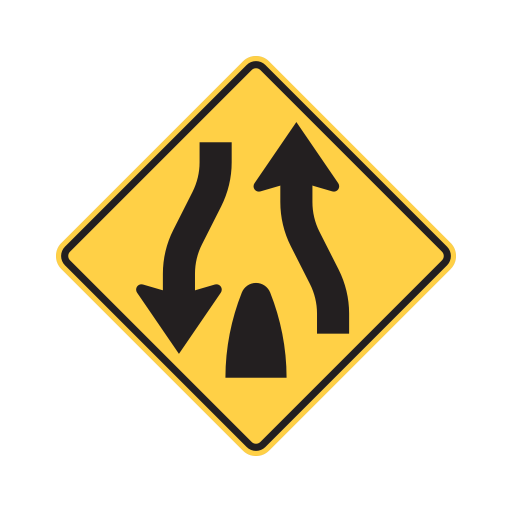 Divided Highway EndsThe divided highway ends ahead. After that, no median separates the two directions.
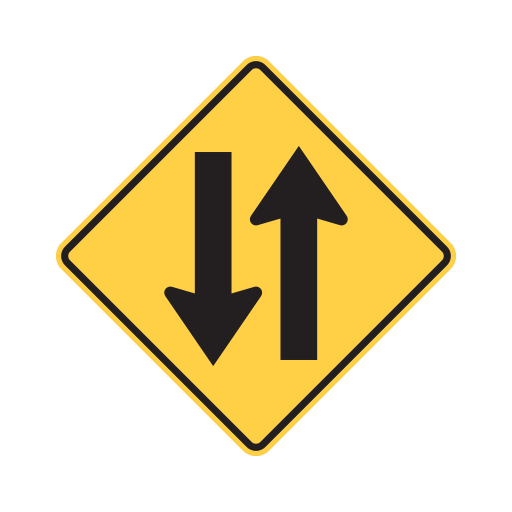 Two-Way TrafficAhead, traffic moves in both directions on the same road.
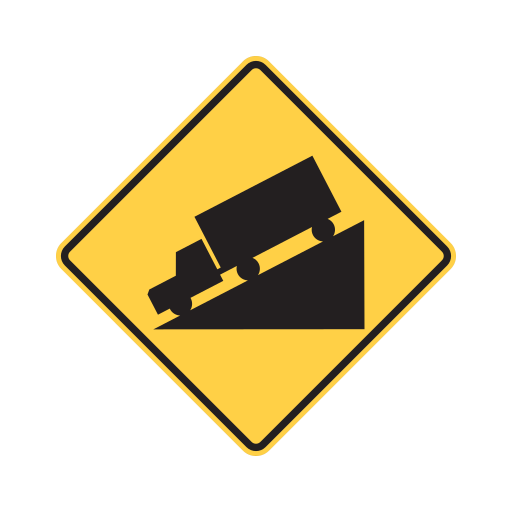 HillA steep downgrade is ahead. Control your speed.
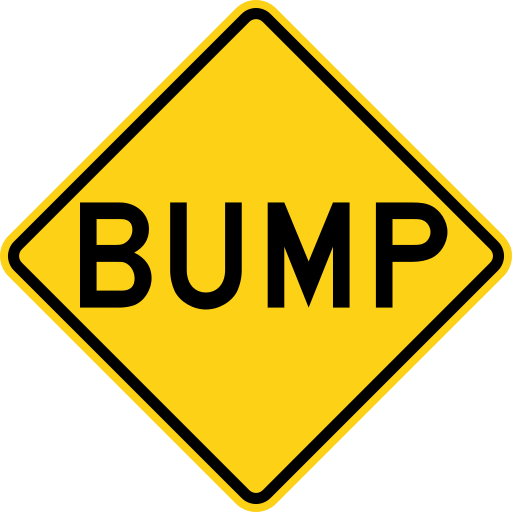 BumpThe road surface has a sharp rise ahead.
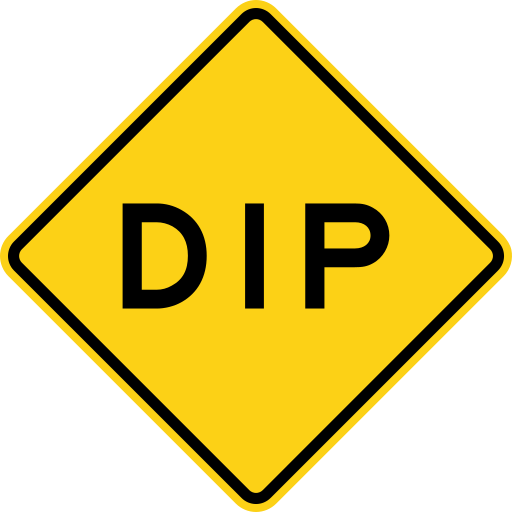 DipThe road surface has a sharp low spot ahead.
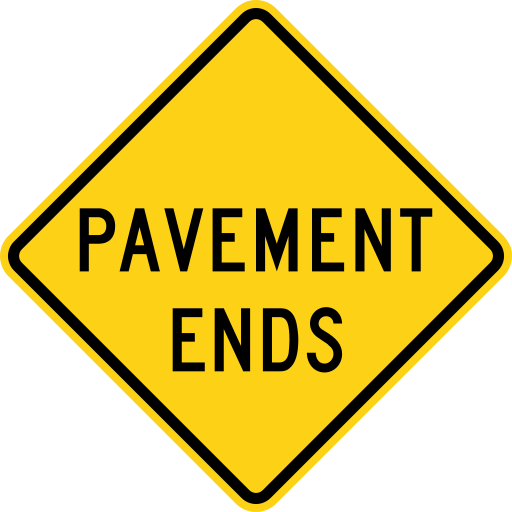 Pavement EndsThe paved surface ends ahead, and a gravel or dirt surface starts.
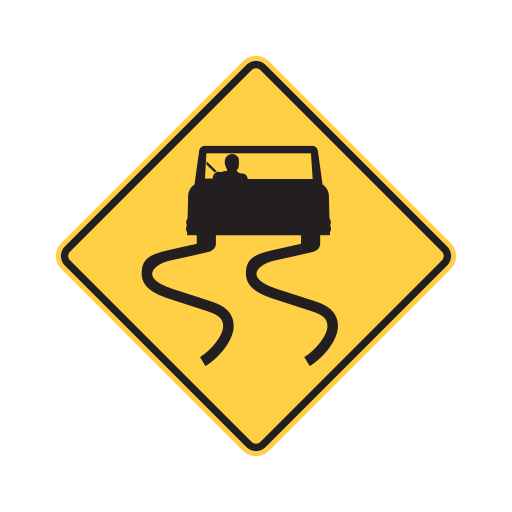 Slippery When WetThe road surface ahead is slippery when it is wet.
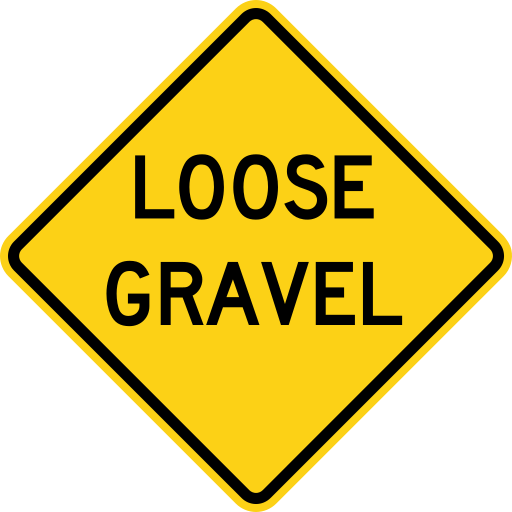 Loose GravelLoose gravel is on the road surface ahead.
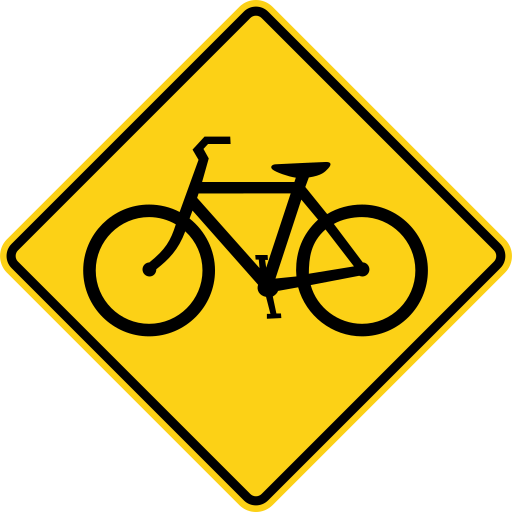 Bicycle WarningBicyclists can be on or cross the road ahead.
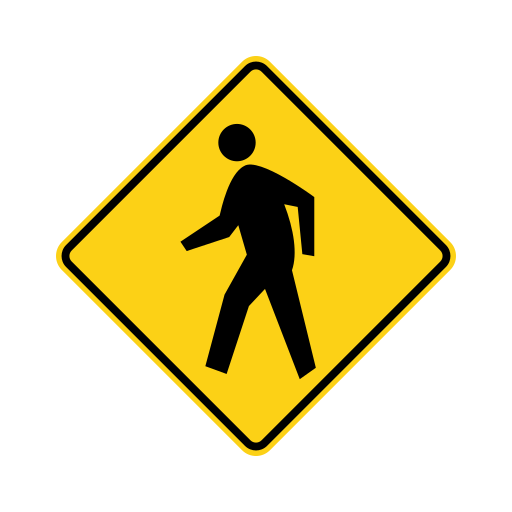 Pedestrian CrossingPeople on foot can cross the road ahead.
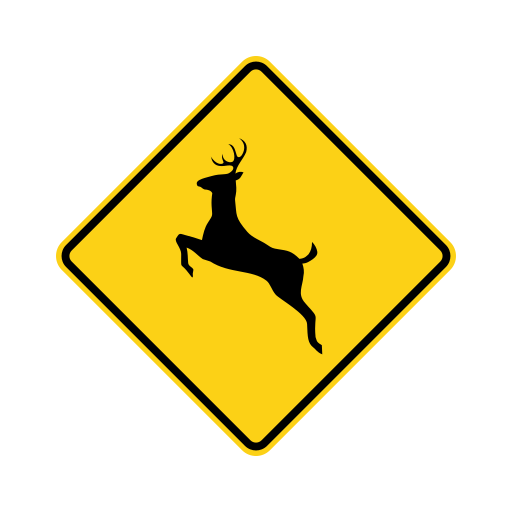 Deer CrossingDeer can cross the road in this area.
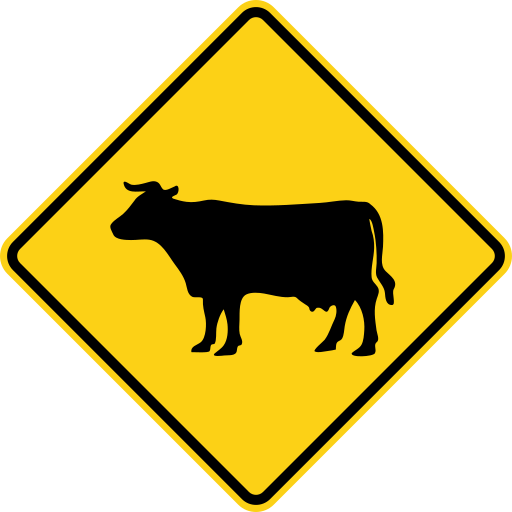 Cattle CrossingCattle can be on or cross the road in this area.
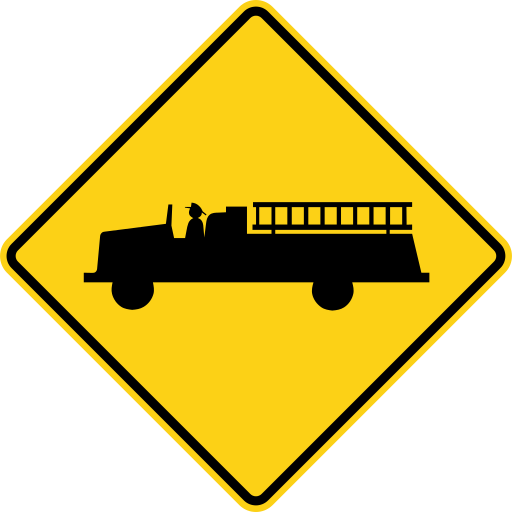 Emergency VehicleFire trucks or other emergency vehicles can enter the road ahead.
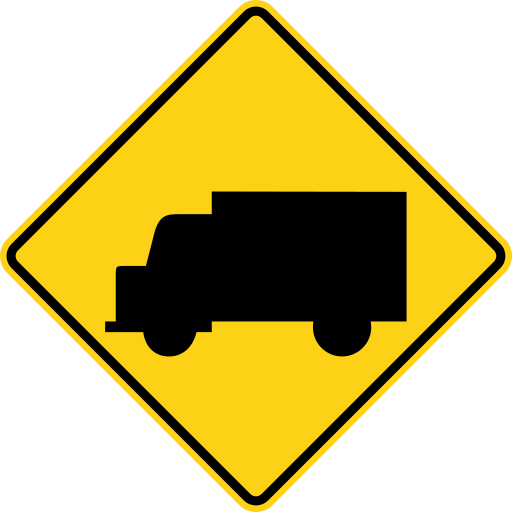 Truck CrossingTrucks can enter or cross the road ahead.
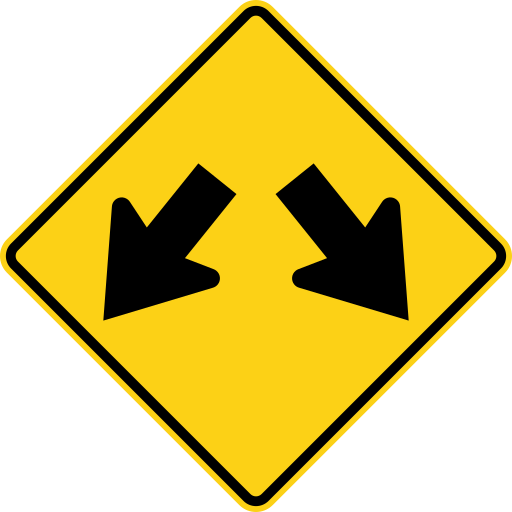 Double ArrowTraffic can pass on either side of the island or object ahead.
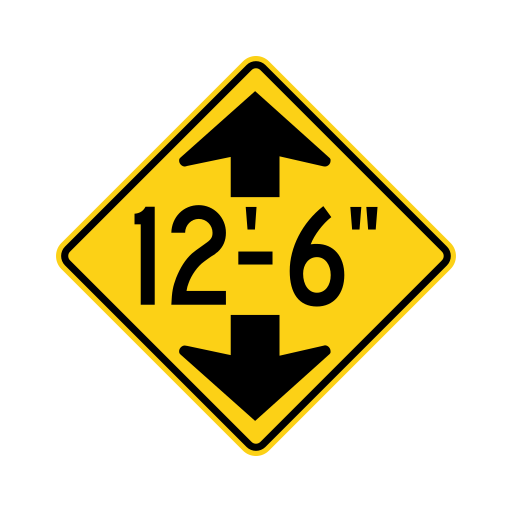 Low ClearanceThe space under the structure ahead has the height that the sign shows.
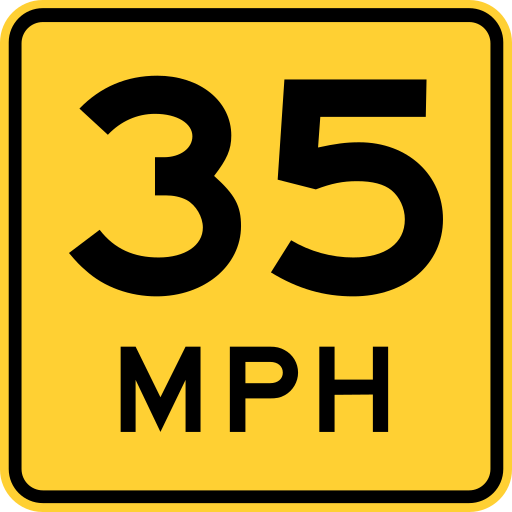 Advisory SpeedThis plaque shows the advisory speed for the curve or hazard ahead. It is not a speed limit.
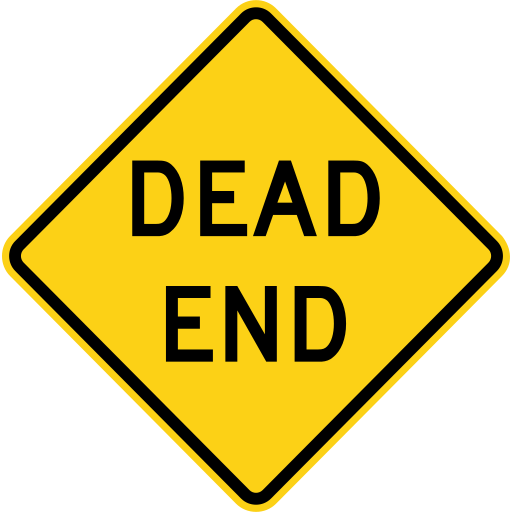 Dead EndThe street ahead ends and does not connect to another street.
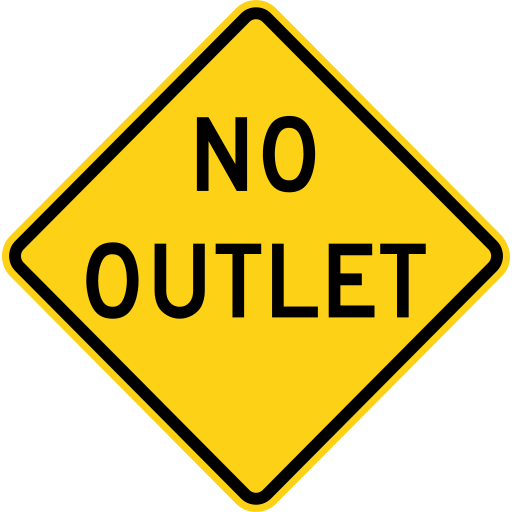 No OutletThe roads past this sign have no other way out.
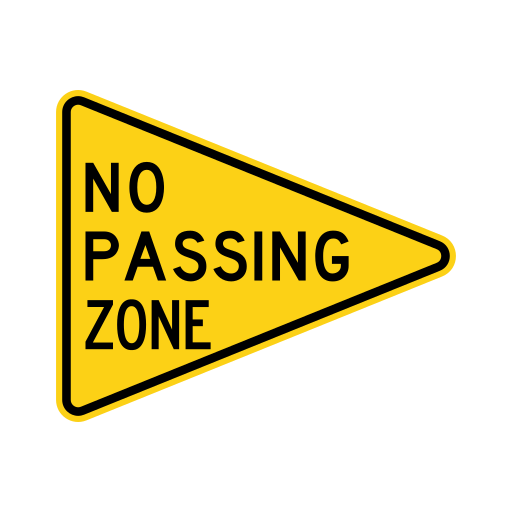 No Passing ZoneA no-passing zone starts here.
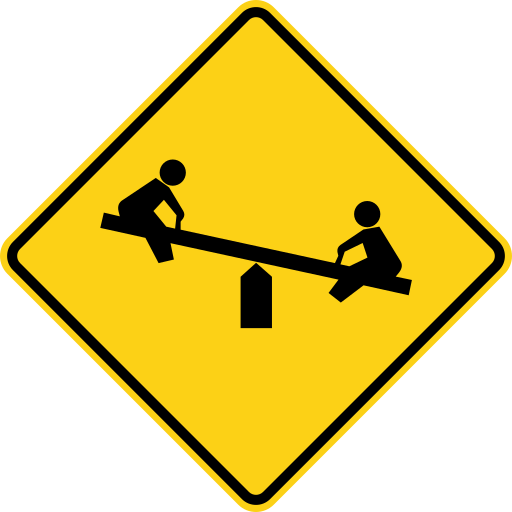 PlaygroundA playground is near. Watch for children.
Work zone signs
These signs mark road work zones. Most are orange.
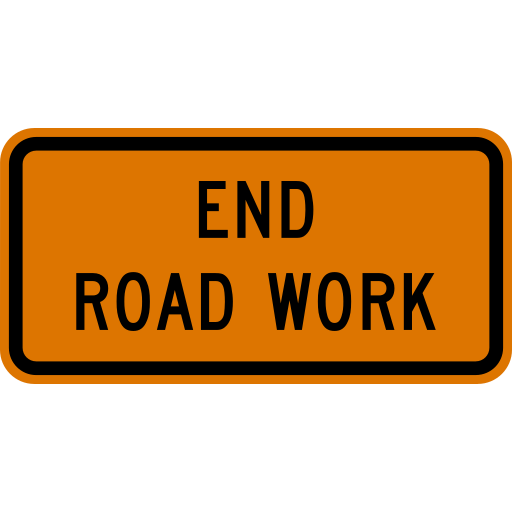 End Road WorkThe work zone ends.
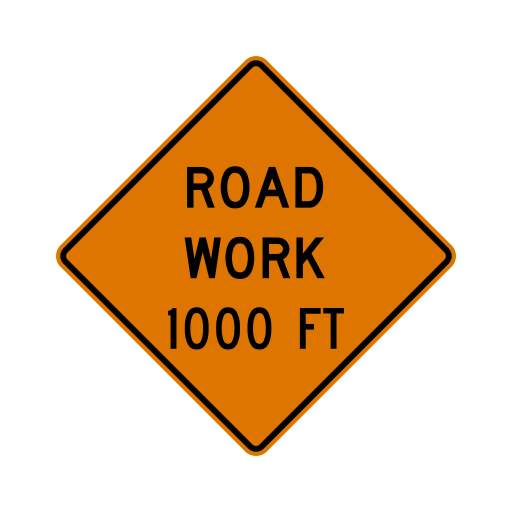 Road Work AheadRoad work is ahead. Be ready for workers, equipment and lane changes.
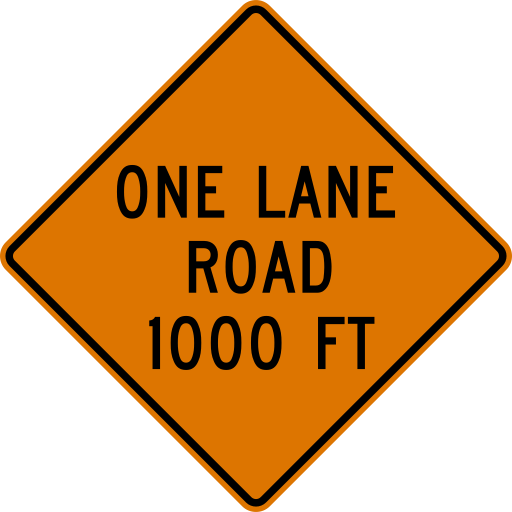 One Lane Road AheadTraffic in both directions must share one lane ahead.
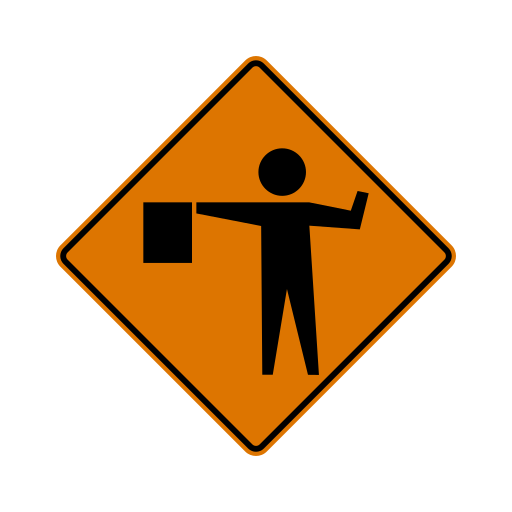 Flagger AheadA flagger controls traffic ahead. Be ready to stop.
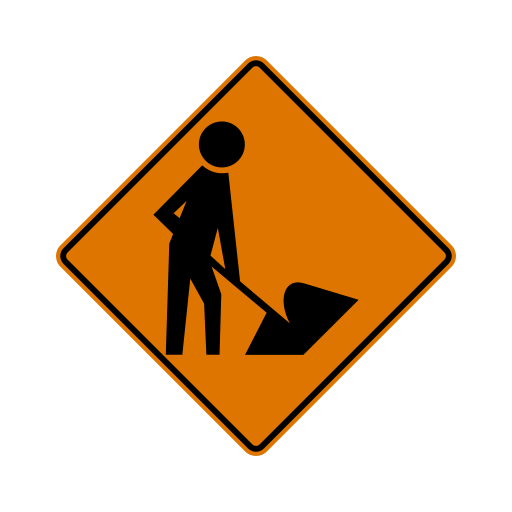 WorkersWorkers are in or near the road ahead.
 Shoulder WorkCrews work on the shoulder ahead. The lanes are open.
School signs
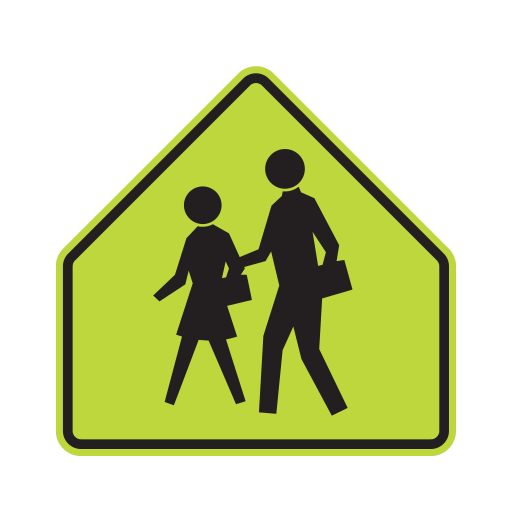
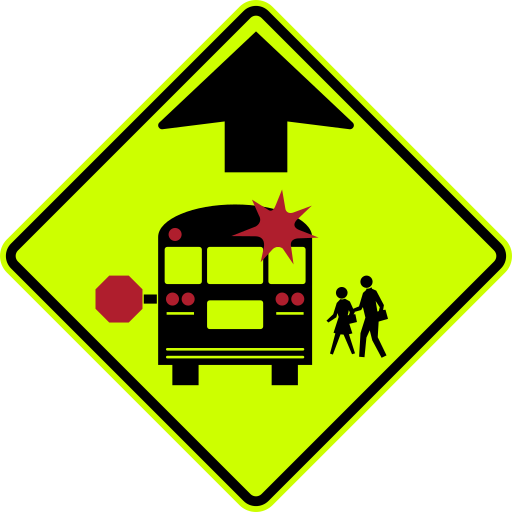
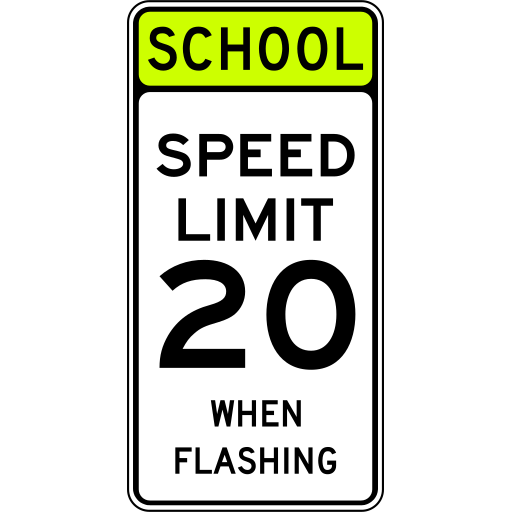
These signs mark school areas and school bus stops. Most are fluorescent yellow-green.
Railroad crossing signs
These signs mark places where railroad tracks cross the road.
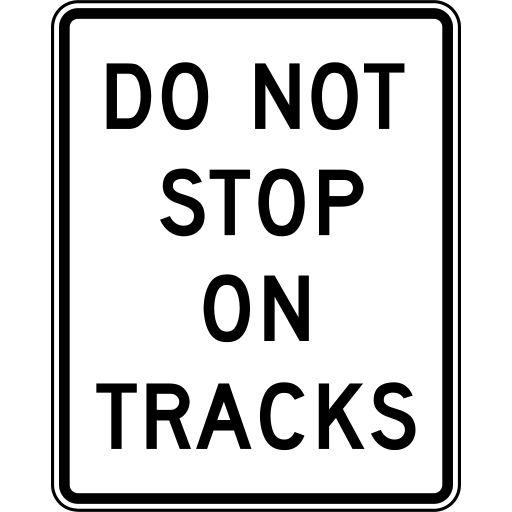 Do Not Stop on TracksDo not stop on the tracks. Wait until there is room for your vehicle past them.
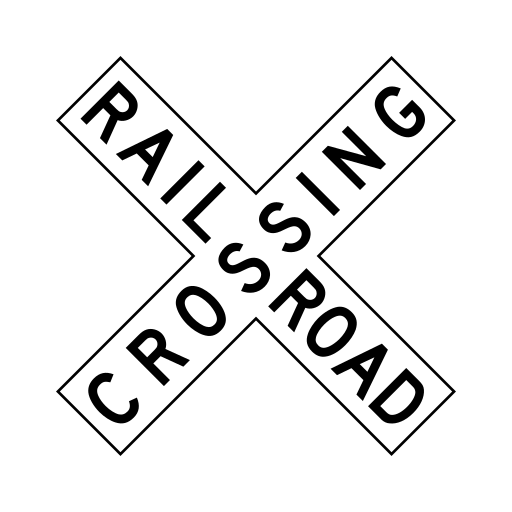 Railroad Crossing (Crossbuck)Railroad tracks cross the road here. Yield to trains.
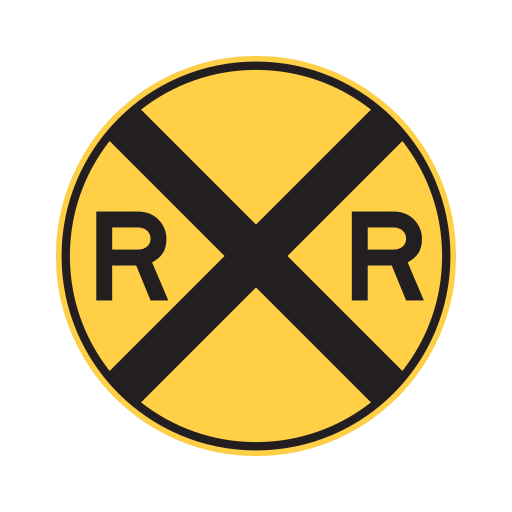 Railroad Crossing AheadA railroad crossing is ahead. Be ready to stop.
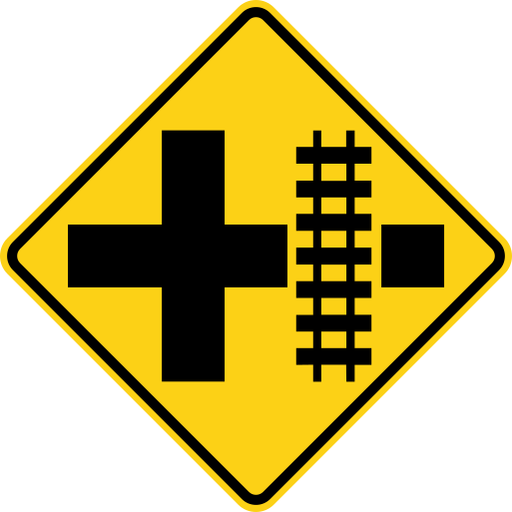 Railroad Crossing on a Cross RoadIf you turn toward the track symbol at the intersection ahead, you cross tracks soon after the turn.
Route and service signs
These signs show route numbers and services near the road.
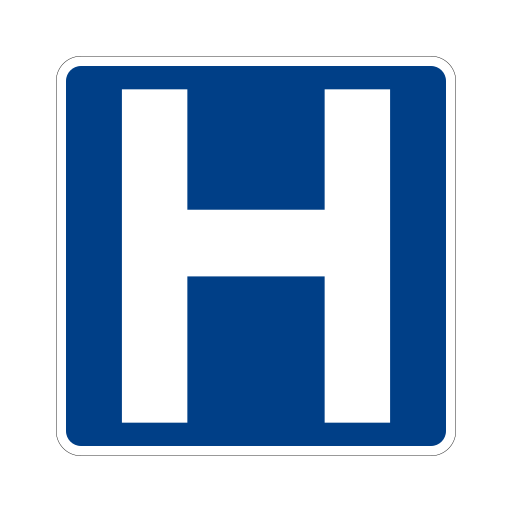 HospitalThis road leads to a hospital.
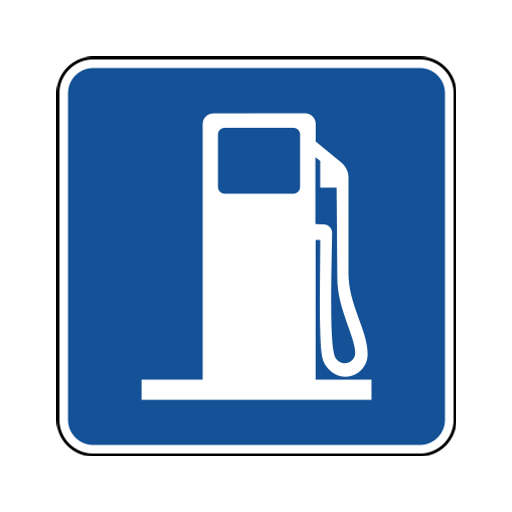 GasGas is available near this road.
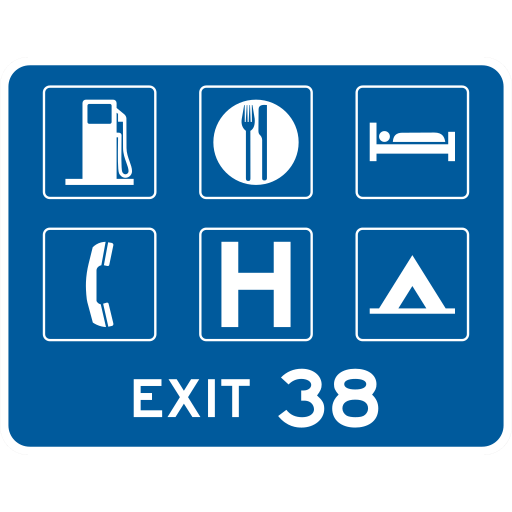 General Services at an ExitGas, food, lodging and other services are available at this exit.
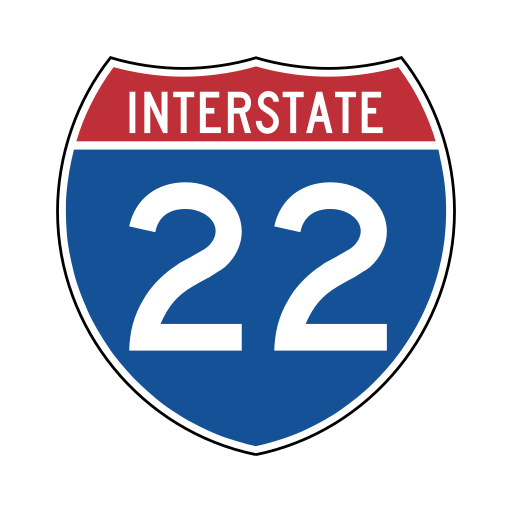 Interstate RouteThis shield marks an Interstate highway and its route number.
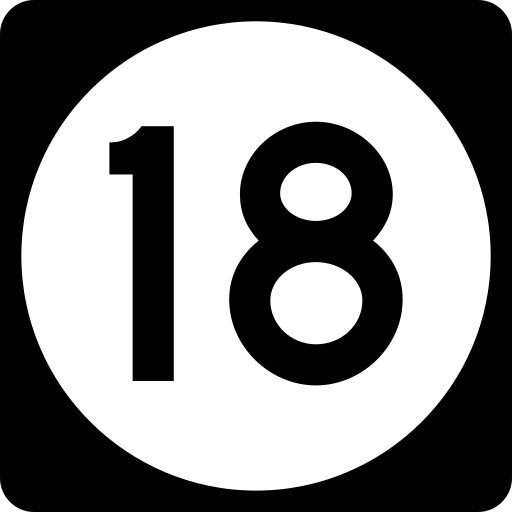 State RouteThis sign marks a state highway and its route number. Each state designs its own sign.
Practice for your state's knowledge test
Each state practice test has these signs and the road rules of that state.
Choose your stateSource: Manual on Uniform Traffic Control Devices (MUTCD), 11th Edition with Revision 1, Federal Highway Administration. The sign pictures show the official MUTCD designs of the Federal Highway Administration, U.S. Department of Transportation (public domain).